Texas stops data center permits and ends automated approvals
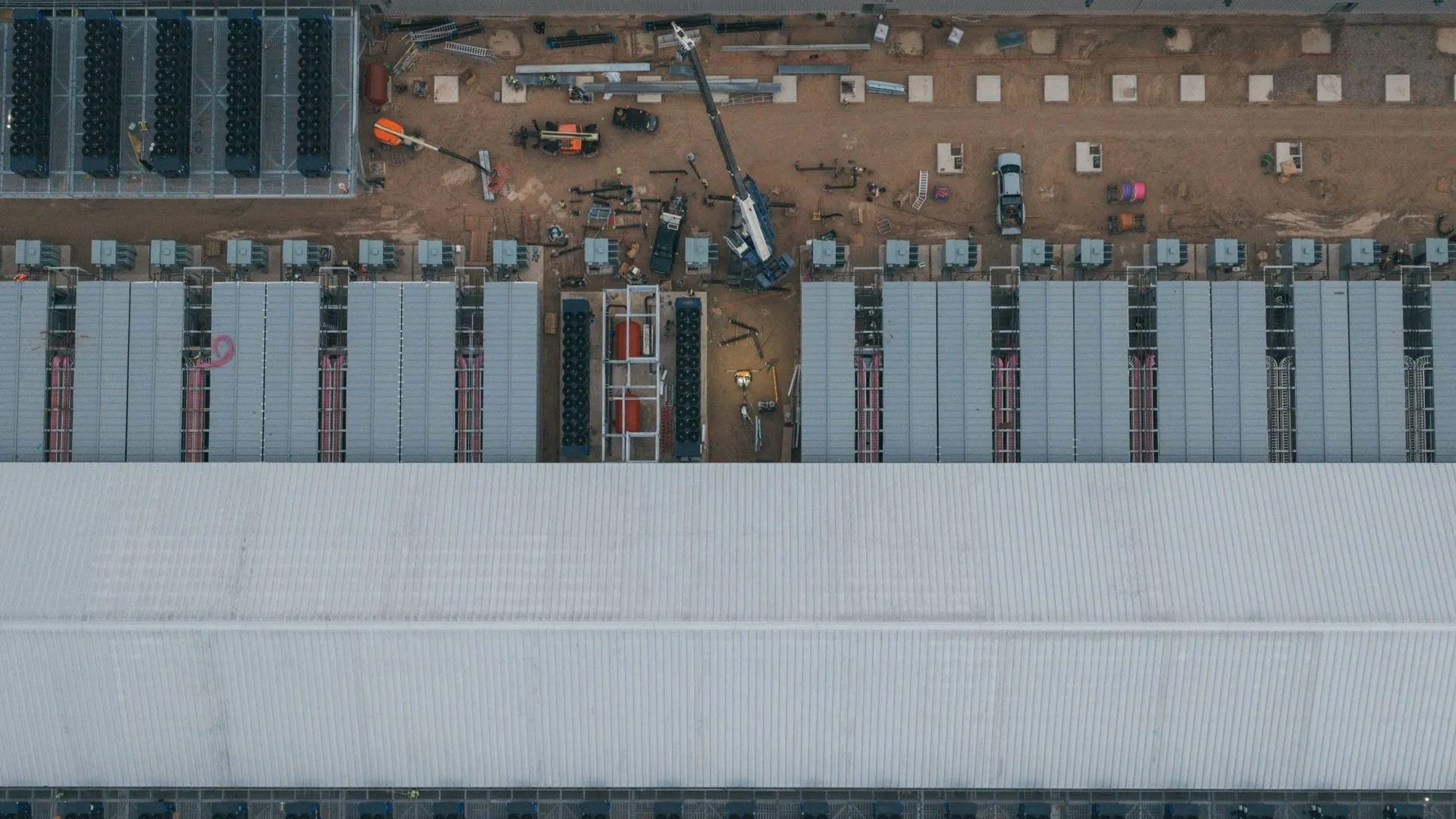
The race to build the next generation of digital infrastructure is running hot, but sometimes the speed of progress outpaces the process of accountability. That tension is currently boiling over in Texas, where the state has hit the pause button on a significant number of data center construction projects.
Governor Greg Abbott initiated a halt on construction permits for 17 data center projects, signaling a major shift in how the state approaches large-scale development. This action was accompanied by a move to scrutinize the underlying processes, revealing a systemic gap in how these massive facilities are approved.
The core issue lay in the automated system designed to streamline approvals. The state’s electronic filing application, which previously served as the mechanism to rubber-stamp these authorizations, was temporarily shut down. This move ensured that every application is now subject to a thorough review by agency staff to determine if the projects align with the state’s priorities.
While the goal was to ensure due diligence, the fact remains that the automated system, known as STEERS, continued to approve new projects, including those for major tech players like OpenAI and Amazon, despite the governor’s calls for a moratorium. This exposed a frustrating disconnect: development was moving forward while the necessary oversight mechanisms were offline.
These suspended permits primarily concern stormwater construction—the vital process of raising and leveling the ground for these massive facilities. It is a necessary part of the approval cycle for any major construction, yet the process that oversees it failed to flag these projects for deeper scrutiny.
The push to pause development stems from serious public concerns regarding the environmental and social footprint of this infrastructure boom. Questions surrounding power usage, water consumption, and the inevitable impact on local communities have become increasingly critical as data center demands soar.
This debate isn’t unique to Texas. It reflects a broader national pivot. The state’s actions echo a growing trend where communities and officials are demanding a more careful assessment of the massive energy demands and environmental costs tied to the Artificial Intelligence revolution.
The broader context shows that while the promise of AI infrastructure drives massive investment, the reality involves serious trade-offs. Concerns about resource strain—from water shortages to deforestation—and the escalating cost of energy are forcing a necessary reckoning between technological ambition and local well-being. The story of Texas is part of a larger narrative where the demand for global dominance through AI must be balanced against the necessity of protecting local safety and quality of life.
Buy on Amazon
Credit
