The AI mic everyone waited a decade for
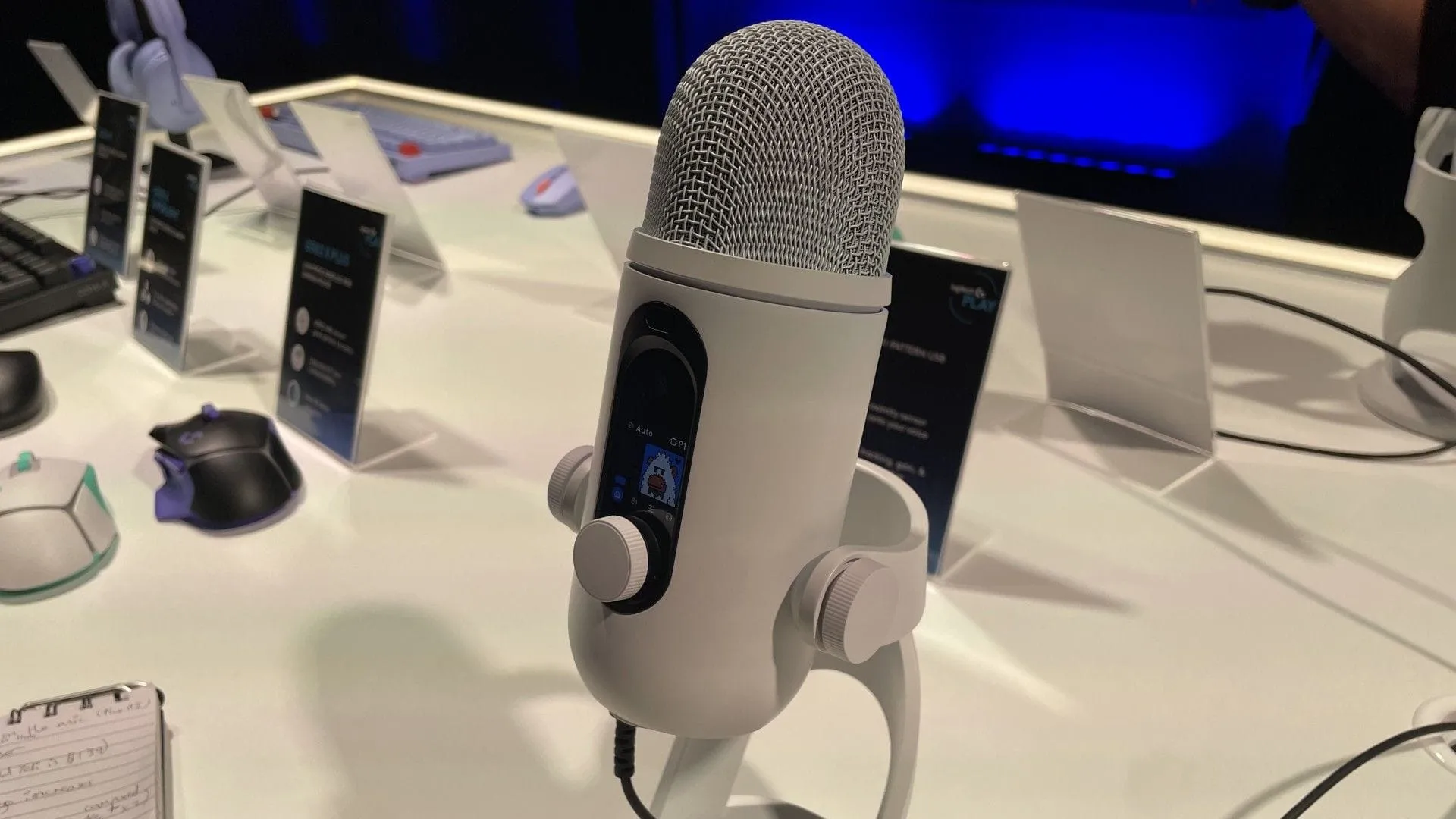
For many of us who grew up in the world of streaming and content creation, the Blue Yeti wasn’t just a microphone; it was an icon. It was the sound of countless tutorials, late-night streams, and the quintessential piece of gear for capturing the voice of a creator. While some were drawn to the raw, minimalist aesthetic of competitors, many followed the footsteps of the beloved Yeti, a legacy that Logitech has spent years honoring.
Logitech acquired Blue in 2018, and following that acquisition, the company didn’t just release an update—they fundamentally reimagined the device. Enter the Yeti 2, a microphone that doesn’t just capture sound, but learns it. This new iteration is packed with machine learning, transforming a classic piece of audio hardware into a genuinely intelligent device.
When I had the chance to test the Yeti 2 at Logitech’s G Play event in Warsaw, the immediate impression was striking. It maintained the familiar, recognizable form factor of the Yeti while introducing advanced features. It truly looked like a Yeti, smelled like a Yeti, and delivered sound quality that was excellent from the start. But the real innovation lies beneath the surface, in the integration of artificial intelligence.
The core of the Yeti 2‘s appeal is the combination of its OLED screen, extensive customization options, and its machine learning-aided voice following and noise reduction capabilities. This technology allows the microphone to adapt dynamically to the environment, making the recording process smoother and more intuitive.
One of the most fascinating features is the ML-aided voice following mode. The mic uses voice detection combined with head-detection to adjust its pickup direction based on where the speaker is positioned. Crucially, Logitech assures that this system operates without needing a camera or storing any personal facial data, offering privacy while delivering highly accurate spatial audio tracking. Seeing the cone of pickup move in real-time on the screen was a truly impressive demonstration of the technology in action.
Noise reduction is another standout feature. When testing the microphone in a typically noisy environment filled with background chatter, the noise reduction proved incredibly effective. Moving from zero reduction to level 1 eliminated most background noise, and level 2 managed to eliminate it entirely while ensuring the speaker’s voice remained rich and full. For those needing to manage distracting room noise, these settings offer a powerful solution.
The device also includes sophisticated clipping detection, displayed subtly through the on-screen Yeti character. Users can customize this visual feedback using pixel art to signal when they are speaking too loudly or too close to the microphone, adding an engaging layer of visual guidance to the audio experience.
While the price point remains in the high-end bracket at $160 or £140, the value proposition is undeniable. This is more than just an expensive microphone; it’s an advanced piece of audio hardware that embraces the future of sound capture. For those who value both classic design and cutting-edge intelligence, the Yeti 2 proves that we have certainly waited long enough for this evolution.
Credit
