The Nanomatte display makes me want a Surface Pro
The Display Wars: How Amazon’s Nano-Texture is Putting Pressure on Microsoft’s Hardware
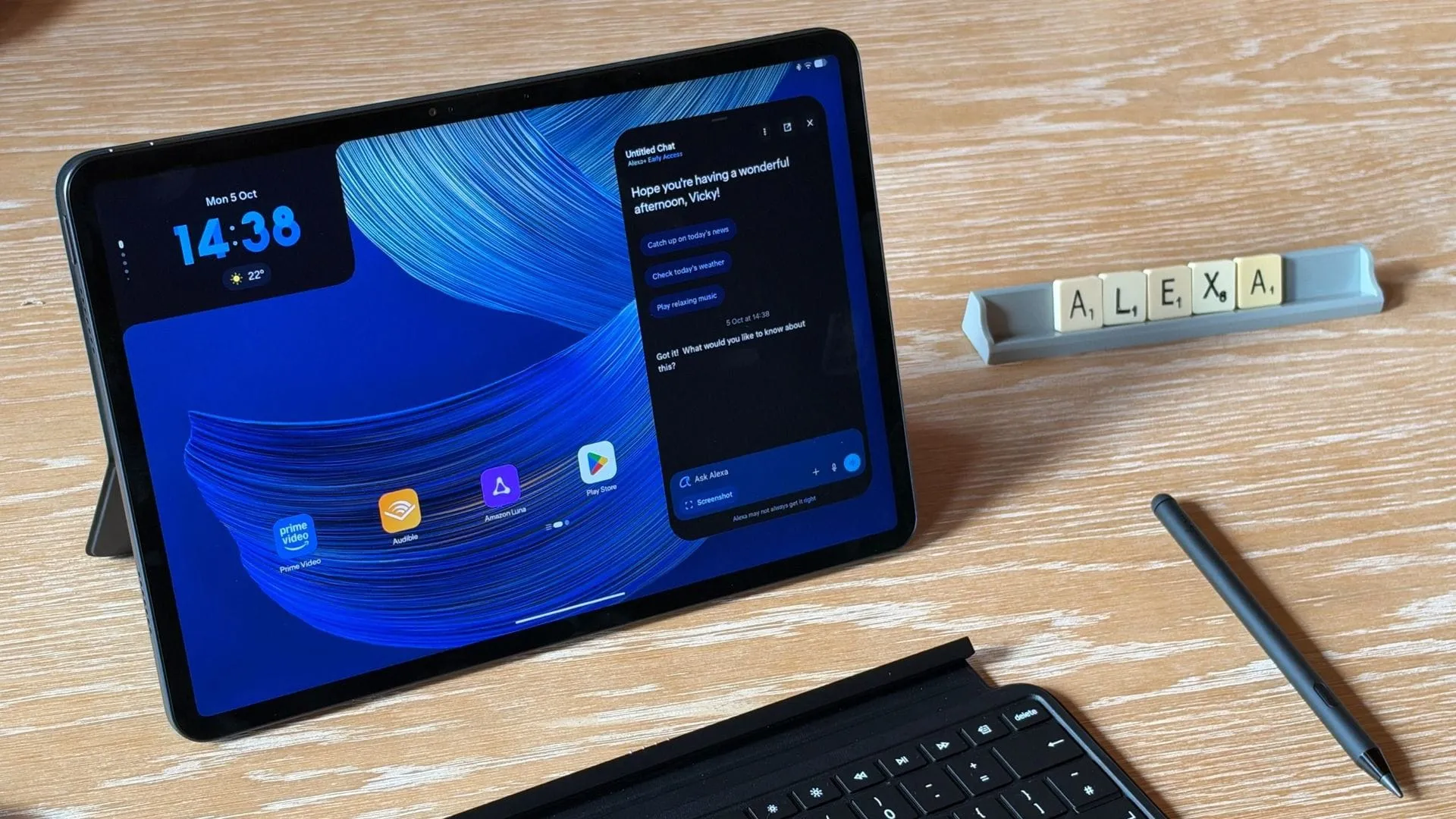
Last week, the tech world was buzzing as Microsoft hosted its Windows and Surface event, focusing squarely on the Surface Laptop Ultra. Amidst the anticipation of new hardware, a significant shake-up occurred when Panos Panay, a figure who once led Microsoft’s hardware division, announced a new venture with Amazon. Panay, now working for Amazon, unveiled a new line of Amazon Alexa tablets, bringing a fresh wave of innovation that sparked a fascinating comparison with Microsoft’s latest designs.
While the tablets are not direct competitors to the Surface Pro, they showcase a display technology that many observers find incredibly appealing. Specifically, the nanomatte screens featured on these new Amazon devices introduce a level of visual refinement that challenges traditional display expectations. These displays are engineered to etch with the pixels, offering a unique approach to light diffusion that results in a viewing experience praised for its cinematic contrast retention in bright settings.
The secret lies in the material science. Matte displays naturally reduce glare by scattering light across different directions, which is a technique that, while effective, can sometimes introduce a graininess. This is a common hurdle in display technology, whether you are looking at a cheap phone protector or a premium PC screen.
Amazon’s approach seems to leverage this matte principle through nanomatte technology, allowing the screen to manage reflections while maintaining astonishing detail. This is a technological leap that has the potential to redefine how we interact with bright environments.
This contrast highlights a subtle but persistent tension within the Surface ecosystem. Microsoft has often been resistant to adopting anti-glare displays, a feature that many felt was essential for improving the usability of Surface devices in well-lit spaces. This hesitation meant that users, even those shopping for the Surface Laptop 8, were often forced into difficult choices between anti-glare capability and connectivity options like 5G.
There was a strong call from some within the company, arguing that anti-reflective screens were necessary for Surface PCs. Anti-reflective screens, distinct from anti-glare options, aim to enhance visibility in bright conditions by minimizing glare directly. Yet, Microsoft has remained selective in fully embracing these features, holding back some of the potential of the Surface hardware.
The new Amazon tablets also incorporate an anti-glare texture that goes beyond simple glare reduction. This texture is designed to mimic the feel of writing on paper, making stylus usage feel more natural and tactile. It’s a design philosophy focused not just on visual clarity, but on the physical interaction with the device.
It is no surprise that a technology pioneered by someone who shaped the Surface brand is now being integrated into a major competitor. While the Alexa tablets run on Android and access the Google Play Store, they demonstrate a highly refined display experience that offers a glimpse into what future hardware could be. The question remains: will Microsoft eventually adopt this innovative approach to displays, integrating the nanomatte finish into devices like the Surface Pro to deliver a truly seamless and comfortable experience?
Buy on Amazon
Credit
