The Play Anywhere boom: Are Xbox games going mainstream
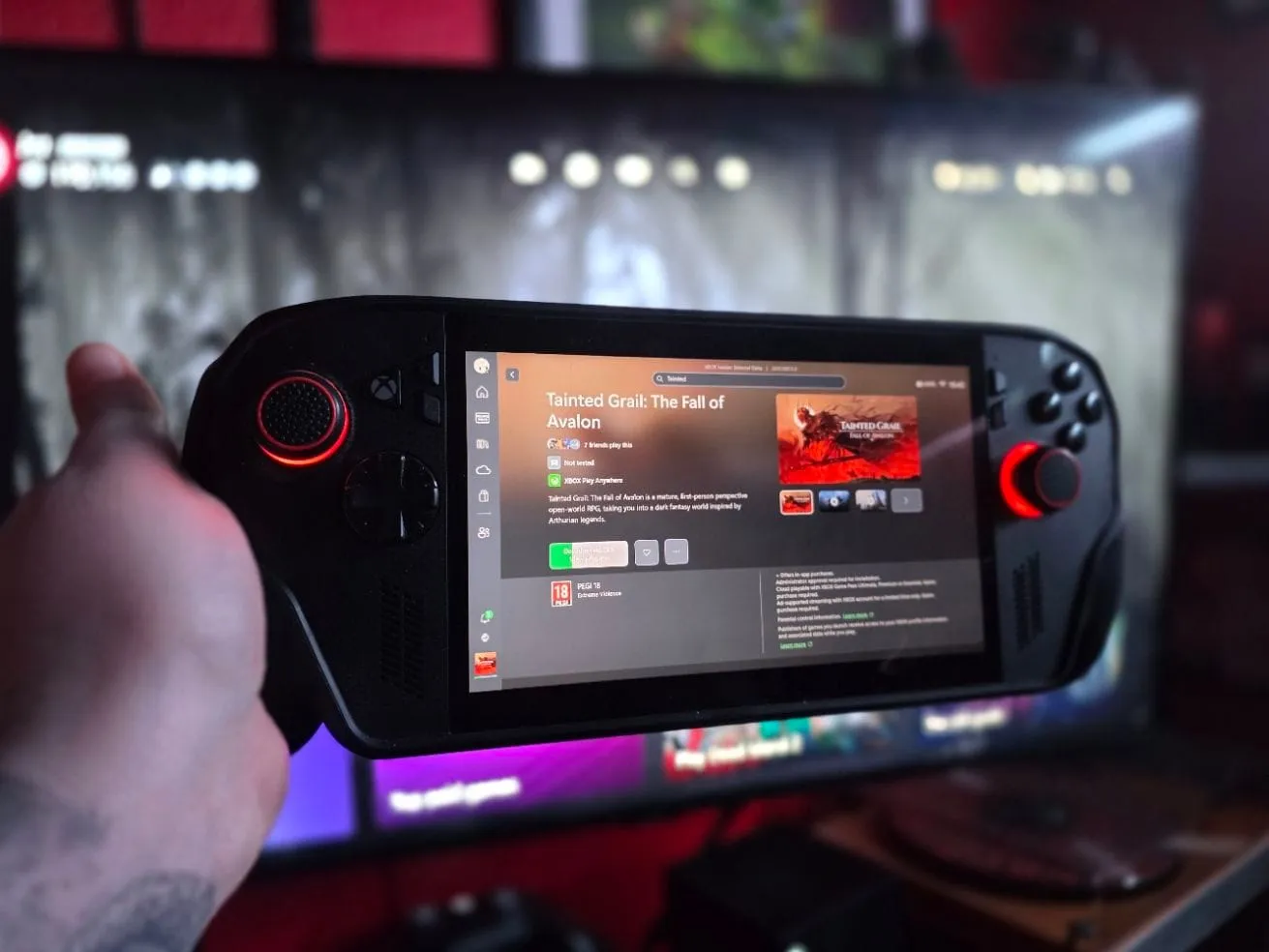
For many of us who dive deep into the gaming world, the Xbox ecosystem has always presented a peculiar paradox: it is one of the most enjoyable parts of the experience, yet simultaneously one of the most frustrating. This tension stems from a persistent issue—a lack of widespread adoption within the broader gaming landscape.
At the heart of this feeling is the concept of Xbox Play Anywhere. This feature, which allows players to own a single license that grants access to games across Xbox Cloud Gaming, Windows PCs, and gaming handhelds, sounds wonderfully convenient. Yet, for years, the idea of integrating third-party titles and retro games into this unified system seemed like a pipe dream.
Early on, the adoption rate was pretty anemic. While Microsoft’s first-party titles often joined the fold, many third-party developers seemed hesitant to embrace the concept, especially when it came to legacy games. The general mood suggested that supporting Xbox Play Anywhere required significant effort, and the idea of extending support to older titles felt almost unheard of.
That narrative shifted dramatically in 2026. This year marked a watershed moment where the barriers to entry effectively crumbled. Suddenly, games of all ages and sizes were being retroactively granted Xbox Play Anywhere support, proving that the ecosystem was ready for expansion.
Developers, long skeptical, began to roll out support with a steady cadence, often without requiring mandatory Game Pass integration. This strategic shift demonstrated that the focus moved from forced exclusivity to genuine platform expansion.
The results have been stunning. Major titles, including some AAA offerings, are now seamlessly integrated. Games like Baldur’s Gate 3 secured support, with developers noting it was simply a cool part of the ecosystem. Even older, more obscure titles have caught up, demonstrating that the barrier is no longer just about market size or historical precedent.
This surge in content is most visible in the deep cuts. Titles like Tainted Grail: Fall of Avalon, which many were hoping for, received certification, and even smaller indie hits like TCG Card Shop Simulator were suddenly playable across platforms. This expansion addresses the classic challenge of content gaps, showing that the Xbox approach has successfully overcome the historical hesitation that plagued other cross-platform initiatives.
The driving force behind this remarkable adoption seems to be the synergy between the software and hardware. The growing presence of devices like the Xbox Ally and Xbox Ally X has created a new demand for flexible, portable gaming experiences. When games are optimized to play flawlessly on these handheld systems, the appeal of a unified license becomes an undeniable no-brainer.
Microsoft’s commitment to improving the back-end systems has clearly paid off, facilitating a massive sprint of cross-platform support. The future of gaming isn’t just about exclusive titles; it’s about a fluid, interconnected universe where ownership unlocks limitless play, and the Xbox Play Anywhere framework has proven to be the key to unlocking that potential.
Buy on Amazon
Credit
