The warm glow of the RTX 5090 rumor
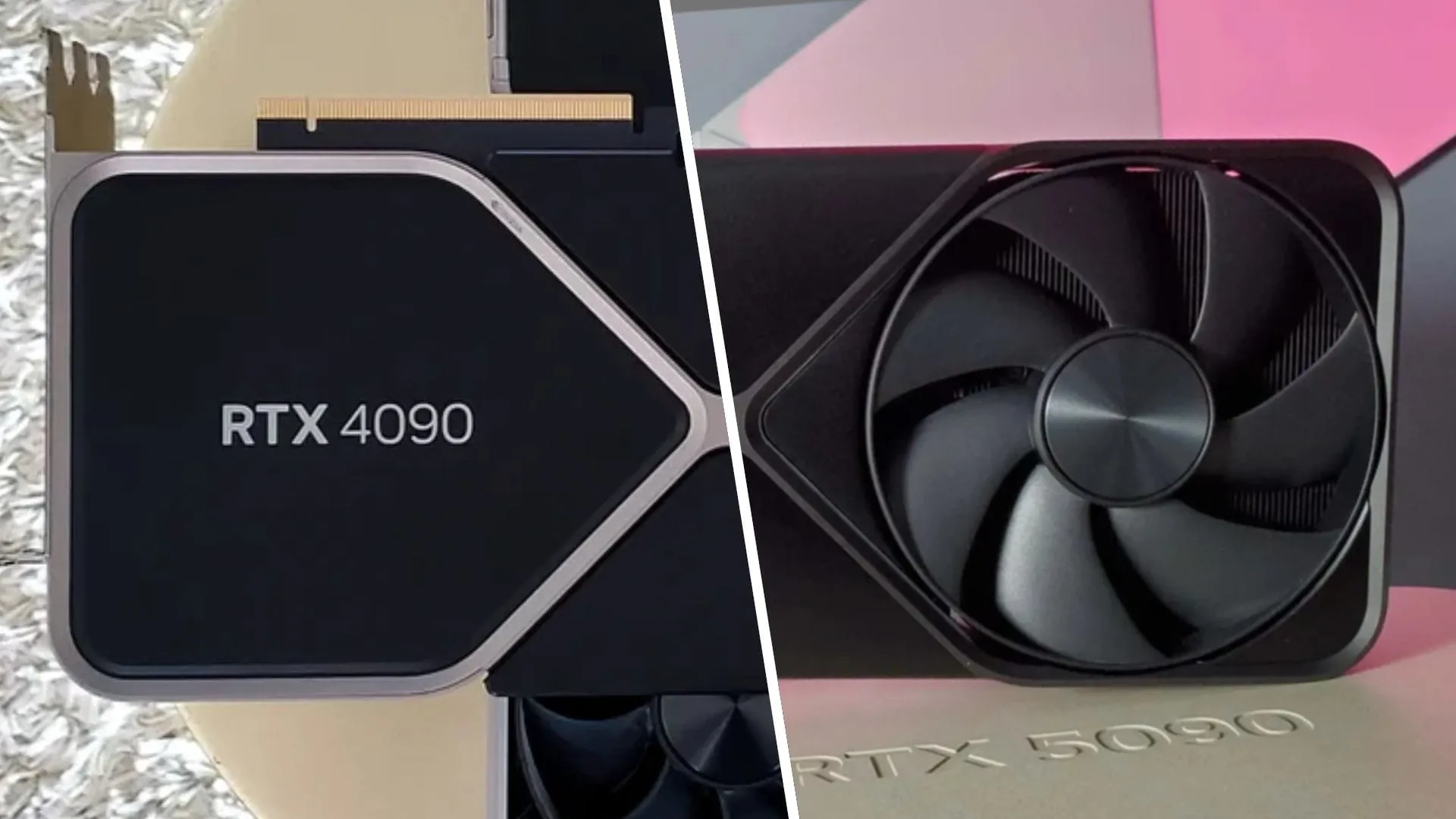
Join me in celebrating four years since the launch of the RTX 4090, Nvidia’s flagship graphics card from the previous generation, which debuted with an eye-watering MSRP of $1,499.
When we look back, that price tag felt extravagant. Today, the landscape of high-end graphics hardware has undergone a dramatic transformation. The price differential between the initial launch and current market realities is staggering, illustrating just how quickly the market has shifted.
The cost of entry has made us pause. For instance, the RTX 5080, the direct successor, currently sits around $1,640, immediately signaling a significant shift. When the second-from-top Nvidia card is now significantly more expensive than the previous generation’s launch price, it’s clear that the economic reality of the GPU market has fundamentally changed.
The chase for the next generation, specifically the RTX 5090, has become almost mythological. Tracking its availability is now nearly impossible; listings are priced at ludicrous levels from third-party sellers that we are not comfortable recommending. This scarcity fuels persistent rumors that Nvidia may have halted production of the RTX 5090 chips for the consumer market, reserving the GB202 silicon for data center and professional GPUs.
This pivot has raised compelling questions about where the industry’s focus lies. While the consumer market grapples with supply and pricing, the focus seems to be shifting toward AI and professional applications.
This environment forces us to appreciate the legacy of the 4090. Despite the current volatility, that card remains a powerful piece of hardware. With 24 GB of GDDR6X, 76.3 billion transistors, and impressive features like DLSS Frame Generation, it still delivers monstrous performance. Those who invested in it at the time did so with incredible power, and they continue to enjoy that grunt today.
The narrative surrounding the RTX 5090, however, remains more complex. Launched with a $1,999 MSRP, it has consistently struggled to balance raw performance against its price. Even though it outperforms the RTX 4090, the price-performance metrics have remained contentious for many gamers.
The debate over features like Multi-Frame Generation—which aims to multiply frame rates—continues to spark controversy. While it boosts frame rates considerably, it has ignited the ongoing discussion about “fake frames” and the true meaning of performance enhancement.
Ultimately, the history of the RTX 4090 may reflect a shift in priorities. Perhaps it was the last halo GPU that felt reasonable for the average consumer. As the overall state of graphics card pricing in 2026 has thrown traditional metrics into disarray, the focus is increasingly moving toward futureproofing, and perhaps toward the future lies in specialized neural rendering rather than just raw brute force.
So, as we raise a glass to the RTX 4090, let us acknowledge its place in history while accepting that the future of high-end computing is less about raw power and more about navigating an increasingly complex economic and technological landscape.
Credit
