This childhood MMO is still running after 23 years
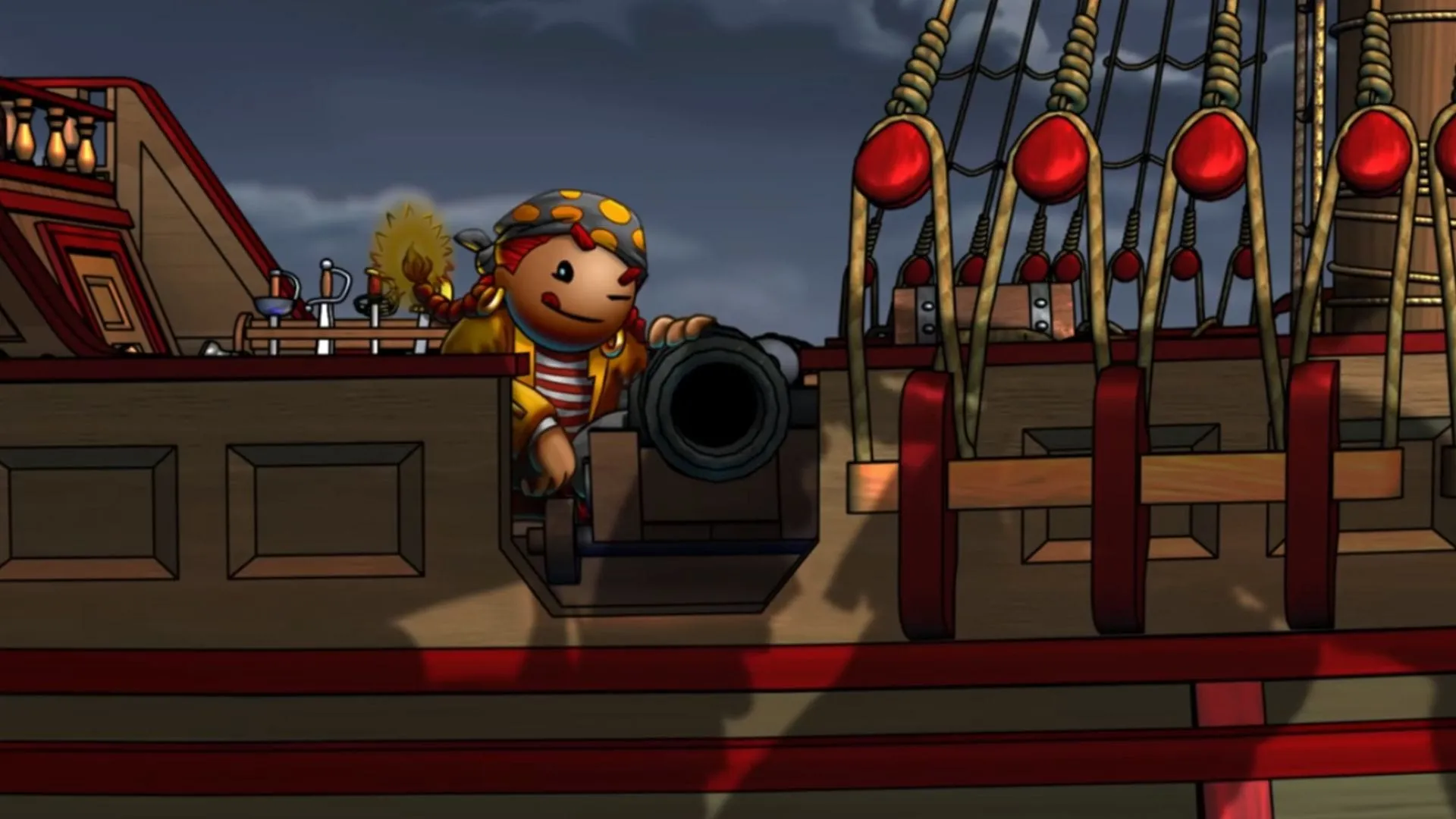
Growing up in the 2000s, my gaming experience was defined by a particular kind of digital bargain hunting. There was little money, but there was an abundance of free-to-play, browser-based games that permeated the internet. These were the Flash and Java adventures that filled those early digital hours, a revolving door of mid-tier titles that often faded into memory.
Some of those games are now just fleeting memories, but others linger. They offer a strange reminder of a simpler time, a time before the endless demands of modern gaming ecosystems.
This reflection led me to ask a bigger question: where did all those quirky, wonderful games go? Are they still floating across the web, untouched, or have they evolved into something far more complex and darker than their childhood selves?
As I navigate my thirties, I’ve started checking in on some of those forgotten digital relics. One such journey led me to a peculiar maritime MMO called Puzzle Pirates.
Puzzle Pirates is a game built on an incredibly charming premise: you are a pirate, and every facet of ship operation—from bilging to sailing—is managed through ingenious puzzles. It blends familiar mechanics, using elements inspired by classics like Bejeweled for bilging and Doctor Mario for sailing, creating a uniquely nautical experience.
When I finally found the game, I was pleasantly surprised. Despite the passage of time, Puzzle Pirates is still official and available on Steam. It’s a digital ghost from my childhood, still drifting along the ocean slowly but surely.
Reliving the experience, I discovered that the core puzzle mechanics remain surprisingly intact, even if the overall ecosystem has shifted. Tasks like carpentry and rigging still hold up, demonstrating that the simple logic of the puzzles endures.
However, the modern iteration of the game has certainly changed its presentation. The world of Puzzle Pirates is now gated behind a system of premium currency and subscriptions, a stark contrast to the free-for-all access of the past. This shift, while frustrating, creates a peculiar sense of déjà vu.
It’s a curious thing to see this niche MMO still existing. It remains a digital relic, a slow-moving vessel on the vast ocean of modern gaming, a testament to the enduring appeal of niche creativity.
Buy on Amazon
Credit
