This studio made the killer games that sold Xbox
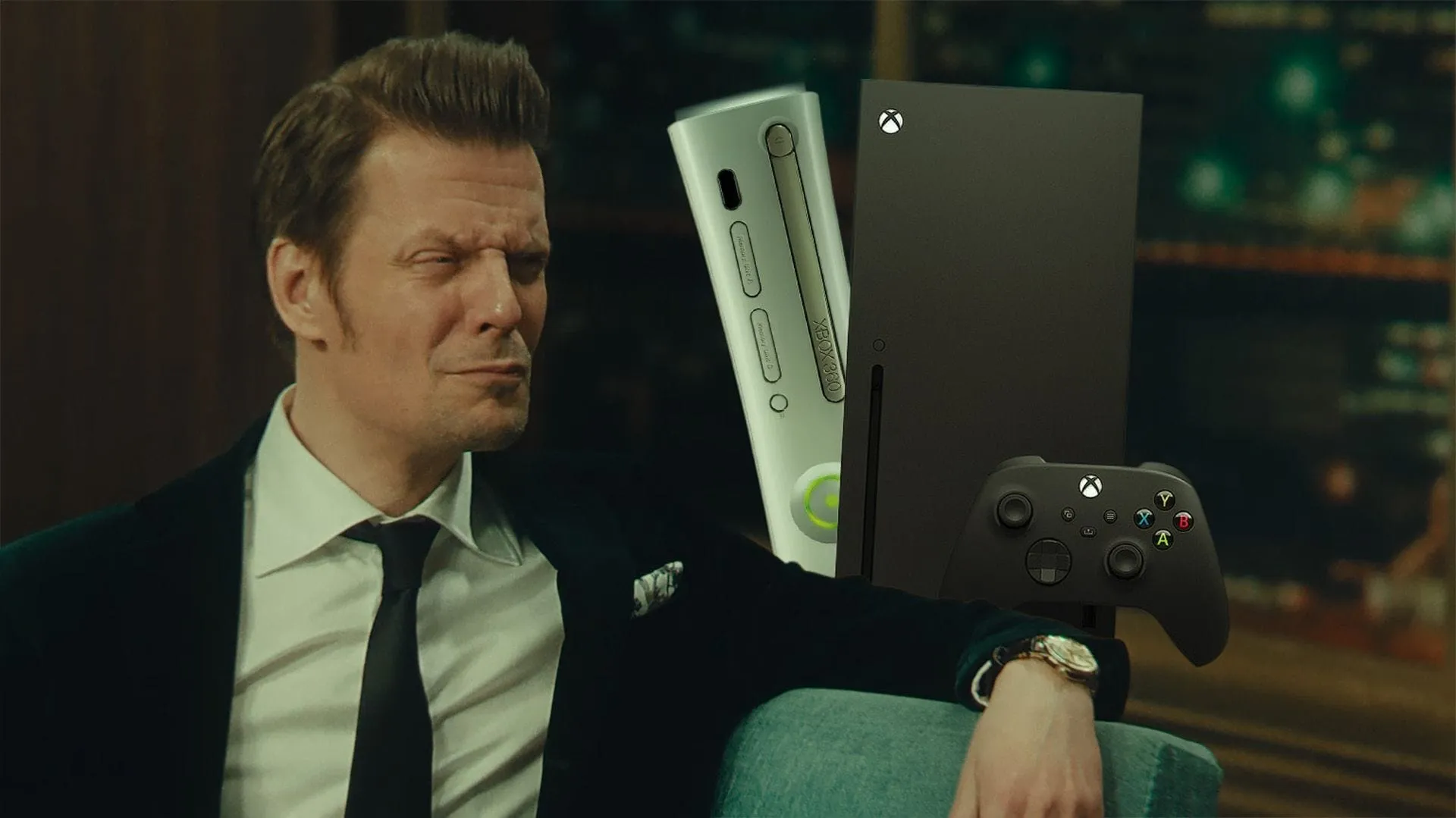
I started my gaming journey with SEGA and Sony, but it was the arrival of the Xbox that truly changed the landscape. While the console provided the platform, it was a specific studio that delivered the experience that captivated me: Remedy Entertainment. They became the benchmark for cinematic gameplay, proving that narrative depth and visceral action could coexist perfectly on a console.
My formative gaming years were marked by a fascination with the transition from old-school action to modern, story-driven shooters. This obsession led me to gravitate toward the fast-paced, stylish world of titles like Max Payne, which blended slow-motion gunfighting with a compelling, noir-esque atmosphere. This appreciation quickly cemented Remedy’s place alongside gaming titans like Rockstar Games and Valve.
As I moved into the Xbox 360″>XBOX 360 era, the next chapter in this cinematic adventure began with Alan Wake>. Mechanically, the game offered a familiar third-person shooter structure, but it infused the experience with a compelling exploration of light and shadow. It skillfully leveraged the action-thriller format, forcing players to use light sources to navigate darkness and dispatch enemies, creating a dynamic interplay between combat and atmosphere. This game refined the action-shooter formula, demonstrating that visual storytelling could be as powerful as gameplay mechanics.
The influence continued as the Xbox evolved into the Xbox One> generation. Titles like Quantum Break> took this momentum, pushing the boundaries of time-bending mechanics within an engaging, live-action cinematic framework. This demonstrated Remedy’s ability to marry complex physics with accessible, high-octane action. Quantum Break> offered visually stunning sequences and clever combat systems that made manipulating time feel both epic and incredibly satisfying.
The trajectory culminated with the Xbox Series X> and the arrival of Alan Wake 2>. This sequel didn’t just follow the formula; it accelerated it. Alan Wake 2> is pure Remedy brilliance, running at maximum speed with a deeply layered narrative, gorgeous visuals, and an abundance of self-aware references. It transformed the original concept into an even more warped and unforgettable adventure. While the experience included some narrative detours that demanded re-examination, the overall result was a masterpiece of design and storytelling.
The legacy of these titles is profound: they established a high bar for cinematic gaming. While the hardware and console wars continue, the focus remains on the quality of the experience. Looking ahead, discussions around the future of Xbox—including the rumored Project Helix> codename and the push for a XBOX-PC hybrid>—suggest that the focus will remain on leveraging development tools. Ultimately, the success of these games proves that the future of gaming lies in pushing the boundaries of narrative and visual spectacle, regardless of the hardware they run on.
Buy on Amazon
Credit
