Tim Sweeney claims Valve held gaming back for years
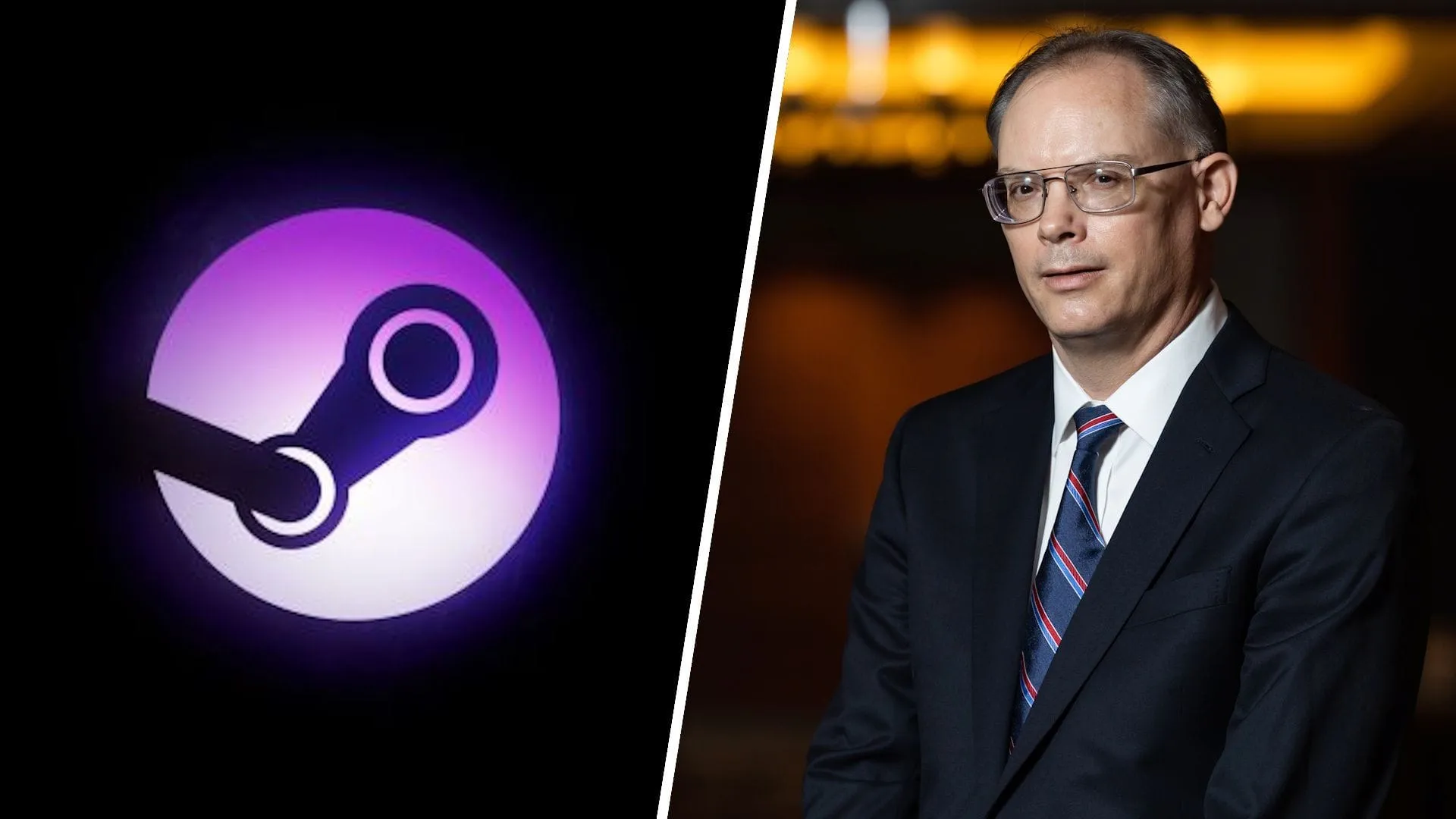
The digital distribution landscape is a battleground, and while the massive success of Steam remains undeniable, the platform that powers it is increasingly facing sharp criticism over its grip on the gaming ecosystem. At the heart of this friction is a long-standing debate about developer freedom versus platform dominance, led by high-profile comments from industry titans.
Epic Games CEO Tim Sweeney recently ignited this conversation, asserting that Valve’s online storefront has held gaming back for years by tethering developers into the Steamworks system. This bold claim emerged amidst ongoing discussions questioning the financial and structural implications of platform dependency.
The debate was fueled by developers who argue that creators should have the freedom to build their own distribution solutions. One voice, a former Epic principal animation programmer, pointed out that developers could easily create alternative distribution channels in a single week, suggesting that the industry desperately needed a platform that allowed creators to retain their revenue.
This push for autonomy is rooted in the perceived imbalance of power. Developers contend that while Steam is tremendously successful, the mandatory structure—including the platform’s substantial cut from game sales—creates an unnecessary hurdle. They argue that if developers could keep their earnings, the result would be a greater selection of quality games and more financial success stories across the board.
When challenged on the viability of these alternatives, the response from the corporate side focused heavily on network effects. The argument posits that the sheer scale and dominance of Steam justify its structure. The platform, it is argued, benefits the entire ecosystem, including indie gaming, by providing an unparalleled distribution channel over the past two decades.
Sweeney’s perspective further complicated the discussion by addressing the role of Steamworks in social interaction. He acknowledged that while the system is dominant, he maintained that it does not restrict players from communicating across different platforms. He also countered claims about social restrictions, suggesting that features like Steam Datagram relay are unrelated to the core issue of cross-platform social engagement.
Despite these defenses, the core tension remains. The disagreement highlights a fundamental question about the future of game distribution: should the massive success of a dominant platform necessitate restrictive contracts for creators, or should the industry pivot toward a model that prioritizes developer autonomy and financial freedom?
As the industry evolves—particularly with the rise of AI-centric tools—the lines between platform control and developer choice will only become sharper. The conversation around Steamworks is not just about revenue splits; it is about defining the power dynamics in the creative economy of gaming.
Buy on Amazon
Credit
