Toem 2 review The sequel isn’t memorable
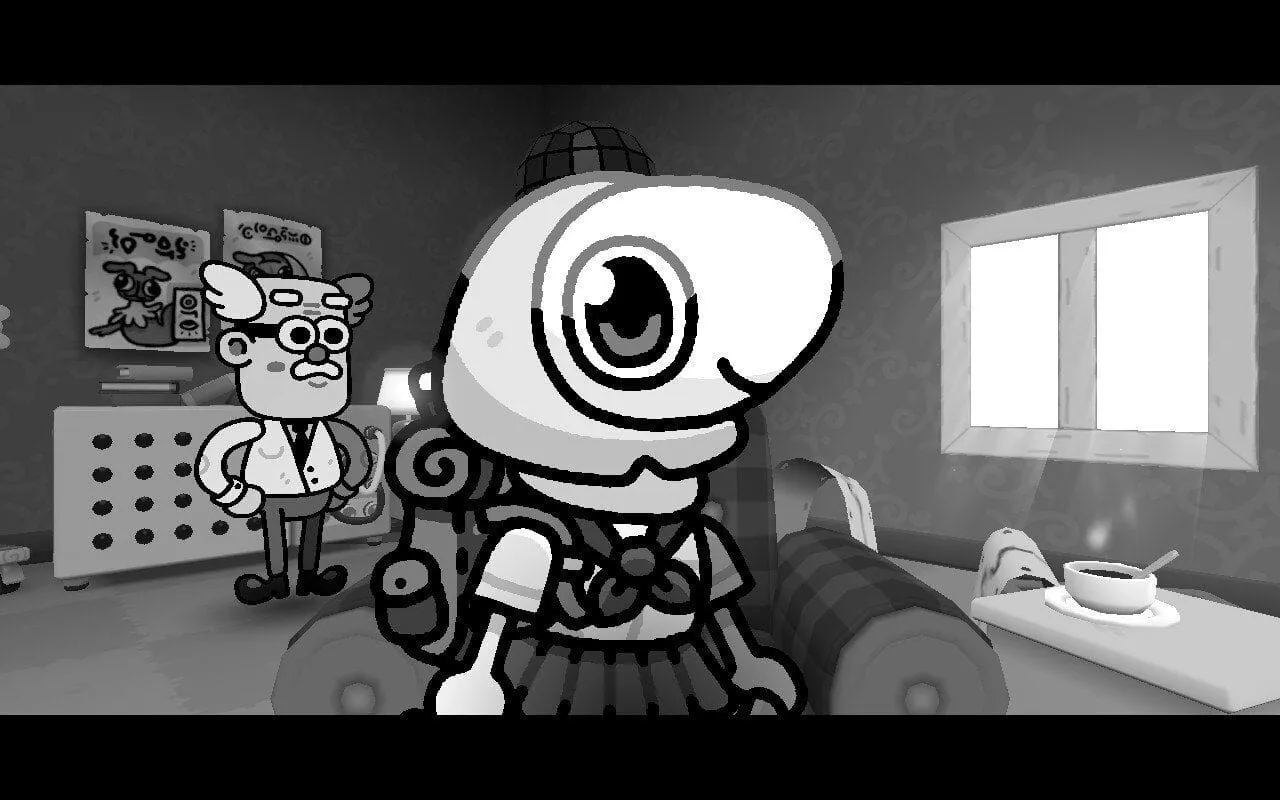
Adventure games are typically defined by their intricate puzzles and the sharp, electrifying sense of discovery. But what happens when the solution isn’t a piece of logic, but a perfectly timed snapshot? In Toem 2 turns the traditional quest into a delightful photographic scavenger hunt, proving that sometimes the best way to solve a mystery is to simply take a picture.
The premise is simple: you are on a bus journey, tasked with following grandma to find the elusive blooming of the whirling birch tree. To get to the next stop, you must complete quests in each town. And how do you complete them? By wielding your surprisingly versatile multi-attachment camera to photograph the people and objects needing assistance.
In each locale, you interact with the locals, finding them in need of photographic aid. Whether you are capturing the hiding spots of runaway garden gnomes, sourcing inspirational pics for creative non-pots, or gathering proof for a trio of dandelions, the world of Toem 2 demands a creative, visual approach to solving problems.
Beyond these whimsical photo opportunities, the game offers more traditional adventure tasks, like guiding a scaredy cat scarecrow to a new perch or finding a potion for a knight with a serious boo-boo. The system is designed to encourage players to engage with the environment and the community, collecting stamps as you go.
The camera itself is more than just a tool for capturing memories. Each attachment comes with a practical, non-camera function—the first attachment, for instance, functions as a pair of scissors when aimed and pressed. This adds a layer of unexpected utility to the gameplay.
However, as the adventure progresses, the game shifts focus. Unlike the original, where true adventure game magic came from deep, creative riddle-solving—where you see a problem, imagine multiple solutions, and find the clever connection—Toem 2 offers more straightforward objectives.
The quest structure becomes streamlined, presenting clear, immediate goals instead of complex, layered puzzles. Instead of needing to think creatively to crack a riddle, players are guided toward the next obvious use of their camera ability. It’s a quick and sweet journey, full of charm and visual fun, but it trades the satisfying feeling of intellectual deduction for the simple pleasure of snapping the perfect shot.
Buy on Amazon
Credit
