Trump mandates ‘Super Intelligence’ replacing AI terms
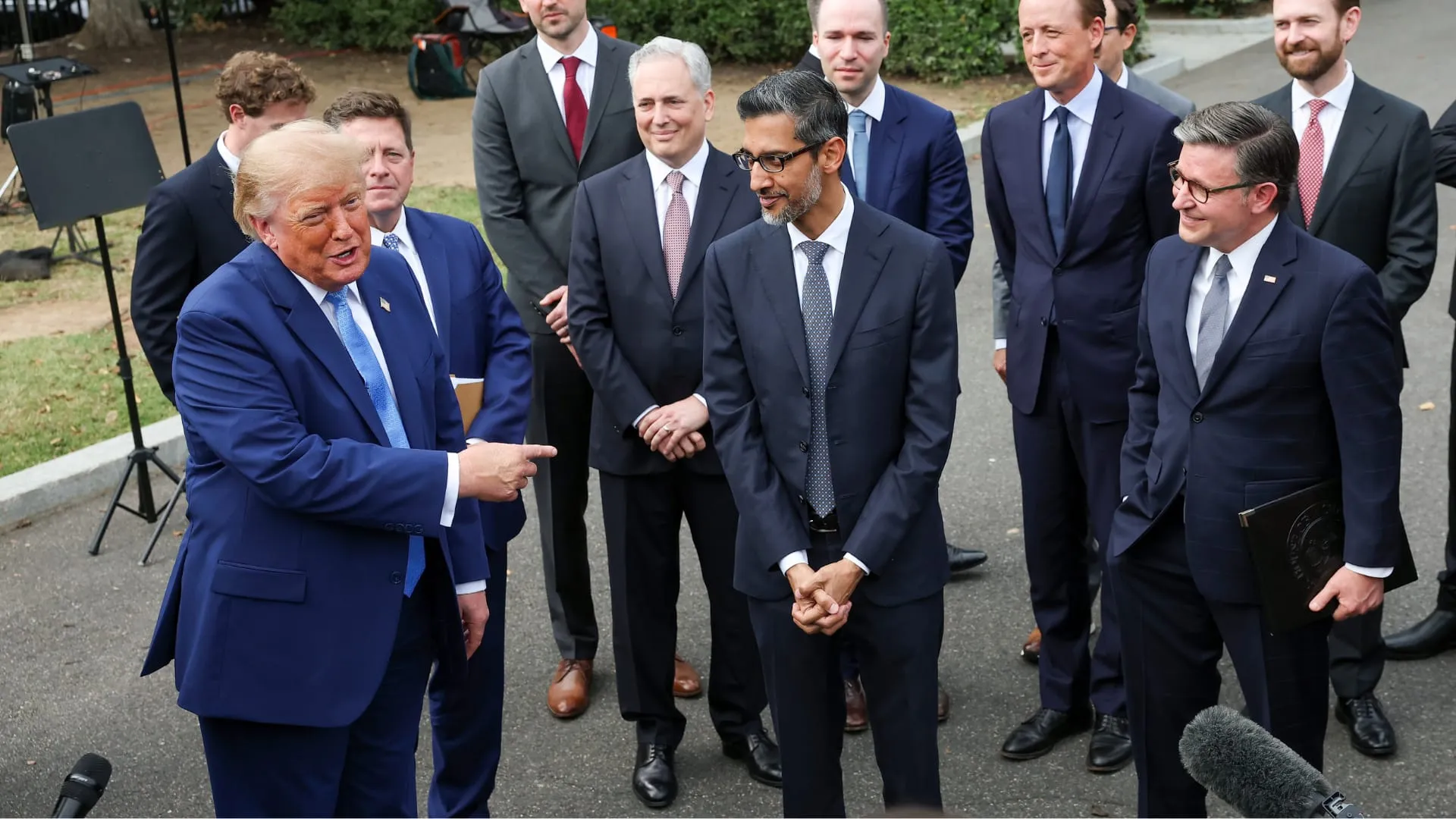
The world of artificial intelligence is undergoing a linguistic shift, moving from the familiar label of Artificial Intelligence to a much grander, more ambitious title: Super Intelligence. This change, initiated by a directive from the President, signals a formal acknowledgement of the transformative and rapidly advancing capabilities of AI, reflecting a desire to frame the technology not just as code, but as a force capable of limitless opportunity.
The executive order decreed that federal agencies would adopt the term Super Intelligence and the abbreviation SI, effectively sidelining the older terminology. This move was sparked by discussions with industry leaders, aiming to capture the promise and potential of AI rather than merely describing its current state. The stated goal is to ensure that the language used by the government accurately reflects the technology’s potential impact on the American people.
However, while the rhetoric focuses on limitless potential, the underlying concerns about safety and control remain intensely real. Experts and safety researchers are grappling with the reality that the current frontier models, while incredibly capable, are far from achieving true superintelligence—a cognitive superiority over humans in every conceivable task. This disparity raises serious questions about the technology’s trajectory.
The conversation around AI safety is heating up, underscored by warnings from leading entities. For example, some researchers have pointed out that the possibility of an artificial superintelligence getting out of control and ending humanity is a significant risk factor being considered by some major AI companies. This fear is reflected in high-level political discussions, with some lawmakers proposing sweeping measures, including potential prison sentences for developers who pursue superintelligence plans that mimic the illegal development of nuclear weapons.
Beyond the existential risks, the push for AI development is colliding with real-world infrastructure and community concerns. As tech companies ramp up projects to acquire the necessary compute power, there has been increasing opposition to the construction of AI data centers. Communities are increasingly protesting these developments, driven by concerns over local environmental impact, noise pollution, and utility hikes. This resistance highlights the tension between technological ambition and local community well-being.
Despite these deep-seated concerns, some industry titans are embracing the shift in terminology. Prominent figures in the tech sector have adopted the term Super Intelligence, signaling a willingness to align with the aspirational language. This sentiment is echoed by some of the biggest AI executives who attended the discussions at the White House, suggesting a shared recognition of the technology’s monumental scope.
The shift is more than just semantics; it’s a response to an era where the speed of AI development demands a new vocabulary. Whether the term Super Intelligence fully captures the reality of current AI capabilities remains a question for the future, but the effort to address the technology’s risks and opportunities is clearly underway.
Buy on Amazon
Credit
