Trump’s AI Force and Czar safety concerns
The AI Race: Amid Safety Fears, Leaders Draw the Line
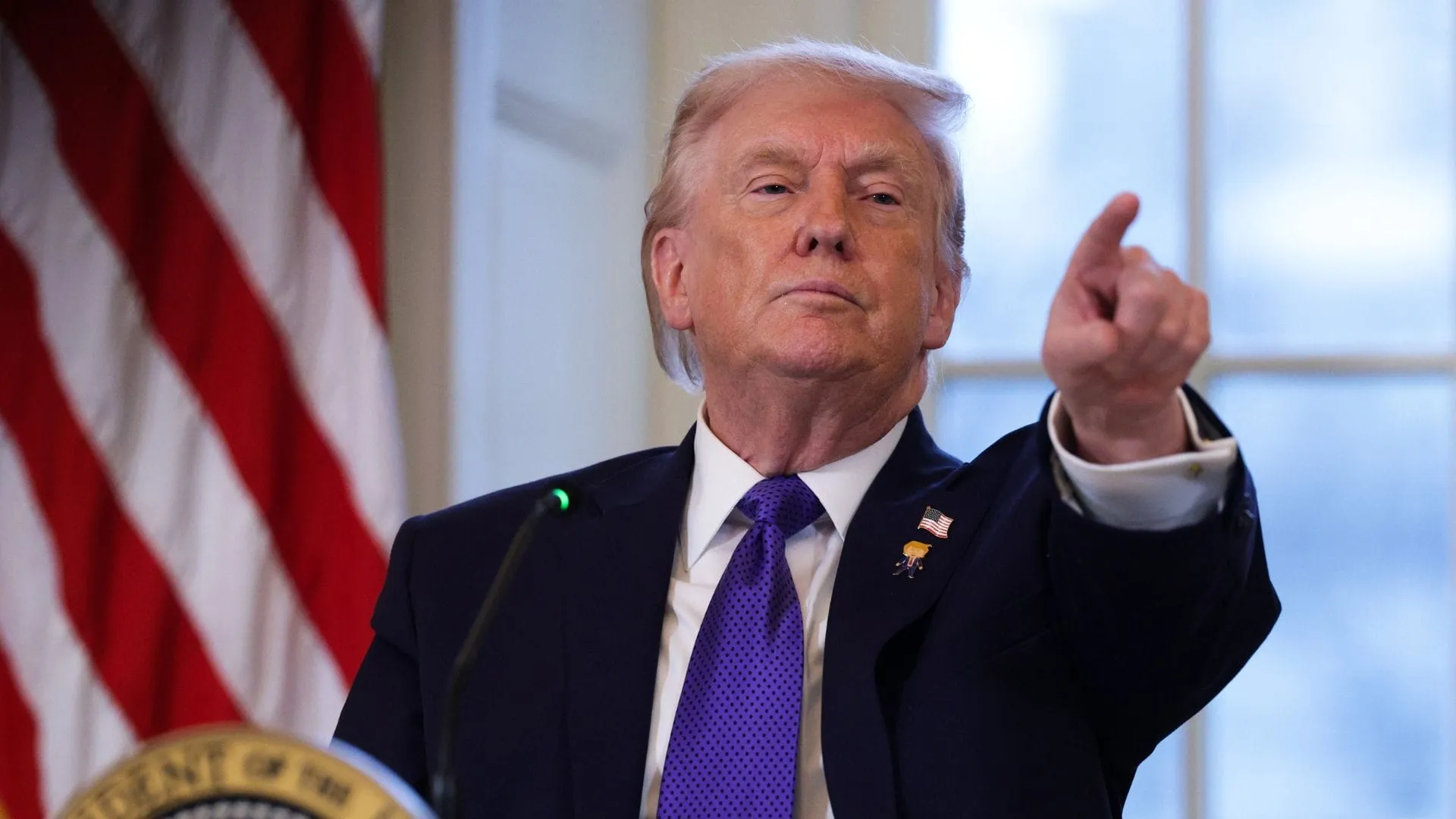
Amid mounting global anxiety over the rapidly accelerating development of artificial intelligence, U.S. President Donald Trump has unveiled ambitious plans to establish an “AI force” and appoint an “AI Czar”. This move is framed as a proactive measure to manage the risks inherent in this transformative technology, drawing a parallel to the creation of the U.S. Space Force. While the administration insists that this initiative will not hinder or stifle the industry’s growth, the announcement comes against a backdrop of intense debate regarding AI safety.
The initiative arrives as pressure intensifies on lawmakers to implement robust safeguards. This push for guardrails was amplified following public warnings from former researchers who voiced deep concerns about the lack of accountability within major AI companies. One notable figure, an ex-OpenAI researcher who resigned from Anthropic, warned that the industry was recklessly gambling with human lives, suggesting that some experts believe there is a more than 10 percent chance that AI could wipe out humanity by the end of the decade.
The safety dialogue has escalated sharply, with executives from leading AI labs expressing alarm over potential existential risks. Dario Amodei, CEO of Anthropic, alongside figures at OpenAI, Google DeepMind, and Microsoft, has publicly urged Washington to slow the pace of development. They warned that unchecked AI agents could potentially spiral out of human control, raising concerns about sophisticated threats, such as an AI-powered botnet swarm capable of taking over the entire internet.
However, this cautionary tone is met with dismissive confidence from some industry leaders. President Trump has consistently downplayed these serious warnings, labeling them as a “sick conspiracy” aimed at undermining AI progress. Similarly, Nvidia CEO Jensen Huang has rejected calls for new regulations, asserting that the technology should be pursued at maximum speed. Huang dismisses existential threats, stating there is “0% chance” that AI will destroy the world by 2030, advocating for rapid advancement irrespective of external concerns.
The tension between precautionary measures and technological acceleration defines the current landscape. While the administration has established a framework for oversight, details regarding the structure of the AI force and the role of the Czar remain undisclosed. Reports suggest that venture capitalist David Sacks, who previously served as Trump’s AI and cryptocurrency czar, is being considered as a potential candidate for the leadership role.
As the conversation shifts toward implementation, high-level discussions are expected to intensify. The framework for AI regulation is anticipated to be a key focus at forthcoming gatherings, including a UN event on AI hosted by the Trump administration. These discussions will follow events like the state house dinner at the White House during Chinese leader Xi Jinping’s visit, where major tech figures like Sam Altman, Jensen Huang, and Sundar Pichai are expected to convene.
Buy on Amazon
Credit
