TSMC considers Terafab expansion with Elon Musk
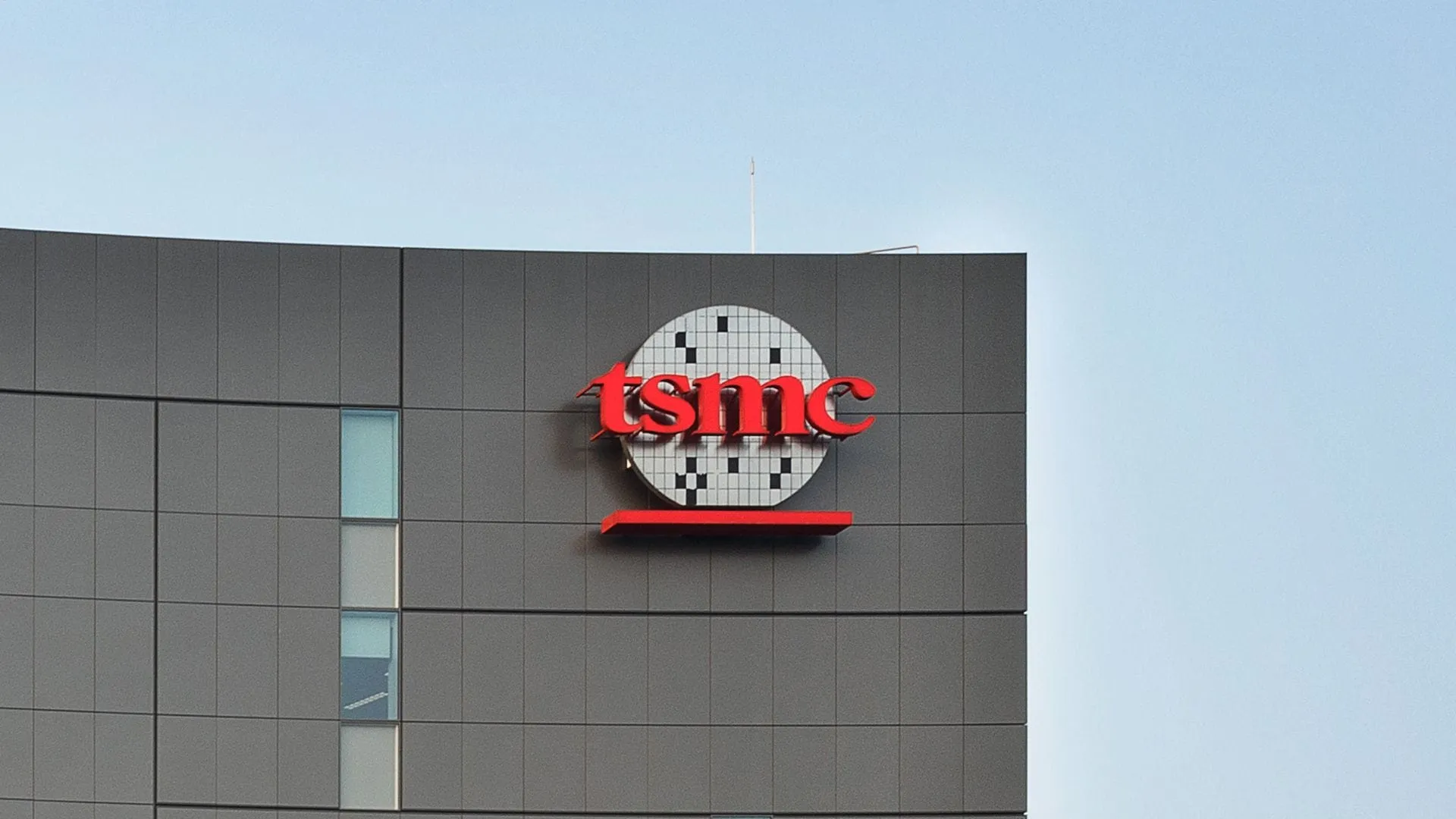
The Chip Race: How TSMC is Redefining American Manufacturing and Negotiating the Future of Foundries
The global semiconductor landscape is not just defined by silicon; it is a high-stakes game of geopolitical maneuvering, technological supremacy, and massive corporate negotiations. At the heart of this epic battle is TSMC, the world’s largest contract chipmaker, as it navigates massive expansion plans while simultaneously shaping the future of next-generation fabrication.
Recently, TSMC‘s leadership confirmed that the company is eyeing significant expansion of its American production capacity beyond established hubs like Arizona and Texas. The strategic evaluation process is underway, with Texas being identified as a key option. This move signals a clear ambition: to solidify the U.S. as a central node in the world’s most advanced chip supply chain.
Beyond domestic expansion, the company is also deeply involved in high-level discussions about future manufacturing arrangements, particularly concerning the ambitious Terafab project. Elon Musk, the visionary leader behind Tesla and SpaceX, has been in talks with TSMC regarding the use of its colossal semiconductor production facilities. The complexity lies in the details of ownership and operation.
When the negotiations began, the core question was control. While the idea of sharing massive infrastructure is appealing, TSMC insists that any fab it utilizes must be managed by them. This stance implies a strict adherence to the established business model of chipmaking, pushing back against arrangements that might dilute operational control.
The tension between these titans is palpable. Musk seeks to maintain control over the entire manufacturing complex, whereas TSMC demands operational oversight. This disagreement isn’t just about lines of code; it’s about who holds the keys to the fabrication kingdom. One potential path forward involves a creative compromise: allowing Terafab to own the facility while leasing production lines to TSMC, enabling independent operation. However, aligning such differing visions remains a delicate diplomatic challenge.
Meanwhile, TSMC’s financial performance reflects the incredible demand for cutting-edge technology. For the third quarter of 2026, the foundry reported revenue of $46.72 billion, marking a significant 41.2% year-over-year increase. Net income soared to approximately $23.9 billion, up 68.7% compared to the previous year, driven by the insatiable demand for chips powering the AI infrastructure.
The company’s strong performance is further highlighted by its margins. The gross margin reached 66.4%, setting a historic record, even while remaining below the margins seen in DRAM manufacturers. Looking ahead to the fourth quarter of 2026, TSMC projects continued growth, anticipating revenue between $52.3 billion and $54.3 billion, reflecting continued momentum in the advanced chip market.
Credit
