Two weeks to create an event: Can the Surface succeed
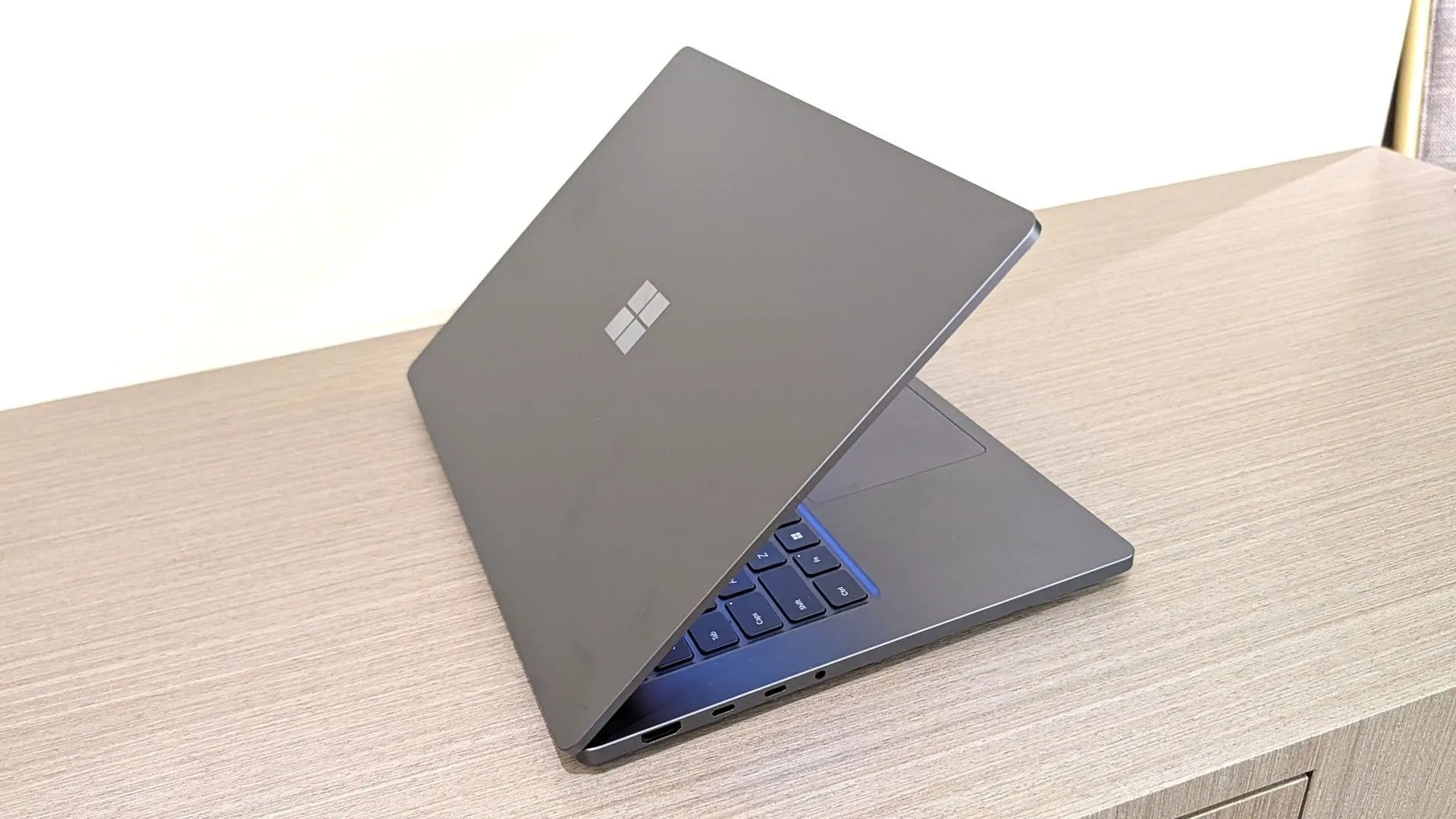
The tech world is buzzing about future hardware, but when Microsoft rolled out its latest Windows and Surface event, the focus felt less like a revolutionary unveiling and more like a carefully managed pivot. Scheduled for October 7, 2026, the event was framed around a massive theme: how local AI will shape the next chapter of the PC.
While the ambition behind integrating local artificial intelligence into PC architecture is undeniable, for many users, the focus felt almost entirely abstract. The grand narrative didn’t translate into tangible excitement for the average consumer.
At the heart of the announcement was the implied focus on hardware. Naturally, the Surface Laptop Ultra was positioned as the centerpiece, suggesting it might be the pinnacle device for running AI locally. This emphasis on a specific piece of hardware naturally drew attention, but it didn’t necessarily capture the imagination of the broader tech community.
Some observers suggested that the excitement lay not in the hardware itself, but in the corporate chase for the latest trend. The notion that a Surface running NVIDIA’s new RTX Spark superchip would run every Windows application imaginable felt less like a game-changing innovation and more like iterative updates.
For many, the core frustration stemmed from a feeling that Microsoft was prioritizing market trends over the brand’s identity. As one user noted, the enthusiasm seemed misplaced, suggesting that the focus shifted from genuine hardware innovation to simply fitting AI features into existing boxes.
The skepticism was palpable. One commentator expressed deep disappointment, stating that the event had become boring and unwatchable, lamenting the decline from past events that were considered industry highlights.
This sentiment echoed broader concerns about the Surface brand. There was a sense that Microsoft was not fully embracing what made Surface unique. Critics argued that the company seemed content to offer iterative updates and AI-focused accessories rather than pushing the boundaries of form factor and hardware design.
The disappointment extended to leadership, with some viewing the recent Surface and AI event as a massive blunder and missed opportunity, suggesting that the company failed to honor the history and innovation that defined the Surface line.
Despite these reservations, the company is clearly attempting a change of course. Initiatives like Windows K2 are underway, aiming to address some of the long-standing complaints about the Windows 11 experience. While these internal efforts are slow and occasionally hampered by hiccups, they signal a direction, even if the overall narrative surrounding the Surface brand remains muddled.
Ultimately, the story of the Surface and AI integration reveals a tension: the desire of a hardware giant to evolve, and the lingering question of whether in the pursuit of the newest technology, the original spirit of innovation will be forgotten.
Buy on Amazon
Credit
