Unlock DLSS 5 Visuals with ReShade: Full Guide
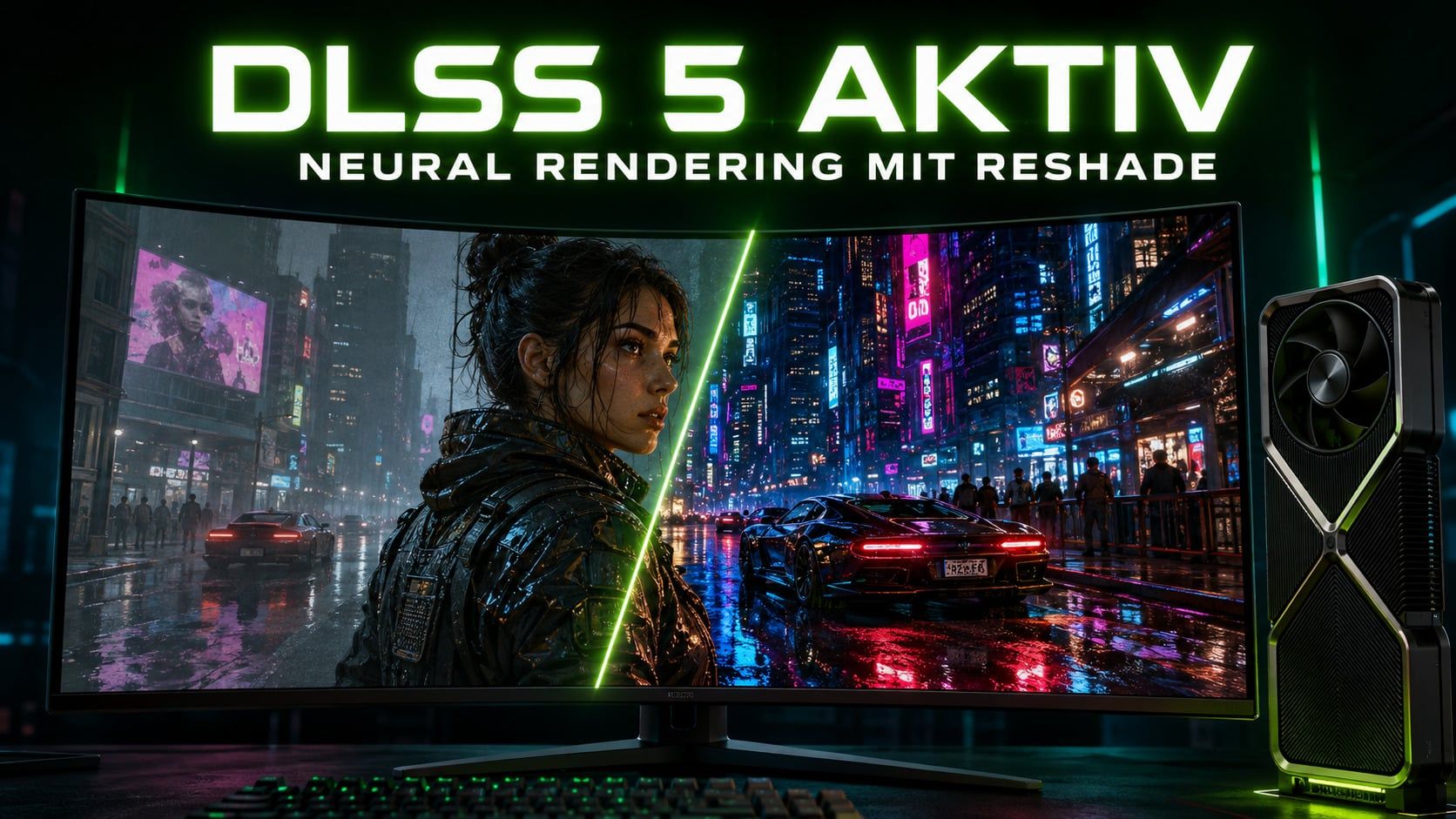
Unlocking the Future of Graphics: Testing the Experimental Power of DLSS 5
The world of gaming is constantly evolving, and the pursuit of visual fidelity is driving rapid innovation. Now, a new frontier is emerging, allowing enthusiasts and developers to test the potential of experimental technologies like DLSS 5 Neural Rendering outside of official releases. This experimental solution offers a fascinating opportunity to push the boundaries of what real-time graphics can achieve.
To access this cutting-edge capability, users are leveraging powerful community tools such as ReShade and RenoDX to explore the depths of DLSS 5. This experimental framework allows for dramatic manipulation of the rendered scene, enabling users to visibly alter complex elements of a game world.
The possibilities are truly striking. With careful configuration, users can visibly transform everything from facial features and skin textures to hair, clothing, reflections, and illuminated materials. It’s a powerful demonstration of how advanced neural rendering can be fine-tuned to redefine the aesthetic of a game.
However, unlocking this level of visual creativity is not a simple plug-and-play process. Achieving these transformative results demands careful installation, the selection of suitable files, and a substantial investment in additional computing resources. This highlights the demanding nature of pushing graphical limits in real-time.
The core challenge lies in balancing artistic expression with technical integrity. As demonstrated in testing sessions, while significant image changes were absolutely possible—especially when pushing high-end hardware—excessive intensities pose a risk. Overdoing the adjustments can unfortunately impair the original graphical style and compromise the realistic rendering of faces.
A notable test involved running these experimental modifications on high-end systems, such as a GeForce RTX 4090, within graphically intensive environments like Cyberpunk 2077. The results confirmed that while the potential for visual alteration is immense, finding the sweet spot between radical modification and faithful rendering requires precision and a deep understanding of the underlying technology.
Ultimately, this experimentation serves as an exciting glimpse into the future of AI-driven graphics. It shows that the next generation of rendering technology is not just about higher resolution, but about unlocking new creative ways to interact with and manipulate the virtual world.
Buy on Amazon
Credit