US Army deploys in-house drone with 3D-printed shrapnel bombs
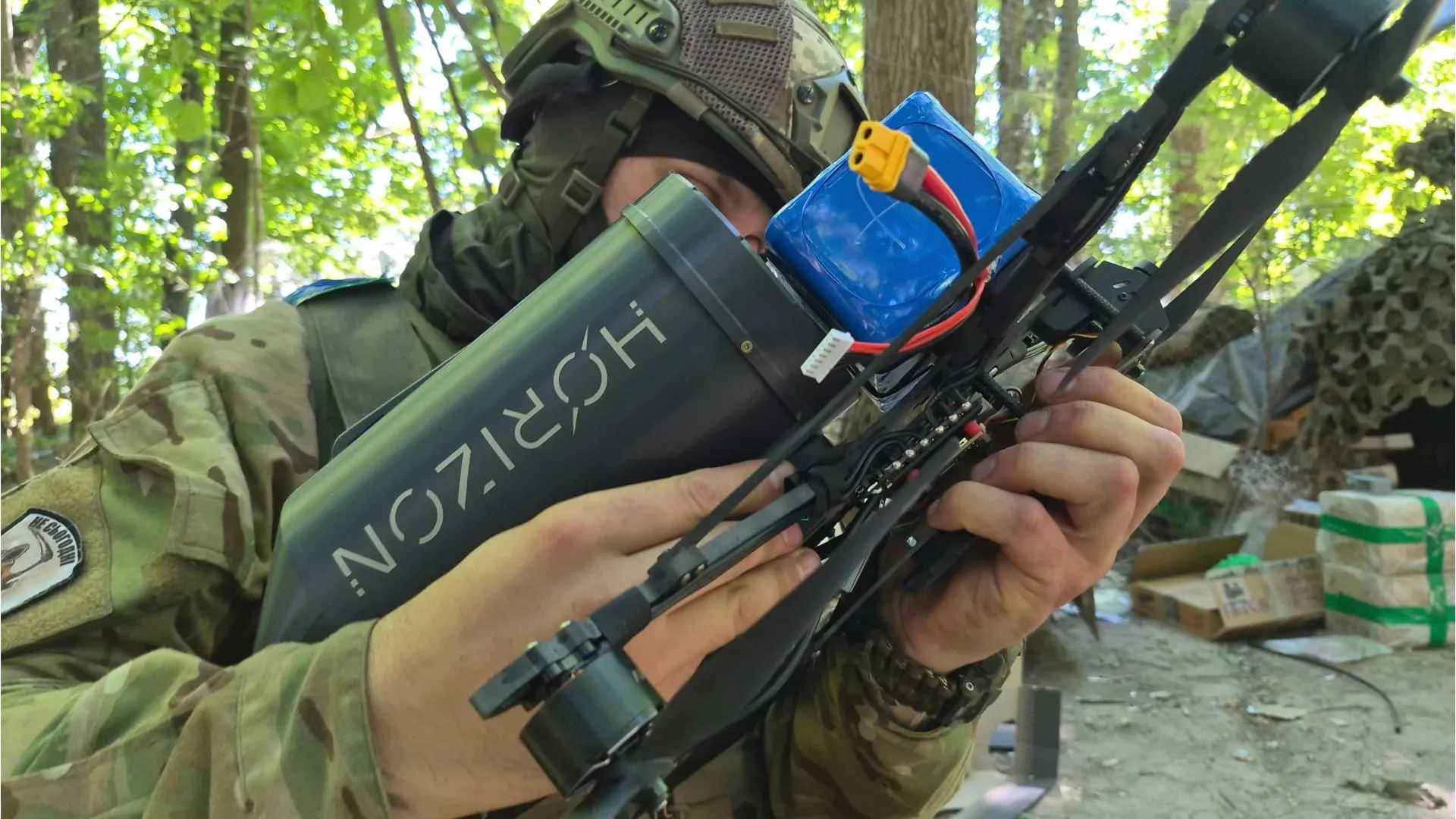
The future of warfare is no longer confined to massive, expensive aircraft. A radical shift is underway as conventional forces are embracing small, agile technology, proving that ingenuity—not just budget—is the ultimate weapon. At the forefront of this revolution is the U.S. Army’s 2nd Cavalry Regiment (2CR), based in Bavaria, Germany, which has demonstrated an unprecedented ability to innovate under pressure.
The soldiers of the 2CR, known as the Dragoons, recently executed a live attack using a drone system they developed entirely in-house. This wasn’t just a successful mission; it was a milestone in military technology, marking what some are calling a conventional Army first, and potentially an Army-wide first, for a kinetic drone strike conducted without reliance on external contractors or support.
How did they achieve this? The innovation lay in adapting available materials. The unit assembled an Orqa MRM2-10 drone, customizing it by fitting an electronic safety and arming device onto a casing 3D-printed in-house, which they dubbed “Dragoon bombs.” This fabrication process allowed for remarkable modularity. Crucially, the materials used were not just for casing; the explosive payload itself could be modified, enabling tactical precision—for instance, adding ball bearings to target enemy personnel or utilizing shaped charges to neutralize light armor.
This success underscores a powerful military philosophy: adapting what you have to meet the threat with a capable and credible force. Regiment commander Col. Timothy Price noted that the operation demonstrated the ability to leverage existing resources to deliver advanced lethality.
The response to drone warfare has spurred massive technological acceleration across the services. Recognizing the necessity of this rapid evolution, the U.S. Army launched a three-week boot camp known as the Unmanned Advanced Lethality Course. This intensive program trains soldiers not only in drone piloting but also in the crucial skills of 3D printing, printer maintenance, and in-house repair, aiming to build the capability to manufacture and maintain the vast majority of their own drone systems.
This push for self-sufficiency is not limited to the Army. Other branches are similarly embracing additive manufacturing. The U.S. Marine Corps, for example, has developed its own 3D-printed drone, the Hanx modular design, ensuring that critical systems are built without reliance on components sourced from China.
The pace of innovation continues across the military spectrum. The U.S. Navy is also integrating this technology into larger logistical operations by developing systems that allow for containerized drone fabrication, bringing this capability aboard aircraft carriers. From the battlefield to the supply chain, the trend is clear: custom, adaptable, and internally controlled technology is rapidly becoming the defining edge in modern conflict.
Buy on Amazon
Credit
