US data centers wipe out 15 years of climate progress report
The relentless march of artificial intelligence, while driving unprecedented technological innovation, comes with a staggering hidden environmental cost. At the heart of this reckoning are the massive data centers powering the AI boom, systems that are now putting environmental think tanks on high alert regarding their carbon footprint.
Estimates suggest that the future of the U.S. data center buildout poses a significant threat to climate goals. One analysis indicates that by 2030, the carbon dioxide output from these developments could equal the entire emissions of Mexico, effectively pushing back global progress on greenhouse gas reduction by fifteen years.
The scale of the impact is further underscored by the energy systems powering this digital world. Experts calculate that the output from pending data center construction, combined with the U.S. power sector, is set to add 2.1 billion metric tons of CO2 to the atmosphere by the end of the decade—a 42% increase compared to 2025 figures. These projections far exceed previous estimates, highlighting the urgency of addressing this infrastructure.
Despite growing environmental concerns, the shift toward green energy is facing practical hurdles. While many countries and states are enacting laws requiring new data centers to source a large portion of their power from renewable sources, the implementation is often complicated by phase-in periods and the fact that these regulations rarely apply retroactively.
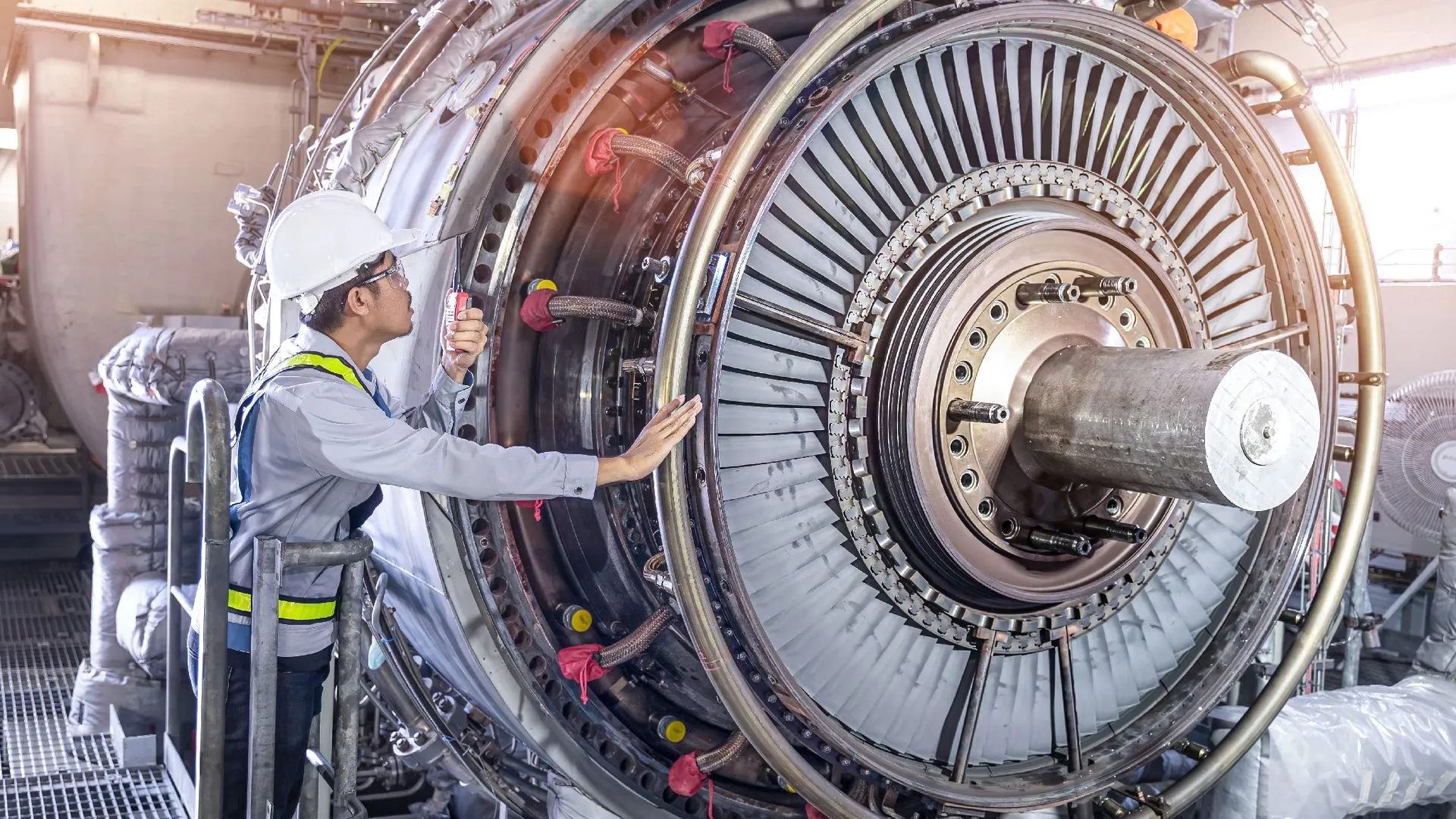
The current infrastructure reality presents another layer of complexity. Much of the expansion is heavily reliant on natural gas turbines. This reliance is compounded by the fact that the demand for these energy sources has led to severe supply bottlenecks. Gas turbine prices have soared by 50%, and production is experiencing years of backlogs, with some manufacturers now planning to open production slots in 2032.
Beyond energy supply, building out this digital infrastructure faces logistical and physical roadblocks. Requests for grid capacity are often outpacing available resources, and many large-scale data center projects are encountering strong local opposition. This tension between technological ambition and physical reality requires navigating complex permitting and capacity issues.
While the AI market continues its explosive growth, concerns are also rising among some observers regarding the long-term economics of hyperscalers. The underlying challenge is balancing the incredible speed of technological demand with the necessity of sustainable, scalable, and equitable infrastructure development.
Buy on Amazon
Credit
