US extradites Iranian for $3.4B hacking win for law enforcement
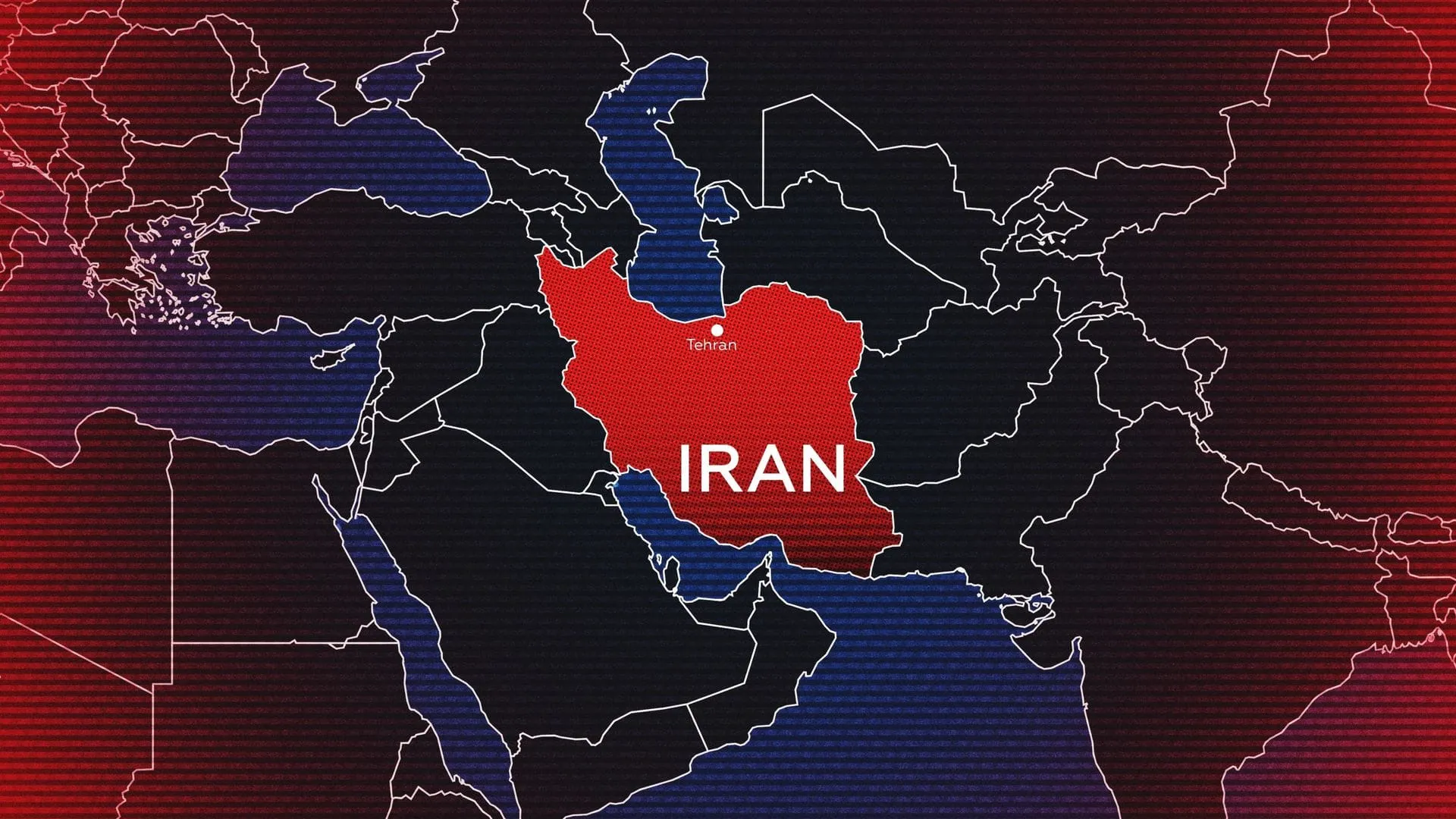
A multi-billion dollar cybercrime saga, allegedly orchestrated by state interests, has reached a dramatic climax as an Iranian-Turkish man was extradited to the United States from Montenegro. This rare legal move highlights the global reach of state-sponsored hacking and the fight against organized digital crime.
The suspect, Amir Barati, was brought to justice over his alleged involvement in a massive hacking scheme that reportedly caused over $3.4 billion in losses across numerous universities and corporations worldwide. This high-profile extradition occurred on October 1, marking a significant victory for international law enforcement in tackling sophisticated digital threats.
Barati and sixteen other Iranians were indicted on wire and computer fraud charges in August. They are accused of being members of the Mabna Institute, an organization known for conducting state-backed global hacking activities. Their campaign, which reportedly began in 2013 and spanned several years, involved a systematic operation to steal vast amounts of academic data and intellectual property.
The scale of the operation was staggering. The group allegedly managed to steal over 31 terabytes of academic data and intellectual property while breaching 8,000 email accounts belonging to professors across the globe. The digital footprint of this attack touched nearly every sector: 144 universities, 42 private companies, and five government agencies, including the Department of Labor and the Federal Energy Regulatory Commission.
The victims were not just academic institutions; the damage rippled through critical infrastructure. The hacking affected 178 universities and 11 companies abroad, as well as various NGOs, causing immense financial and operational damage. This digital assault underscores how easily global systems can be compromised when state-level capabilities are leveraged for illicit gain.
Court documents suggest that the stolen data and illicit access were allegedly handed over to the Iranian government, where they were reportedly used to benefit entities like the Islamic Revolutionary Guard Corps and associated organizations. Barati specifically is alleged to have played a direct role in tracking university hacks and creating ‘targeting lists’ for the private sector, effectively weaponizing digital espionage.
The extradition of Barati is viewed as a major win for law enforcement, especially since accused Iranian hackers rarely face U.S. courts. This case serves as a stark reminder that the consequences of state-sponsored cyberattacks extend far beyond national borders, impacting everything from municipal utilities to cutting-edge technology.
Buy on Amazon
Credit
