USAF drops SpaceX cargo pods from space
The future of military logistics just got a serious upgrade. The Air Force Research Lab (AFRL) has successfully validated a revolutionary method of space-based delivery, proving that cargo pods can be dropped from orbit to achieve point-to-point global mobility. This breakthrough promises to redefine how military forces can resupply anywhere on Earth, bypassing the risks associated with traditional long supply lines.
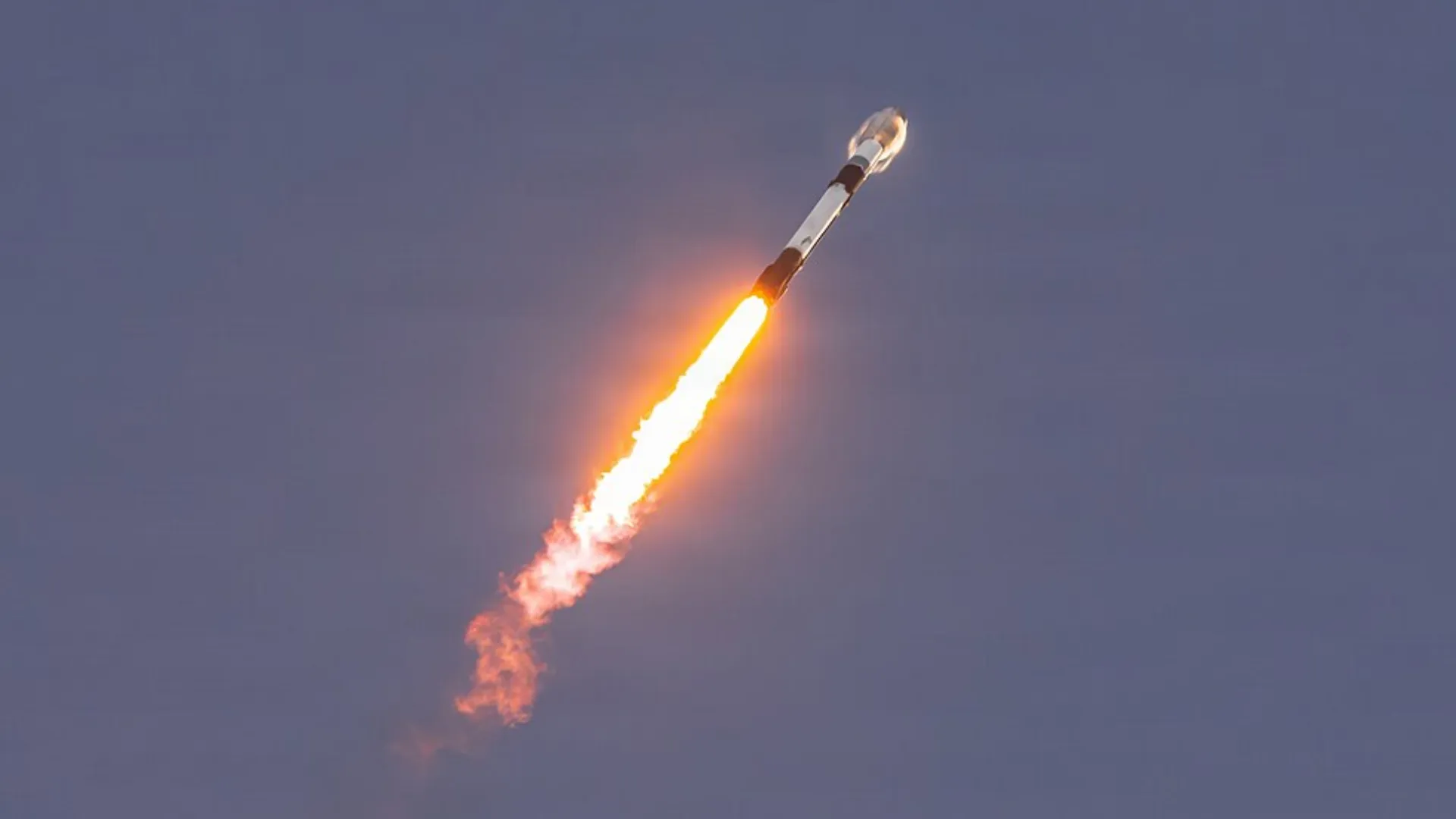
The successful demonstration involved launching specialized cargo pods, which were onboard a SpaceX Starfall capsule, from the Cape Canaveral Space Force Station as part of a Bandwagon-5 “rideshare” mission carried by a Falcon 9 rocket. The capsule, which is shaped like a hockey puck and utilizes a carbon fiber heat shield, safely splashed down in the Pacific Ocean. Inside, the pods carried critical mission equipment, including MREs, bottled water, a SATCOM-enabled tracker, and spare batteries, all carefully tested for the effects of launch and reentry shock, vibration, and temperature.
This test is more than just a successful space drop; it is a validation of Rocket Cargo’s point-to-point delivery (P2D) capabilities. The real power of this technology lies in its potential to allow forces to resupply virtually anywhere in the world, offering unprecedented speed and security. This capability minimizes the need to risk vulnerable aircraft and aircrews, especially in contested or active combat zones.
Dr. Adam Remaly, director of the AFRL Technology Transition Office, called the achievement a “critical” demonstration of this potential for “point-to-point rapid global mobility for the Future Force,” emphasizing that cross-discipline collaboration is the key to unlocking this speed in the defense industrial base.
While the current test utilized SpaceX technology, the pursuit of advanced orbital cargo systems is a shared endeavor. Other entities are rapidly developing similar solutions. For instance, Sierra Space, a subsidiary of the Sierra Nevada Corporation, is actively working on a system called the Ghost reentry vehicle. They have already conducted test drops from extreme altitudes of 35,000 and 68,500 feet, pushing the boundaries of what is possible in orbital delivery.
The potential scale of this technology is enormous. While the recent test used a 2,200-pound capacity capsule, the Air Force is reportedly targeting the ability to increase the cargo limits to the order of tens of tons. This expansion would allow the system to carry heavy payloads, including ammunition, weapon systems, and even deployable vehicles from space—a goal that will ultimately depend on the development of larger rockets like Starship.
Beyond orbital delivery, the logistical shift is also impacting ground operations. Simultaneously, the U.S. Navy is exploring ways to shorten supply chains by leveraging additive manufacturing. This includes using 3D-printing technologies to create flight-ready drones and components onboard aircraft carriers. This innovation allows forces to print replacement parts directly at forward bases, eliminating the need to wait for shipments from distant ports and dramatically improving maritime defense capabilities.
Credit
