Valve adds CD-ROM support to Steam Frame in minutes
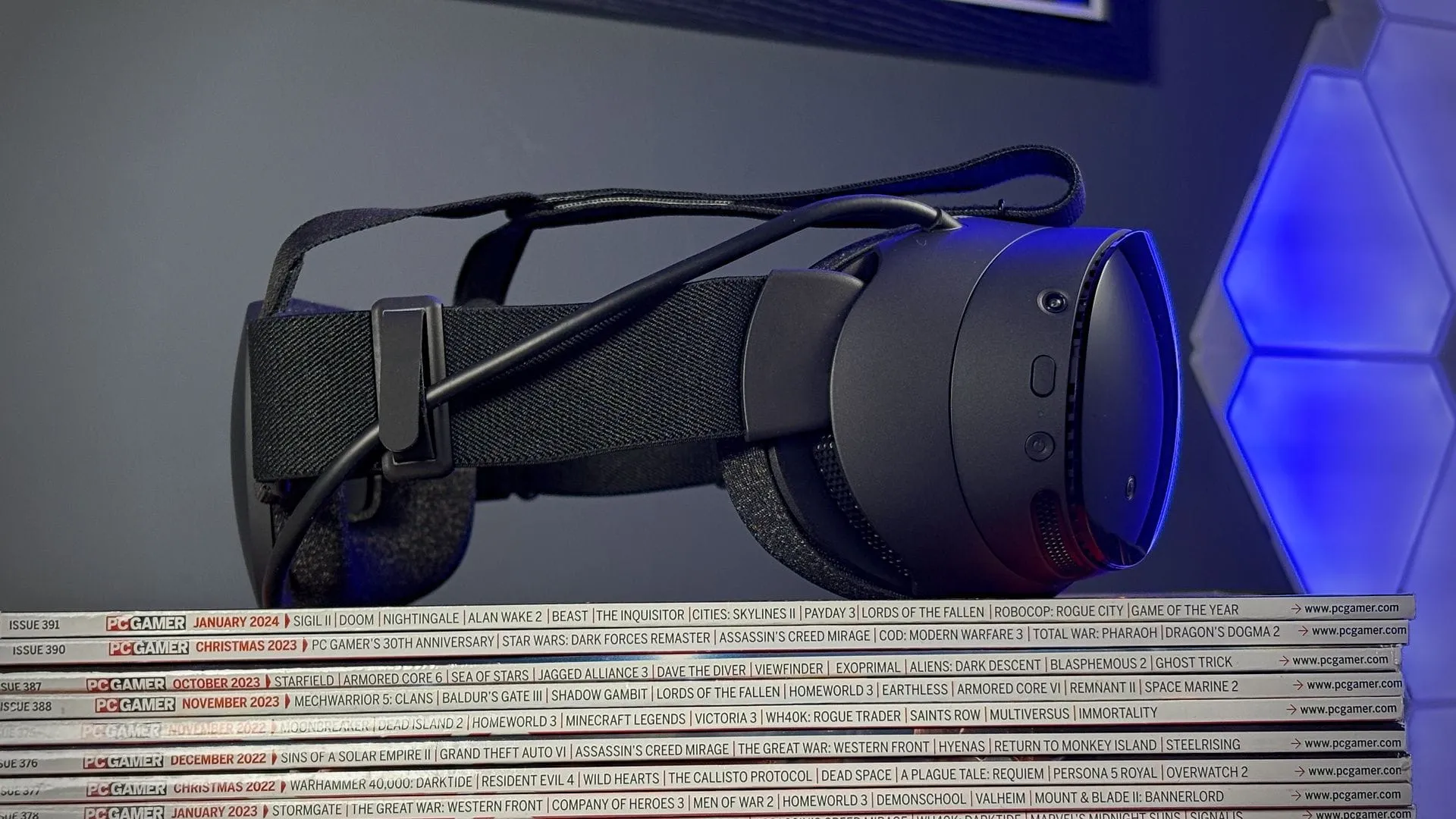
You can never truly predict how users will push the boundaries of technology. Recently, a curious request led to a quick, fascinating piece of development, demonstrating just how adaptable the world of gaming interfaces can be.
A user interested in the Steam Frame discovered a unique desire: the ability to use a detachable disc drive with their setup. This wasn’t just about convenience; it was about nostalgia and expanding the utility of a high-end display system. The user wanted to be able to watch movies on the road using physical media, feeling that the Frame, with its comfort and screen, was perfect for more than just VR games.
The ambition, however, quickly ran into a technical wall. The Steam Frame, while excellent for VR, lacked the necessary drivers to read a CD-ROM, effectively blocking the user’s vision for utilizing this feature. This limitation meant that accessing older games, or even casual media, via physical discs was impossible.
The solution arrived in a blink. After the request was posted to the Steam community forum, Valve developer gaberow responded swiftly. Within less than ten minutes of the user asking for the capability, the team managed to patch in the necessary kernel support for the disc drive functionality.
This rapid response highlighted a key aspect of modern software development: the flexibility of kernel-level changes. While this fix didn’t immediately mean every Steam Frame unit would officially receive the feature, it signaled Valve‘s commitment to making the platform adaptable. It proved that functionality can be implemented quickly, regardless of the specific hardware configuration.
The implications extend beyond the simple ability to watch a movie. The possibility of booting games from physical media opens up new, unique ways to experience software. For users interested in retro titles, such as games like Need for Speed Carbon, that aren’t available on mainstream digital storefronts, this capability offers a potential bridge to legacy content.
While Valve‘s kernel update is the official route, the open nature of the source code also allows tinkerers to pursue similar goals. Individuals looking to add this functionality themselves have the option to install the necessary kernel modifications through community projects, offering an alternative path for those who want to extend the capabilities of their hardware without waiting for official updates.
Ultimately, this story is a testament to the spirit of open-source innovation and the responsiveness of the gaming community. It reminds us that technology isn’t just about what is currently available, but what is possible, driven by user curiosity and developer agility.
Buy on Amazon
Credit
