Valve patch notes delivered
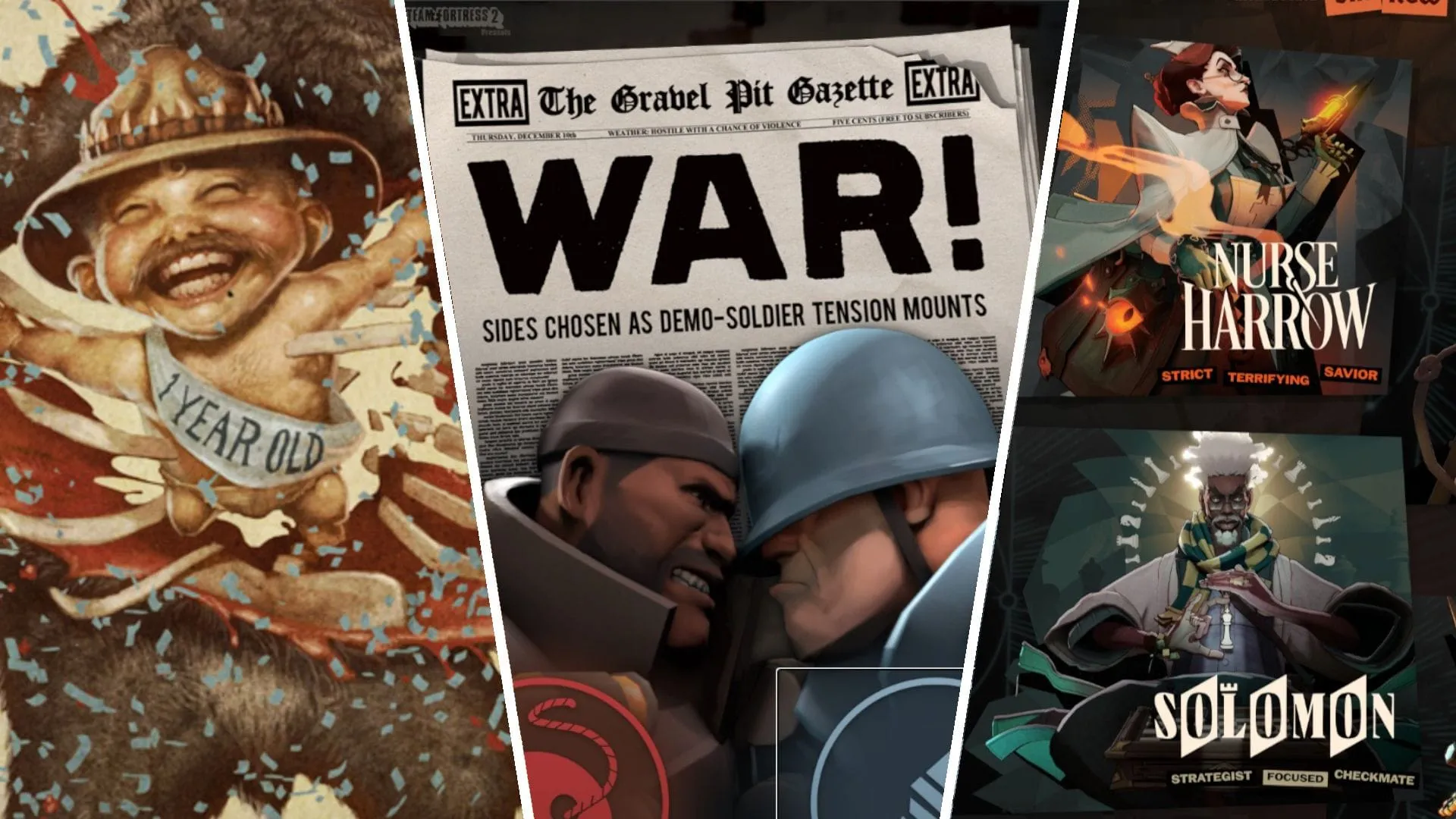
When it comes to game updates, most players look for the exciting new mechanics or score changes. But for those of us who spend time in the developer’s space, the real feast is found in the patch notes. Lately, the Deadlock update isn’t just a list of fixes; it’s a visual treat, a full-blown experience. Valve has somehow managed to turn essential changes into something spectacular, reminding us that the details behind the code can be just as engaging as the gameplay itself.
The City Never Sleeps patch notes, for example, don’t just deliver information—they act like a walking tourism brochure for Deadlock‘s refreshed New York City. Readers are guided through the four major districts, weaving together in-world storytelling with technical explanations, all wrapped up in Valve’s signature sense of humor. The design is stunning, using custom artwork and dotted lines to guide the eye, transforming a functional update into a scenic journey.
This aesthetic flair isn’t a one-off; it reflects a long-standing philosophy at Valve. They have a history of designing bespoke, beautiful webpages to introduce meaningful changes, elevating patch notes from dry bullet lists into celebrated pieces of content. It’s a testament to the idea that game updates can be an art form.
To truly understand this approach, we have to look back at the golden age of Valve’s communication, particularly with Team Fortress 2. Valve pioneered multiplayer storytelling long before concepts like seasons or “live service” were mainstream. Updates for TF2 weren’t just dropping items; they were elaborate narratives, placing characters in conflict and adding deep context to the maps we fought across.
These updates were anything but standard. They often arrived with a theatrical flourish, acting more like comic books or department store catalogs. The way they presented new weapons and mechanics—for instance, detailing the blueprints for the Engineer’s advanced gear with handwritten notes—showed a developer’s confidence that the presentation of change was as important as the change itself.
Valve’s blog posts were never monotonous. They experimented with color schemes, layouts, and original elements for every release, demonstrating a willingness to push boundaries and treat the arrival of new content as a major event. It was this level of flair, this willingness to create a sense of wonder, that made their updates so captivating.
While the current landscape, dominated by functional lists in games like Counter-Strike 2 or Dota 2, keeps patch notes relatively reserved, the legacy of Valve’s work remains powerful. They showed that even incremental updates could be epic, fostering a sense of shared conflict and imagination among players. Deadlock is tapping into that dormant theatrical energy, proving that a thoughtfully designed update can still inspire the same sense of wonder we once found in the legendary world of TF2.
Buy on Amazon
Credit
