Valve teases the Steam Frame OLED Reddit waits begin
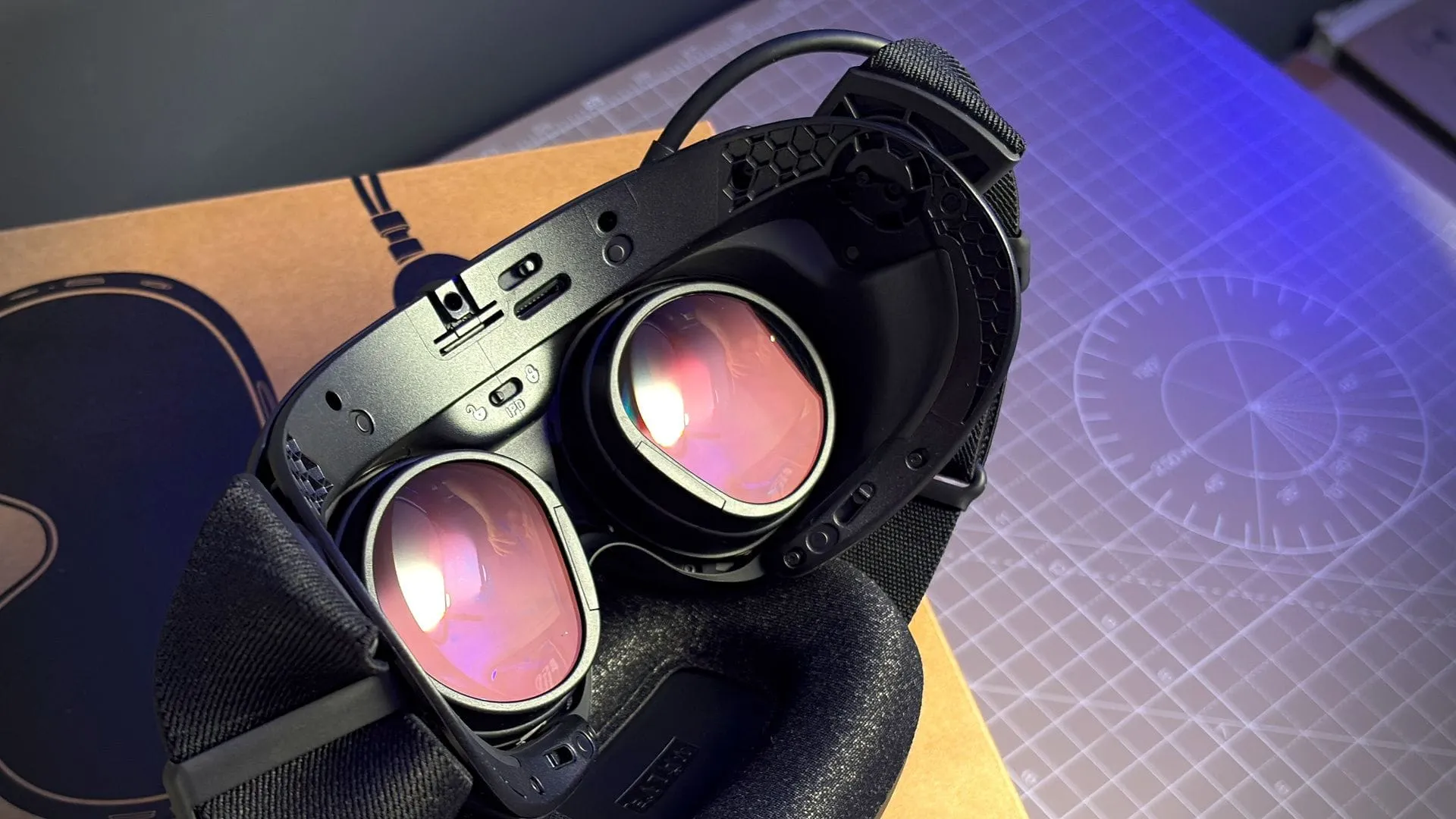
A month out from the highly anticipated launch of the Steam Frame, the whisper of an OLED upgrade is already echoing through the community. While much of the excitement centers on the aesthetics, the true fascination lies in the deep-dive, often accidental, clues tucked away in the development process that suggest Valve might be playing with some serious hardware concepts.
Deep within the Steam Frame source code, a casual look revealed references to branches named deckard-oled and deckard-plano. These names, though seemingly minor, hint at experimental versions of the Frame, pointing toward a potential OLED iteration. This discovery has instantly ignited a debate: is this mere developer tinkering, or is it a sign of a truly imminent hardware shift?
The excitement is understandable, especially when considering the shortcomings of the current LCD displays compared to the cutting-edge Micro-OLED technology found in high-end VR headsets. However, turning a simple display swap into a full-fledged VR experience involves far more than just changing panels. It requires grappling with the complex realities of power consumption, cooling, performance, and optics.
As hardware enthusiasts weigh in, the focus quickly shifts from the pixels to the physics. While the visual upgrade is tempting, the core challenge lies in integrating OLED panels without compromising the overall system. The physical limitations—including heat management, power draw, and the necessary adjustments to field of view and motion clarity—must all be considered.
Some argue that the current setup, even with the impressive streaming capabilities, already struggles with performance, especially when pushed by the current 8 Gen 3 chip. This raises the question of whether the OLED modification is truly a revolutionary step or merely an optical prototype in the works.
The development path suggests a pragmatic approach. Rather than rushing a full OLED rollout, the focus might be on leveraging the modular nature of the Steam Frame. This modularity already allows users to customize components, providing a foundation for future upgrades. Tools like the available CAD files empower users to experiment, building an ecosystem around the Frame.
This modularity already extends to peripherals, with community-driven upgrades like updated straps and hot-swappable batteries demonstrating a willingness to extend the Frame’s life beyond its initial release. This ecosystem suggests that Valve is already cultivating a community interested in evolving the hardware.
Ultimately, the most interesting factor might be the development strategy itself. When Valve engineers admit that these leaked references are often just the result of someone fat fingering something, it suggests a certain level of candid experimentation is underway. Whether the OLED version arrives soon is less about a grand, pre-planned scheme and more about the inevitable progression of hardware innovation filtered through Valve’s unique developmental lens.
The journey from LCD to OLED is complex, demanding breakthroughs in display technology, thermal management, and software optimization. But by treating the Steam Frame as a platform for iteration, Valve may be paving the way for a truly next-generation PCVR experience, one that balances stunning visuals with genuine, high-performance immersion.
Buy on Amazon
Credit
