Vera CPU memory bandwidth crushes Xeon 6 in Oracle Cloud
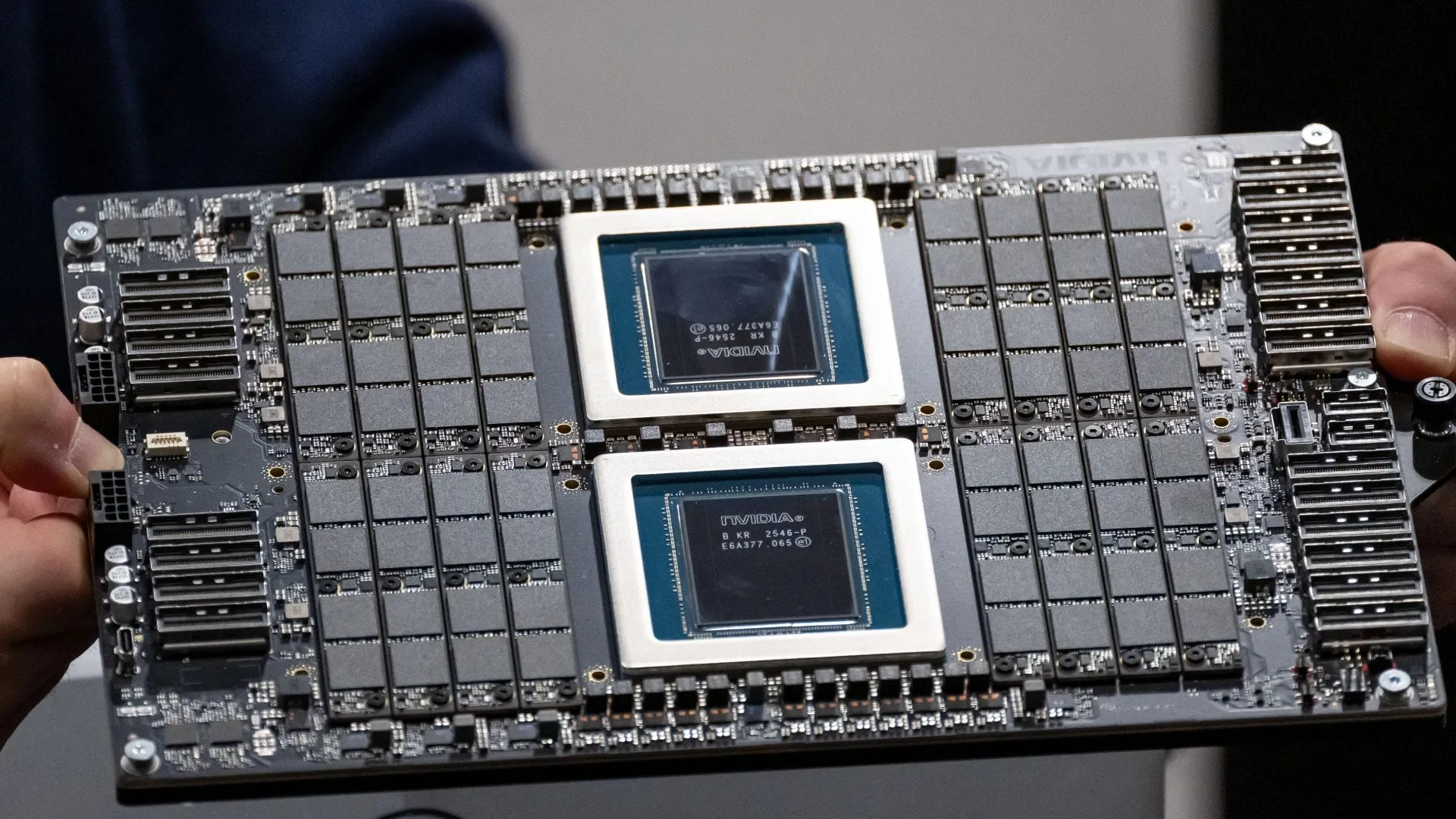
The AI CPU Revolution: How Nvidia and Oracle Are Redefining the Data Center
The high-performance computing world just got a major shake-up. Nvidia and Oracle recently announced the general availability of the Vera Rubin NVL72 rack and Vera CPUs on Oracle Cloud Infrastructure (OCI) Superclusters, signaling a significant move toward integrating next-generation silicon into the hyperscale data center. This announcement lands squarely in the middle of an intense race to build the infrastructure necessary to power the future of artificial intelligence, putting two of the industry’s giants side-by-side in the quest for the ultimate compute solution.
While other major cloud players have made waves, Oracle’s standalone deployment of Vera instances on OCI sends a particularly interesting signal. It moves the conversation beyond specialized GPU compute and positions Vera as a viable contender in the broader realm of general-purpose server processors, challenging the established x86 hierarchy regardless of the accompanying GPU capabilities.
Nvidia, the undisputed leader in AI accelerators, is now pushing its architecture into the core of the data center. This is not just about adding more compute; it’s about fundamentally rethinking how CPUs handle massive, complex, and concurrent workloads. Nvidia’s architect, Ian Buck, has long advocated for a shift away from monolithic SKUs, and Vera represents an effort to open the door for future CPU generations within the hyperscale environment.
In the CPU competition, AMD’s EPYC and Intel’s Xeon CPUs continue to dominate in terms of single-socket density, packing exceptional thread counts. However, Vera brings distinct advantages, particularly when focusing on the demands of the agentic AI era. One of Vera’s standout features is memory bandwidth. Nvidia claims a staggering 1.2 TB/s of bandwidth, a figure that, when tested under demanding conditions, shows significant potential to outpace traditional systems, especially in complex data movement scenarios.
This superior memory performance is critical for the emerging field of agentic AI. Agentic loops—the complex sequences involving large database queries or extensive documentation processing—rely heavily on moving massive amounts of data rapidly. Vera’s architecture, which distributes memory and caching across the die using a distributed mesh, allows it to maximize bandwidth. This distributed approach often yields higher memory throughput, particularly when running systems with parallel processes, demonstrating how the design directly benefits workloads requiring extensive data exchange.
Furthermore, Vera shows particular strength in the environments where the AI software ecosystem thrives. Since much of the foundation for agentic frameworks like CrewAI and LangGraph is built in Python, the efficiency of the underlying CPU for data crunching is paramount. Nvidia’s focus on agentic AI makes perfect sense, as these tasks require not just raw processing power but superior efficiency in handling large data streams, a domain where Vera demonstrates compelling performance.
Despite these impressive performance vectors, the reality of deploying new silicon in a complex data center environment is nuanced. While Vera excels in specific agentic workloads, it is important to remember that the data center deals with a wide spectrum of tasks, including general concurrency. The performance characteristics of Vera, while revolutionary for AI, must be evaluated against the full range of data center workloads to understand its real-world impact.
Oracle‘s cautious approach reflects the gravity of bringing such a multi-gigawatt deployment online. As the industry continues to observe how customers deploy Vera in production environments, it will be clear that this new architecture is not just a chip, but a fundamental shift in the blueprint for the next generation of intelligent infrastructure.
Credit
