Vera CPU vs. Rapids-AP and Turin Data Center Benchmarks
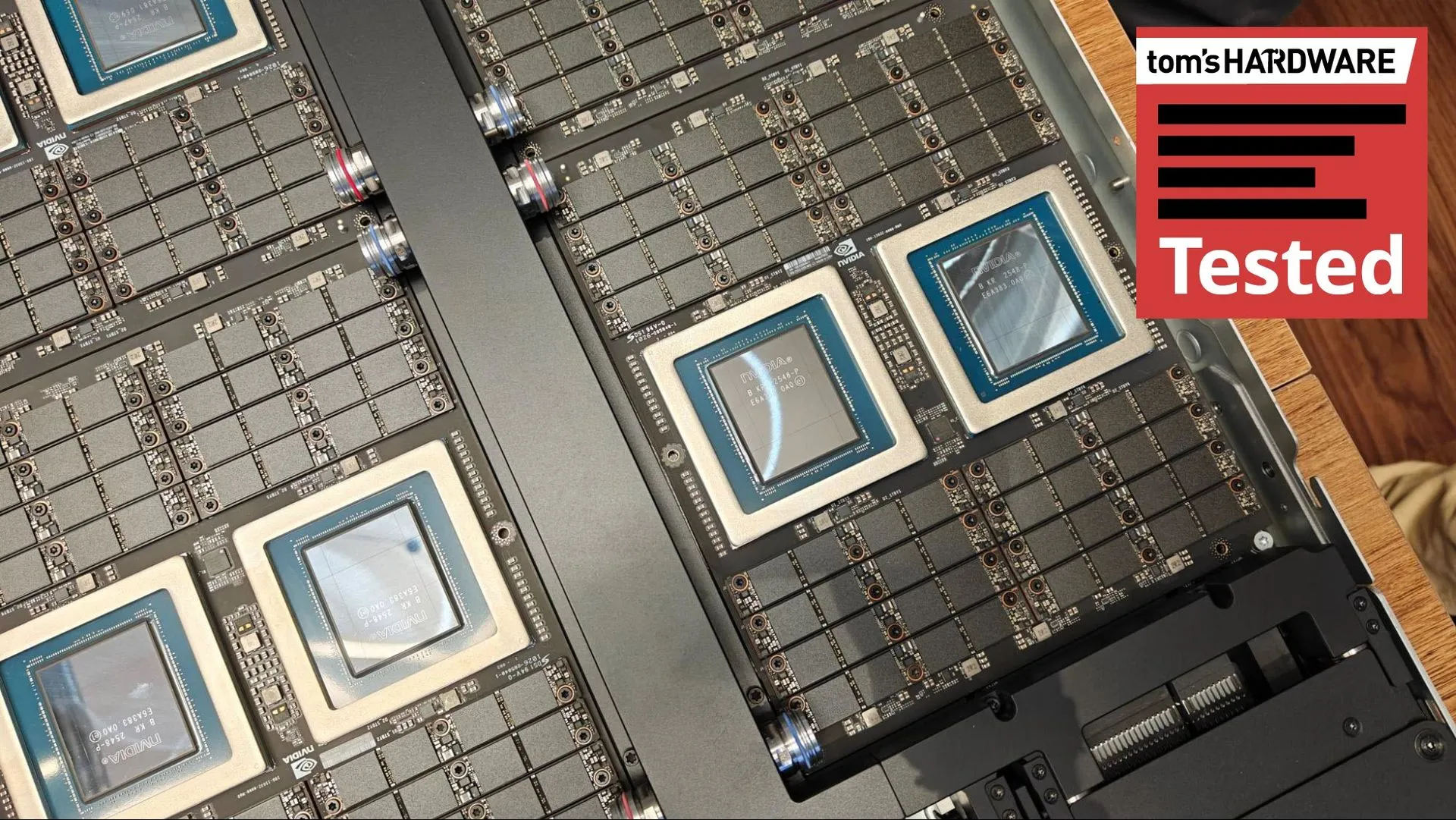
This article provides a detailed performance comparison of Nvidia’s Vera CPU against AMD and Intel in various data center and AI-related benchmarks, focusing on memory, computation, and application workloads.
Here is a summary of the key findings:
1. AI Ecosystem and Prompt Processing
Python Dominance: Performance in the Python-based AI ecosystem is noted as a strong indicator of Vera’s capability.
Prompt Processing: In pure CPU prompt processing benchmarks, a single 6980P CPU topped the charts, likely due to Intel’s AI-specific ISA extensions.
CPU Evolution: The expectation is that AMD will level the playing field by extending support for these instructions in Zen 6.
2. Memory Bandwidth (A Major Strength)
Superior Bandwidth: Nvidia heavily touts the memory bandwidth of Vera. It boasts a memory bus width more than twice that of Grace and supports speeds up to 1.2 TB/s of memory bandwidth via the LPDDR5X interface.
Competitive Edge: Vera is in a league of its own for memory bandwidth, even when factoring in optimization strategies suggested by Nvidia.
3. Computational and Scientific Benchmarks
HPC Tasks (DFT): Vera performs strongly in Discrete Fourier Transforms (DFT), topping charts in applications like Octave and CloverLeaf.
Mathematical Operations: It performs well in some straight scientific operations (FFTs, sparse matrix multiplies) but trails chips with massive core arrays in heavily threaded tasks like the Primesieve.
Compilation: Vera shows strong leads in timed GCC compilation (beating a dual 9755 system by 12%) but performs poorly in LLVM compilation tests.
Rendering & Visualization: In real-time path tracing (OSPRay), Vera leads, but it falls behind the AMD and Intel flagships in real-time scientific visualization.
4. Database and Application Performance
Database Workloads: Vera shows strong performance in ClickHouse and SQLite benchmarks.
JSON Parsing: Turin chips hold a lead in JSON parsing speed, benefiting from native AVX-512 execution, while Vera relies on general SIMD instructions.
Java Suites: Vera maintains surprisingly strong positions in specific scientific operations (like Monte Carlo simulations) but falls behind in dense matrix factorization tasks (LU matrix factorization).
5. Compression Workloads
Zstd: Vera offers chart-topping compression performance in Zstd at both default and maximum compression levels.
7-Zip: In compression and decompression via 7-Zip, dual 6980P configurations generally outperformed Vera.
Conclusion: Nvidia’s Strategic Move
The article suggests that while Vera doesn’t win every specific benchmark, it represents an impressive chip that validates Nvidia’s aggressive push into standalone data center CPUs. It demonstrates significant potential, particularly in memory bandwidth and certain HPC operations, forcing AMD and Intel to respond with their next-generation architectures (Zen 6 and Diamond Rapids).
Credit
