VHS Doom Mario action FMV game
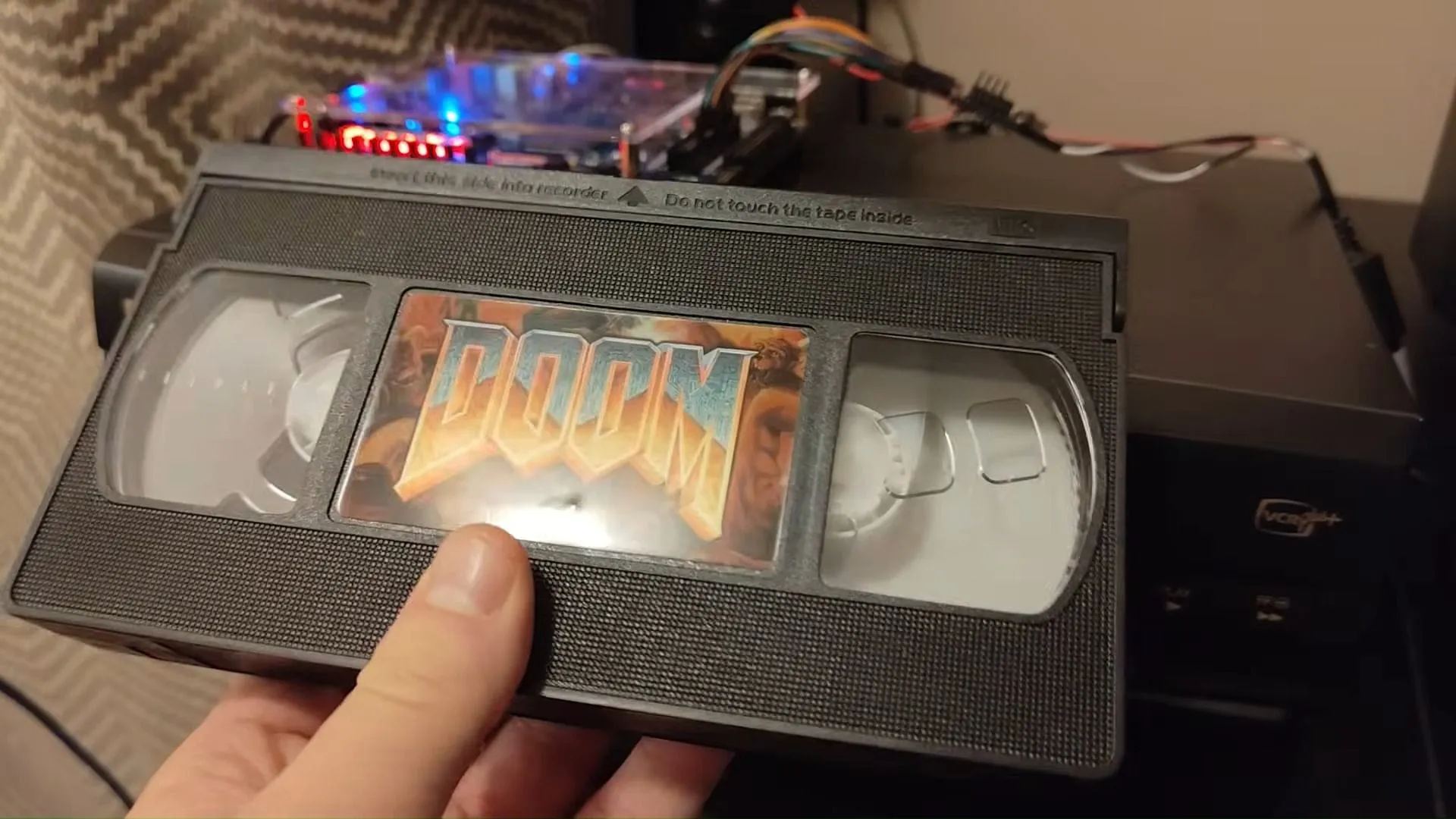
There is a certain magic in resurrecting the past, and for some tech enthusiasts, that magic is found in the dusty realms of 1980s gaming. When a visionary tinkerer decides that an obsolete VHS-based system is simply inadequate, the path to innovation opens up. This is the story of how one individual took deep dissatisfaction with vintage entertainment and fused it with cutting-edge modern technology to create something entirely new.
The journey began with a classic setup—an old ActionMax system hooked up to a VHS deck. While the premise of retro gaming is undeniably appealing, the interactivity and visual quality offered by these antique systems proved woefully limited. The experience, while nostalgic, lacked the novelty required for the modern era.
Instead of settling for the limitations of the past, the tinkerer decided to throw out the old playbook. The goal was to transform the basic VHS player into a sophisticated platform capable of delivering a truly modern experience, enhanced by powerful contemporary hardware.
This transformation required an upgrade to the core system. The project leveraged powerful, accessible components, including a DE1-SoC FPGA”>FPGA board and a Raspberry Pi RP2350 microcontroller unit. This pairing provided the necessary computational muscle to redefine what VHS could achieve.
The real innovation lay in how the FPGA handled the visual output. By utilizing the FPGA, the system was able to power dynamic overlay graphics and switch seamlessly between up to eight simultaneous video streams played by the VHS deck. This provided a dynamic layer to the retro experience.
For instance, when running a game like Doom”>Doom, the FPGA could power these streams to render complex graphics, making the experience feel visually rich, even if the gameplay mechanics remained rooted in the classic design. The interaction was streamlined: pressing a button dictated which of the eight streams was displayed, adding a layer of temporal interaction to the visual feast.
The concept extended beyond action games. The enthusiast also tackled classic platformers, such as Super Mario Bros. Here, the system allowed the Single Board Computer to play a faithful version of the classic game while replacing the standard backdrop with custom, snazzy VHS-taped imagery. It demonstrated how visual enhancements could elevate familiar games, borrowing techniques once seen in early CD-ROM titles to boost their visual appeal.
This project proved that vintage hardware is not merely a nostalgic relic, but a fertile ground for technological reinvention. By combining the charm of VHS with the processing power of modern maker technology, a unique and engaging gaming system was born, bridging the gap between retro entertainment and cutting-edge digital design.
Buy on Amazon
Credit
