Vibe coding zombie game sparks controversy in SF slums
The Tenderloin Night Shift: When Coding Met Controversy in San Francisco
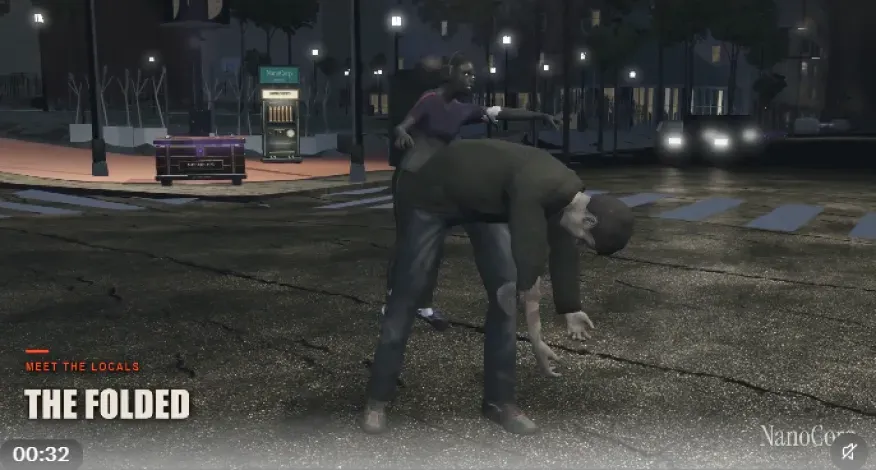
In the world of technology and gaming, where creativity often clashes with conscience, a recent project by a young entrepreneur has ignited a fierce debate about boundaries, reality, and representation. Pierre-Louis Biojout, the founder of the Y Combinator-backed AI startup NanoCorp, took a controversial step by releasing a weekend coding project: a web-based shooter game set in San Francisco’s notoriously challenging Tenderloin district.
The game, titled Tenderloin Night Shift, was built on a provocative premise—monetizing the grim reality of the neighborhood by simulating violence against fictionalized figures. Biojout openly stated his motivation was a commentary on the city’s neglect, suggesting that since San Francisco could not fix the systemic issues of the Tenderloin, he would monetize the “dehumanization and pretend killing” for entertainment.
The virtual streets of the game were populated by targets that included sensitive representations of real people, such as a fictionalized fentanyl addict and a Black security guard. This immediate artistic choice quickly drew sharp criticism from community advocates.
Jennifer Friedenbach, executive director of the SF Coalition on Homelessness, addressed the situation directly, arguing that Biojout was essentially monetizing the dehumanization of the residents of the poorest neighborhood in San Francisco.
Biojout defended his actions, insisting that he had no intention of “provoke or depict shooting real people,” adding that the game characters included tech workers as well. However, the reaction from the broader tech community was far more polarized. Some founders condemned the concept, arguing that simulating violence against human beings, regardless of fictional context, was fundamentally problematic. They challenged the narrative, asking why the simulated victims were not simply “zombies.”
Yet, the controversy sparked a fascinating split in the online discourse. While many expressed outright disapproval, others found an unexpected angle. Some users praised the premise, arguing that since the targets were fictional, the ethical stakes were removed. Others, embracing a more irreverent stance, joked about training in “bro’s games” to prepare for a visit to the city.
Ultimately, the Tenderloin Night Shift saga serves as a potent reminder that the line between creative expression and exploiting painful realities is often razor-thin. As the project disappeared from NanoCorp’s website, the ensuing conversation highlighted not just the ethics of gaming, but the complex, often uncomfortable relationship between digital entertainment and the stark social issues defining major metropolitan areas.
Buy on Amazon
Credit
