Vice City transformation GTA crime Miami sheriff unmoved
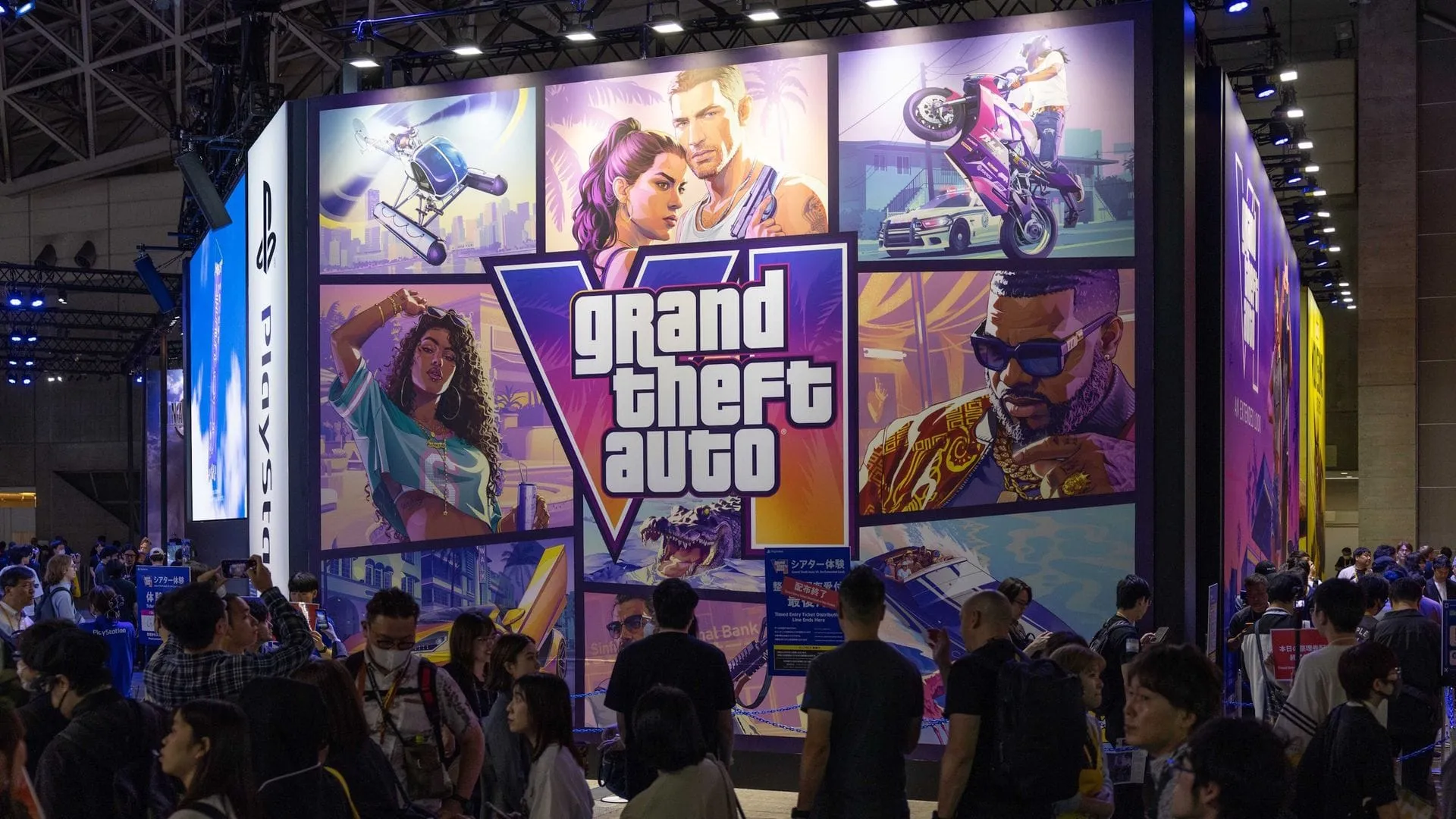
The Ghost of Vice City: When Gaming Meets the Golden Coast
The vibrant, neon-soaked world of Vice City and Leonida, the fictional setting for Grand Theft Auto 6, is deeply rooted in the reality of Miami and Florida. As Rockstar and Take-Two Interactive gear up for the console release, they are leaning heavily on this real-life inspiration, turning the sun-drenched landscapes of South Florida into the backdrop for their ambitious marketing campaigns.
This high-profile blend of fiction and geography stirred up some serious questions among local authorities. When the proposed partnership came to light, the Miami-Dade Sheriff made it clear that the franchise, built around criminal activity, was not something the jurisdiction should be associating with.
The Sheriff’s stance was firm: Grand Theft Auto is a video game franchise centered on murder, robbery, drug trafficking, and other conduct that law enforcement works tirelessly to prevent. This position highlighted the tension between fictional entertainment and the daily reality of public safety.
Despite this initial opposition, the promotional momentum continued. Local municipalities, including the City of Miami Beach, gave the green light for a discreet campaign. However, private entities quickly stepped up the visual spectacle. For example, the Kaseya Center, a major downtown arena, erected a massive Welcome to Vice City sign on its roof, visible to travelers arriving at Miami International Airport.
The spectacle only grew bolder when the Miami Heat, one of the NBA’s most visible teams, became directly involved. They participated in the Night in Vice City promotion, rebranding the arena and the team in Vice City livery, a move that some observers labeled a “big fuckin’ deal.”
While concerns about the use of public infrastructure and assets—like transit stations and airport facilities—were raised by law enforcement representatives, the focus of the campaign was on private business promotion. The campaign was managed by a private hospitality company, which allowed for a degree of flexibility in how the imagery appeared.
Yet, amidst the concerns, the reality of commercialism took hold. The glitzy rebranding of Miami and Florida speaks for itself, and the spotlight on the fictional setting seems to have overshadowed the initial alarm. Some city officials admitted that while commercialism isn’t their personal preference, seeing the spectacle unfold was, at least, “kind of nice.”
Ultimately, the debate settled into a fascinating tension: balancing the responsibility of civic leadership against the allure of massive commercial branding. In the end, the fictional allure of Vice City seems to have successfully blended with the real-life energy of Miami, proving that sometimes, the most outlandish promotion can become a rather compelling reality.
Credit
