Volunteers fight AI to save books from destruction
The world’s largest archive of human knowledge stands on the brink of collapse. As artificial intelligence systems consume the digital landscape, a quiet, yet profound crisis is unfolding: the potential destruction of the physical books that form the bedrock of human thought.
This looming threat has prompted a massive, worldwide appeal from those who recognize the priceless value of physical literature. Members of the world’s largest ‘truly open library in human history’ are calling on volunteers to scan and upload books online to safeguard them from being absorbed and ultimately destroyed by large AI corporations.
The issue gained urgent focus after major legal battles highlighted the volatile intersection of copyright, AI training, and physical assets. A landmark $1.5 billion settlement involving a copyright infringement lawsuit brought attention to the complex legal landscape surrounding the use of existing works to train artificial intelligence models, even as courts have affirmed that such training can be considered fair use.
This legal clearance opened the floodgates, encouraging AI firms to pursue methods that prioritize data acquisition over physical preservation. Reports suggest that some tech giants are now engaging in the systematic buying up of books online, planning to scan and shred millions of volumes to feed their evolving AI models.
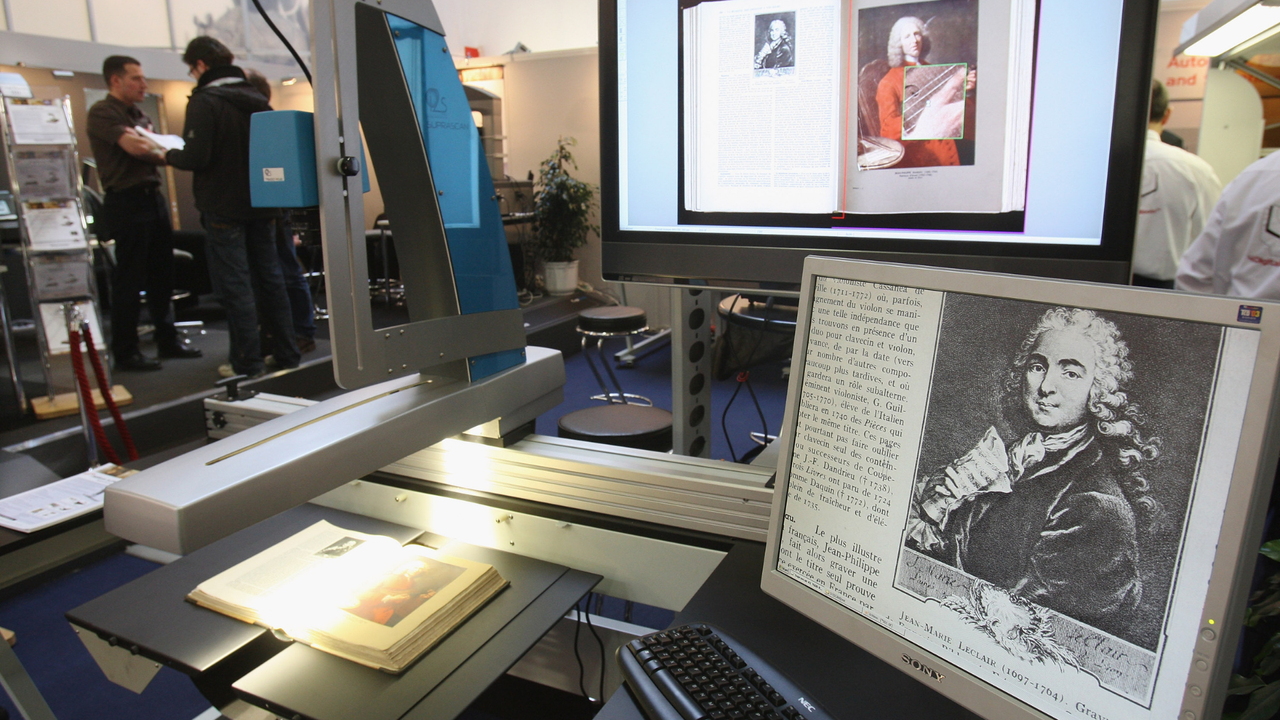
The process is reportedly ruthless. Independent bookstores across Europe are witnessing a concerning trend, receiving large, seemingly legitimate orders for books that often include obscure titles, prompting fears that these books are being shipped to specialized facilities for destruction. Investigations have uncovered alarming details: some books are reportedly sent to processing centers where workers physically remove spines and feed the books into industrial scanning machines.
This method is inherently destructive. Unlike non-destructive scanning techniques that follow the natural curves of the binding, this process ensures that the original printed record is erased in favor of a digital one. The implication is that the knowledge stored within these physical objects is being sacrificed for the sake of data extraction.
The fear surrounding this destruction extends beyond mere loss of material. If original copies vanish, the knowledge contained within them risks becoming permanently monopolized on private servers. If a unique, rare book is destroyed, that specific knowledge vanishes forever, creating a knowledge gap unless the AI company chooses to release it, which introduces further legal complexities.
This realization has spurred a proactive response. The solution lies in community action. The Anna’s Archive has launched a global campaign, urging volunteers to become digital custodians. By scanning and uploading books, individuals can contribute to a vast digital safety net.
The goal is ambitious: to create a shadow library that holds the world’s publications. The appeal suggests that if every person contributes even a small scan, millions of invaluable pieces of literary wealth can be recovered. Those who manage large-scale projects are encouraged to seek support from the archive, which offers assistance with scanning fees and rewards.
This is a race against time. The collective plea is for swift action to ensure that the history and literature of humanity are not erased by the algorithms of tomorrow, securing a future where knowledge remains a shared and accessible treasure.
Buy on Amazon
Credit