Watch Graphene Outlast Thermal Paste After 1 Hour
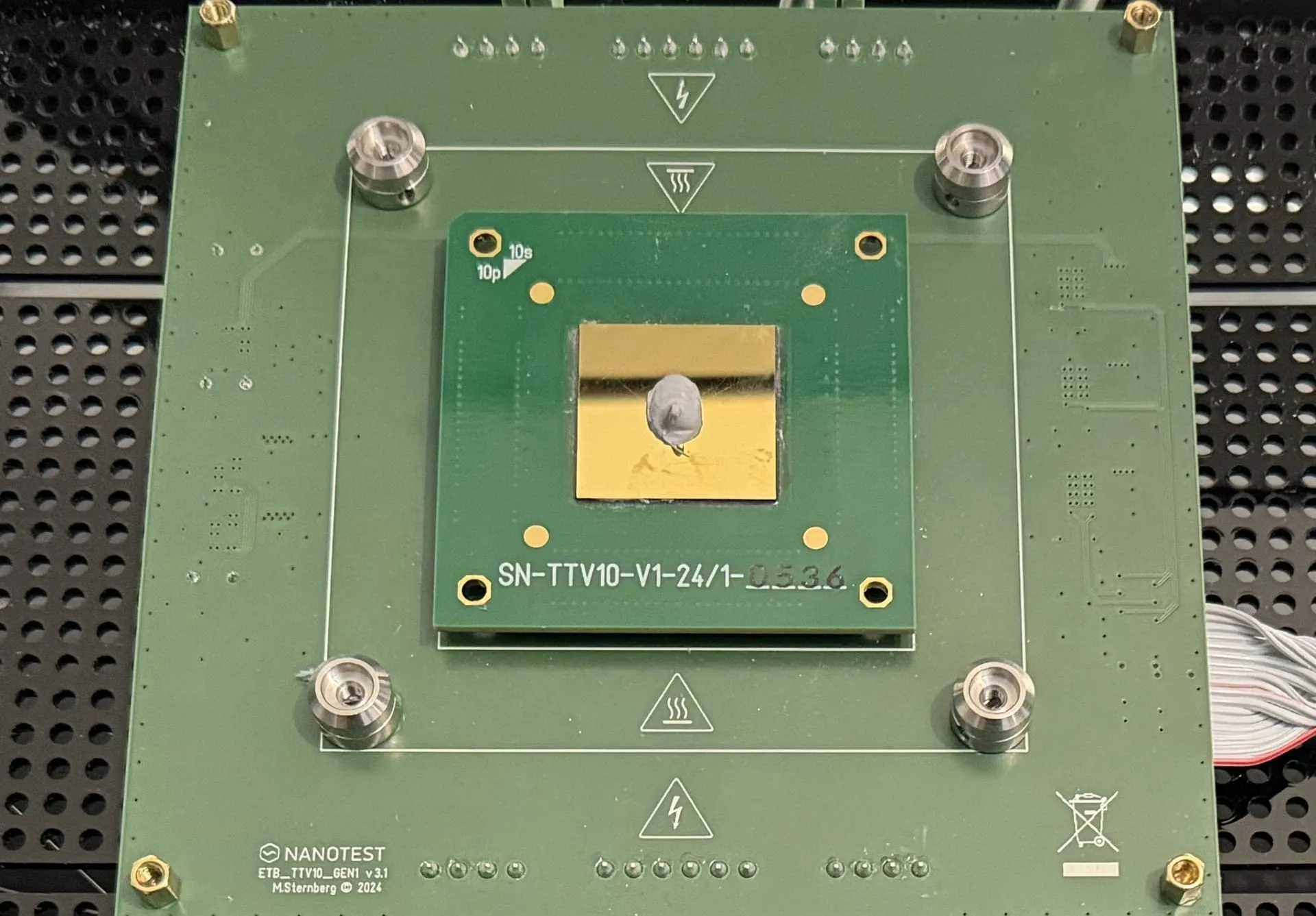
The Thermal Balancing Act: How Application Thickness Changes the Game in Thermal Testing
When testing cutting-edge thermal solutions, the variables are as critical as the materials themselves. A recent long-term investigation utilizing the TTV10 Analyzer Next system peeled back the curtain on how seemingly minor factors—application thickness, thermal cycling, and actual contact area—can dramatically alter the outcomes of thermal performance tests.
The core finding underscores a complex relationship between material application and performance. In the realm of advanced thermal management, simply using the best material is not enough; the method of application and the physical interface play a decisive role in the longevity and stability of the results.
One component, the second graphene sheet, proved remarkably resilient. It maintained its stability even after enduring more than 9,300 rigorous evaluated cycles, establishing a baseline for durability in these demanding conditions.
However, when examining the thermal interface layers, the impact of material volume became apparent. The research demonstrated a stark difference between utilizing thick versus thin applications of thermal compounds.
For instance, a substantial application of Thermal Grizzly Duronaut Pro proved capable of making a significant thermal impression and enduring the test parameters. This thickness allowed the layer to persist much longer, offering superior longevity in the testing environment.
In contrast, a thin application, while meeting the defined temperature limits, encountered limitations sooner. The Thermal Hero Quantum, despite being a generous material offering, failed to maintain stability as quickly, suggesting that material volume does not always correlate with superior long-term performance.
This disparity highlights a crucial trade-off: while a thick layer like Duronaut Pro can provide extended physical endurance, it also introduced a notable caveat. The thick application, while lasting longer, was observed to exhibit inconsistent thermal behavior, demonstrating that optimizing performance requires balancing longevity with thermal consistency.
Buy on Amazon
Credit
