Who buys Amazon server memory and the $101,000 kit
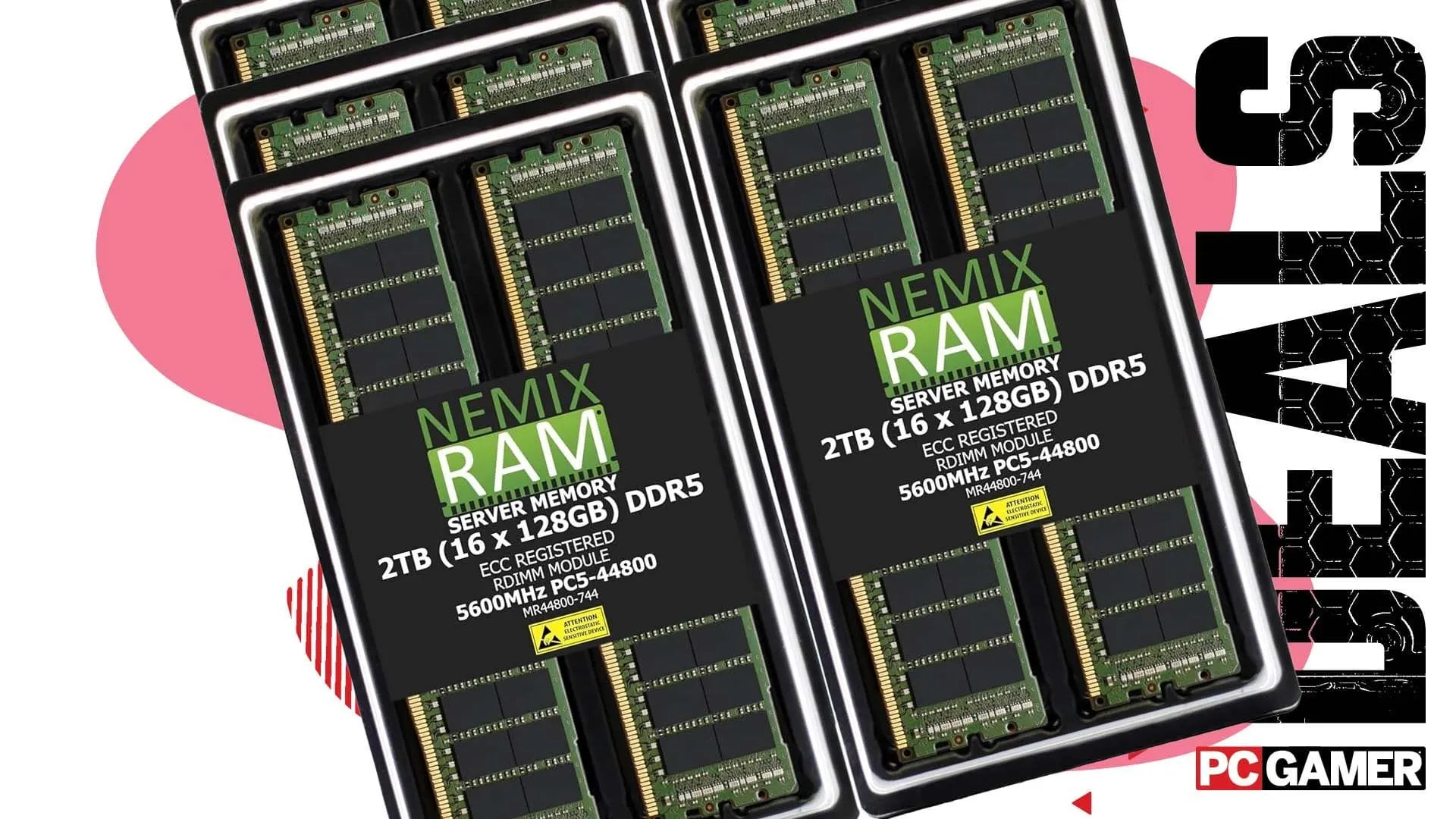
The $100,000 RAM Kit: A Look at the Server Hardware Crisis
In the world of high-performance computing and data center management, where efficiency is king, a recent listing on a major marketplace has sparked a serious conversation about hardware pricing, supply chains, and the state of the memory crisis.
The item in question is a server-grade memory kit—specifically, 2 terabytes of DDR5-5600 of ECC RDIMM in a 16-pack. The price tag attached to this substantial hardware offering is staggering: $101,451.99.
This headline-grabbing price point immediately sets the stage for a deeper examination of how critical infrastructure components are being acquired by the market. For server engineers and data center operators, this listing serves as a potent, if slightly surreal, reminder of the immense financial pressures driving today’s hardware landscape.
The core question that emerges is not just about the cost of the RAM itself, but about the procurement strategy. When components of this magnitude are being sold directly through large online platforms, it forces a reflection on the established supply chains and the roles played by distributors and manufacturers.
While some sellers offer extended warranties, the sheer cost implies that the mechanisms behind supplying such specialized, server-grade memory must be incredibly complex. It naturally leads to speculation about where these high-value components are sourced and the logistics involved in moving cutting-edge memory across the globe.
This phenomenon highlights a broader trend: in a scenario where demand for memory is surging, the system often defaults to finding the most accessible supply, regardless of the traditional vendor pathways. It suggests that the market is responding directly to necessity, prioritizing access to essential hardware above traditional intermediary structures.
Ultimately, the sight of a $100,000 RAM kit on a marketplace acts as a vivid symptom of the current memory crunch. It demonstrates that when demand outstrips supply, the lines between traditional commerce and direct consumer access begin to blur. It is a stark illustration of how rapidly the physical realities of the hardware market are evolving, demanding new solutions for procurement and distribution.
Buy on Amazon
Credit
