Why no Surface MacBook Neo competitor yet
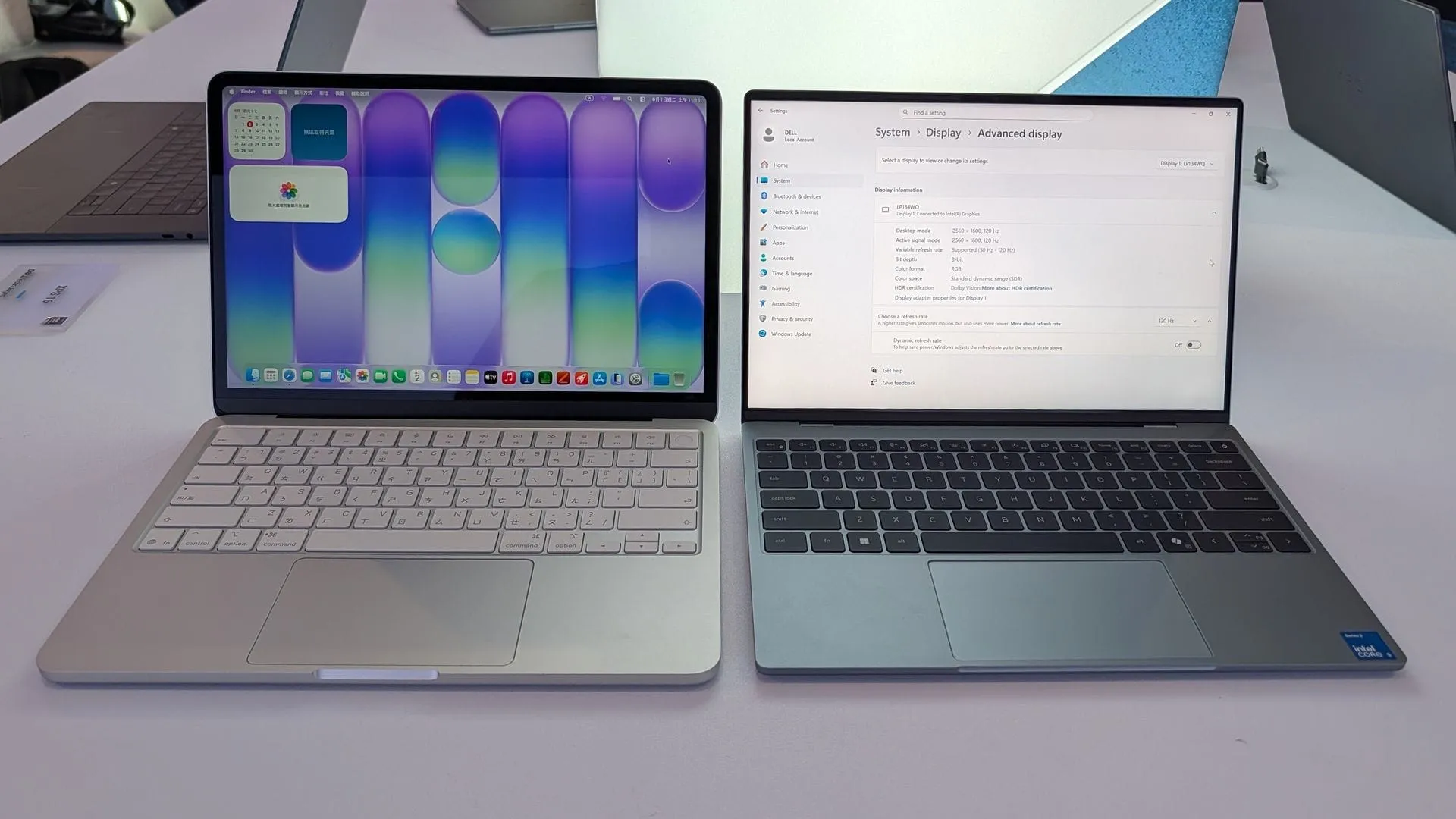
When the tech world is buzzing about new hardware and competing ecosystems, the biggest questions often revolve around where a giant like Microsoft chooses to focus its power. Recently, at the annual Snapdragon Summit, a conversation took place that cut right to the heart of this strategic dilemma: should Surface compete in the low-cost laptop market, or should it focus on its established strengths?
The answer, as provided by Microsoft’s Surface CVP Brett Ostrum, was clear. He stated that the decision to step aside in certain arenas was a deliberate strategic choice. When asked about competing with emerging low-cost gaming PCs, Ostrum noted that Microsoft has never shipped a gaming PC. The reasoning is simple: Original Equipment Manufacturers (OEMs) have stepped up to deliver truly excellent, lower-priced alternatives in that segment, and Surface did not feel compelled to enter a space where other players were already thriving.
This insight reframes the competitive landscape. Instead of viewing Surface as needing to chase every emerging niche, the strategy is to maximize impact where the brand excels. The focus, therefore, shifted to high-end innovation rather than mass-market cost competition.
The market has certainly demonstrated this dynamic. Windows-focused OEMs have successfully provided compelling alternatives to the emerging low-cost laptops, such as the Dell XPS 13 and the ASUS ZenBook 14. These devices offer comparable value to machines like the MacBook Neo while outperforming them in numerous key areas.
Today, Microsoft is concentrating its Surface efforts on the pinnacle of premium performance. The company has begun organizing its Surface PC lineup into three distinct categories: Entry Premium, Premium, and Ultra Premium. This hierarchy signals a commitment to quality and exclusivity rather than volume.
While Surface once offered more affordable options like the Surface Go and Surface Laptop Go, that era ended with component shortages and a pivot toward a highly refined premium focus. The current emphasis is firmly placed on flagship devices, most notably the Surface Laptop Ultra.
This strategy allows Microsoft to leverage the Surface brand as a beacon of high-end design and performance. Instead of trying to win a race on price, the focus is now on defining the absolute top tier of the Windows PC experience. As we look forward, the conversation shifts from competing with entry-level models to pushing the boundaries of what premium Windows hardware can achieve.
Buy on Amazon
Credit
