Why private equity acquisitions terrify companies like BioWare
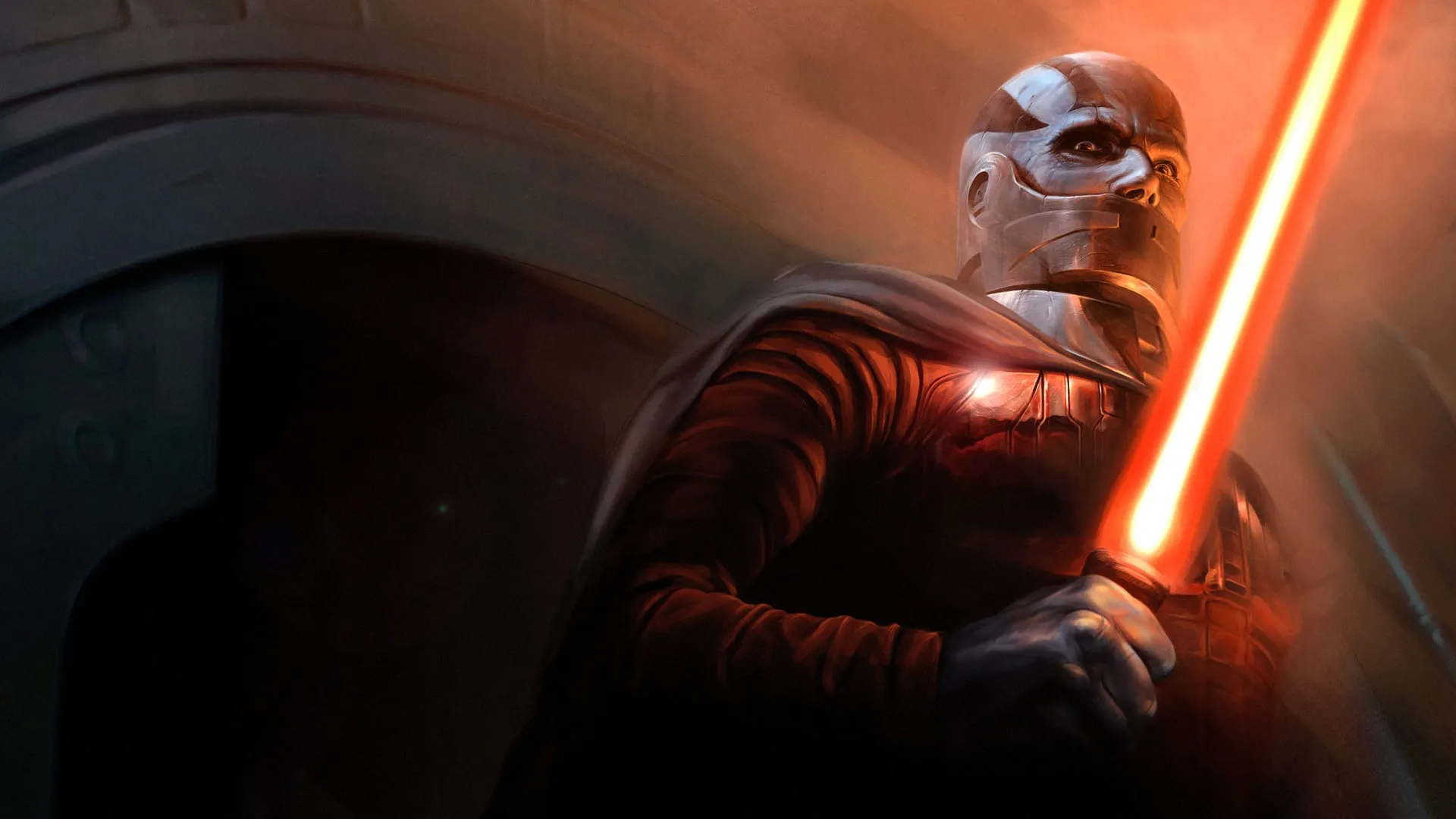
The demise of a beloved creative studio like BioWare, the maker of iconic RPGs such as Mass Effect and Dragon Age, is often viewed as a simple business closure. But beneath the headlines of studio layoffs and acquisitions lies a much more complicated, and frankly, grimmer story about how massive corporate finance is reshaping the world of gaming.
The closure of BioWare, a company renowned for its inclusive development and creative vision, didn’t come as a total surprise. It is the inevitable outcome when creative ambition clashes with the relentless demands of the financial market, especially when owners are less concerned with the art and more interested in maximizing short-term profit. Employees at the legendary studio immediately began updating their resumes following the massive acquisition by Electronic Arts, signaling a shift in priorities for the entire industry.
This event serves as a stark reminder that even if the new owners had been entirely different—say, miscellaneous investors rather than royalty—the outlook for creative development would likely remain bleak. This is the insidious reality of how private equity operates, a mechanism that often consumes companies rather than nurturing their talent or long-term potential.
The system driving this is the leveraged buyout, a strategy where a company is purchased using a heavy combination of borrowed money and private equity. In a leveraged buyout, the purchased company’s assets are used as collateral for the massive loans taken out to finance the deal. This creates a powerful imbalance: the purchased company is immediately responsible for repaying the debt, putting immense pressure on its operations.
This leverage is where the true cynicism of private equity emerges. Instead of optimizing performance for the long haul, firms often employ a strategy of cannibalization. They seek to extract maximum profit by draining assets, hollowing out workforces, and raising prices, aiming to cut loose before quality declines tank sales and consumer sentiment.
The result is a systematic drain on value. Private equity firms have made a habit of liquidating assets—selling off real estate, subsidiaries, and intellectual property—to enrich their investors. Through complex arrangements like “sale-leaseback agreements,” companies are forced to sell property, pocketing profits while still having to pay rent to continue operating their own business space. This process, often layered with various fees and monitoring costs, serves to squeeze every available dollar from the enterprise.
The impact of this approach isn’t limited to gaming. Private equity has left a trail of collateral damage across various sectors. It has brutalized retail franchises, demolished digital media outlets, and contributed to a wave of bankruptcies across industries. Reports tracking corporate bankruptcies showed that private equity-backed companies accounted for a significant portion of failures, yet the firms themselves often emerge financially unscathed.
In the gaming world, this predatory approach has led to visible carnage. Beyond BioWare, we have seen other studios face similar pressures. Just recently, some developers have experienced further layoffs following acquisitions, demonstrating the volatile and often brutal nature of these deals.
While the fate of behemoths like Electronic Arts may not be as dramatic as the collapse of smaller retail giants, the underlying economic forces remain potent. As Saudi Arabia invests heavily in gaming, and as the industry struggles with triple-A budgets and fierce competition, the question remains: can a company built on creative vision survive when its structure is optimized solely for financial extraction? The uncertainty surrounding the future of EA suggests that for many, the financial machinery of acquisition is proving to be a far more powerful force than the creative spark itself.
Buy on Amazon
Credit
