Windows 11 and MacBook Pro touch future
The world of computing is currently navigating a fascinating collision between deep system updates and revolutionary hardware shifts. As the Windows ecosystem rolls out its latest Insider previews, developers and power users are seeing a blend of practical quality-of-life improvements alongside some genuinely contentious security and interface changes.
Microsoft is continually refining the user experience, focusing on making the core operating system smarter and more integrated. Recent updates introduce significant quality-of-life enhancements, ranging from overhauls in the File Explorer context menu to deeper integration of features like the Phone Link application within the taskbar. Furthermore, new features aim to streamline daily tasks, including native speed tests and richer, more actionable search results, pushing Windows toward a more intuitive command center.
However, this software evolution is shadowed by some more dramatic decisions, particularly regarding security. The rollout of changes to Windows Hello has sparked debate, with some adjustments forcing screen-brightening in low-light environments—a choice that prioritizes visual clarity but introduces a new layer of complexity for users.
Meanwhile, the physical world of technology is undergoing a dramatic transformation. Apple is pushing boundaries by embracing touchscreen technology and integrating vibrant OLED displays into its new hardware, exemplified by the M5 MacBook Pro. This move immediately reignites the long-standing debate about the merits of different display technologies and Apple’s evolving design philosophy.
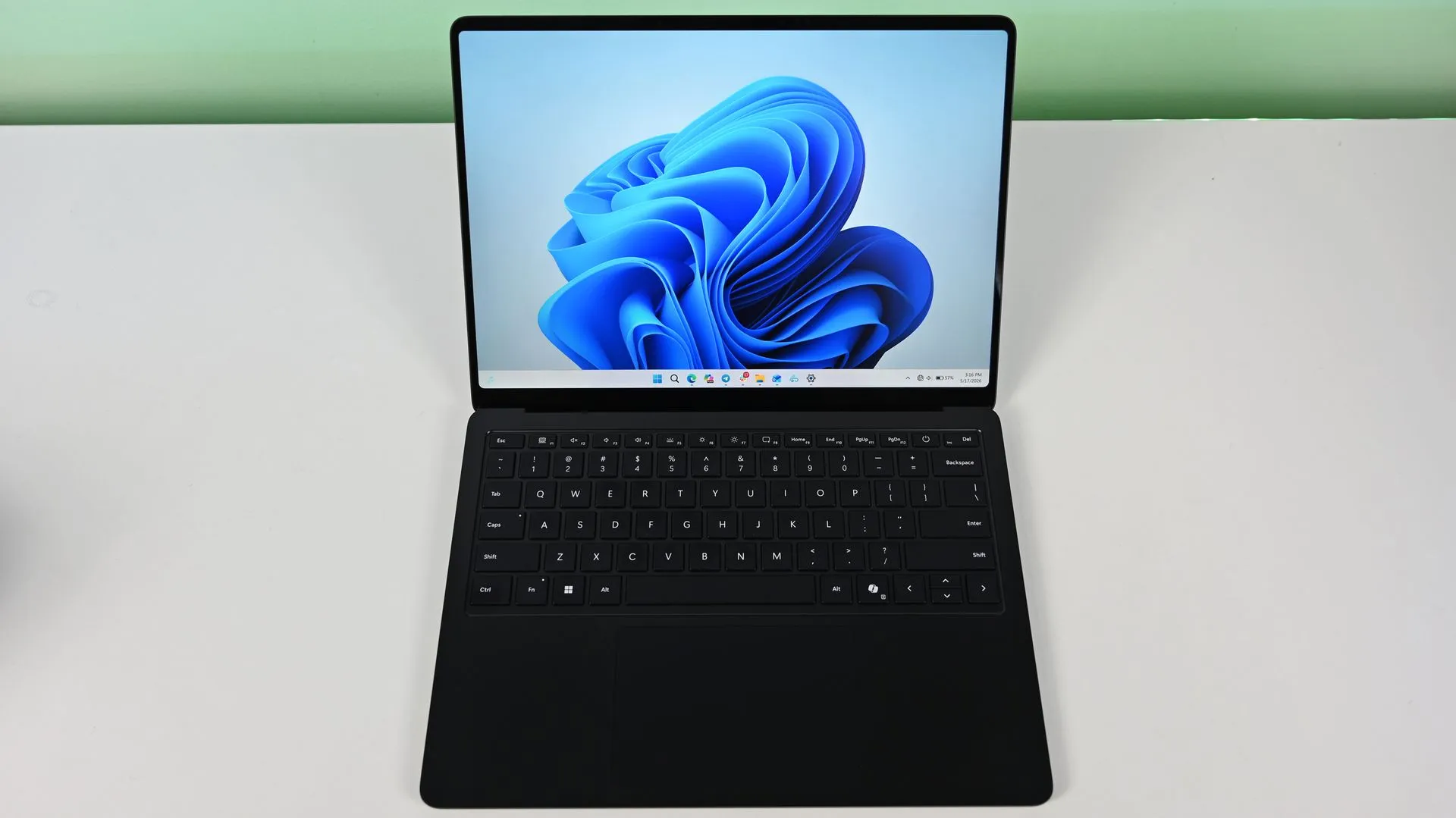
The competition in the display space is heating up as well. While Apple champions its OLED technology, other market contenders are making bold moves. The Surface Laptop Ultra‘s implementation of Mini-LED technology has brought fresh controversy to the table, prompting intense scrutiny over claims regarding local dimming performance and managing potential ghosting issues.
Underlying these hardware and software battles is the massive financial shift happening across the entire tech landscape. Big Tech companies are pouring enormous capital into artificial intelligence, fundamentally reshaping their market strategies. This investment trend is not just about cutting-edge features; it reflects a commitment to redefining what computing means in the next generation.
The convergence of refined operating systems and cutting-edge hardware means that the future of computing is not just about faster processors or prettier screens, but about how seamlessly software and silicon can work together. The ongoing dialogue between system architects and hardware innovators will define the next era of the digital experience.
Buy on Amazon
Credit
