Windows 11 emergency updates Is this the new reality
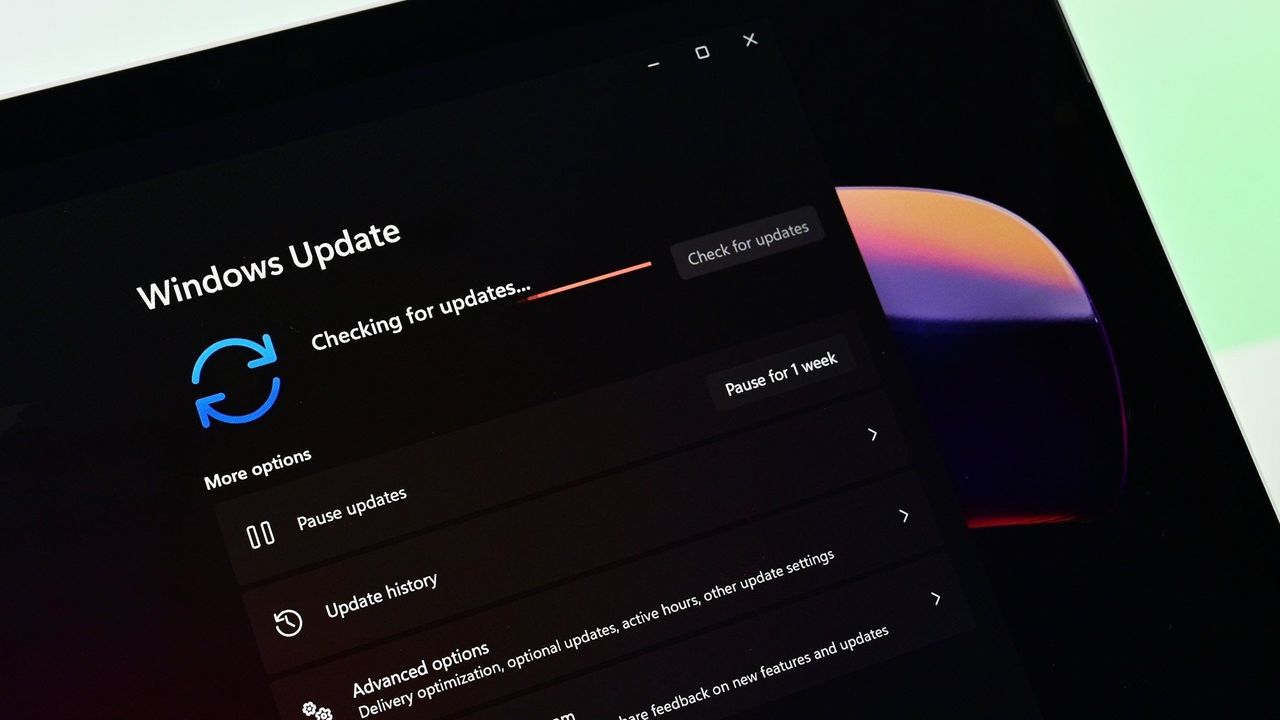
Windows 11’s Emergency Patch: When Bugs Become Business
In the constant pursuit of a smoother, more polished operating system, Windows 11 has once again delivered an out-of-band update, signaling that even the most advanced operating systems are still wrestling with the reality of real-world performance. While the September Patch Tuesday included nearly 1,000 security fixes and general improvements, the update also served as an urgent response to critical bugs that had slipped through, reminding users that stability is often the hardest patch to implement.
These types of emergency fixes, often dubbed out-of-band updates, are necessary when issues are urgent enough to demand immediate attention. Whether referred to as emergency updates or simply necessary maintenance, they highlight the ongoing tension between Microsoft’s goal of perfecting the user experience and the sometimes frustrating reality of system stability.
This latest round of adjustments addressed specific functional snags that affected users on various configurations. For instance, the update resolved issues that could prevent essential system functions from operating smoothly. This included ensuring that host folder shares within Hyper-V-based Linux virtual machines remained accessible, stabilizing the Remote Desktop Services component, and addressing failures related to certain USB Audio Class 1.0 devices operating in multichannel audio modes.
It is a testament to the complexity of modern computing that even a minor update can reveal deep-seated conflicts. These fixes underscore the fact that software development is not just about adding new features; it is about meticulously managing the intricate dependencies that govern how different components interact.
The frequency with which these emergency patches occur raises an interesting question about development priorities. While Microsoft is actively working on initiatives to improve Windows 11 and reduce pain points across the operating system, the focus occasionally shifts towards aesthetic enhancements. The public naturally asks why operational stability—the ability to run core functions without unexpected failures—takes a backseat to features like repositioning the Taskbar or customizing the Start menu.
Ultimately, the experience of Windows 11 is a dynamic blend of innovation and necessary correction. While the promise is a seamless experience, the reality is an ongoing process of refinement. For users, these updates ensure that while the software strives for beauty, the underlying machinery remains robust and reliable.
If you are interested in diving deeper into the discussions surrounding these updates and sharing your insights on the evolution of Windows 11, joining communities dedicated to technology and user experience can provide a valuable platform for discussion.
Buy on Amazon
Credit