Windows 11 Turns Five Years Old
The Windows 11 Saga: From Pain Points to Predictable Peace
Five years ago, in October 2021, Microsoft launched Windows 11, promising a fresh start for PC users. Yet, for many, the journey hasn’t been a smooth ride. As this operating system has spent its tenure generating headlines—often about the frustration it caused—it feels like we’ve all aged with it. But the story of Windows 11 isn’t just about software releases; it’s a fascinating, often bumpy, reflection of the tension between technological ambition and user reality.
Right from the start, Windows 11 seemed intent on forcing capable hardware into retirement. Users found themselves in a strange digital tug-of-war, scrambling to bypass minimum system requirements and wrangle system files just to get the OS to cooperate. This initial struggle set a precedent: the rollout wasn’t a gentle transition, but a push. Meanwhile, the path to avoiding complications often meant fighting the system to keep a local account, even as Microsoft framed the online Microsoft account as essential for security and synchronization.
The fight for user autonomy continued long after the initial release. While Microsoft touted the benefits of online accounts—OneDrive backups and cross-device syncing—the reality often felt like a commercial vehicle, leading many users to question the trade-off between convenience and privacy. It’s a familiar dynamic: when a platform promises security and convenience, it often requires navigating a set of hoops that feel more like obstacles than helpful features.
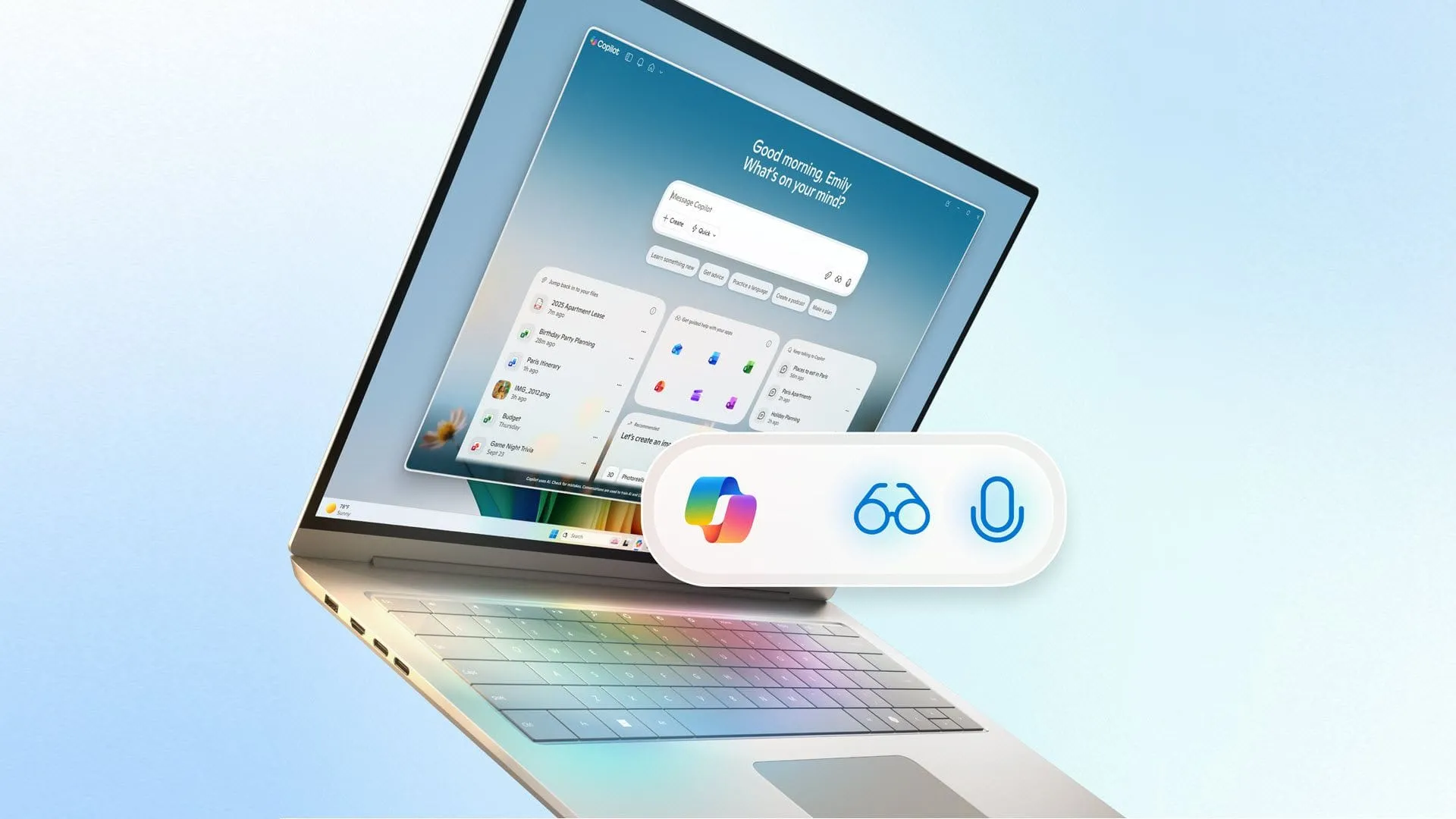
As time passed, the controversies settled down, but Microsoft seemed determined to continue evolving the experience. The next major shift arrived with the introduction of the Copilot+ PC era. This phase brought with it enormous hype for artificial intelligence, yet it was accompanied by some notable gaffes, most famously the Windows Recall app, which quickly drew regulatory scrutiny and raised privacy nightmares for many.
The promise of the Copilot+ PC eventually faced reality. Microsoft and its partners quietly pulled back on the branding, signaling a pivot away from an immediate, all-encompassing AI mandate. This shift reflects a larger realization: the operating system itself shouldn’t be the ultimate destination, but rather a solid foundation.
This realization led to a crucial change of direction. Executives began focusing on optimizing Windows 11 for its core purpose: being the best platform for productivity and gaming. The focus shifted toward making the OS smoother, prioritizing background workloads, power management, and graphics stack optimizations. Microsoft is now danging the carrot of faster apps and lower resource usage, aiming to refine the user experience.
Today, the system is moving toward a more predictable future. The recent rollout of the 26H2 update, for instance, was distributed with a commitment to be a “predictable and low-disruption” experience. While the history of Windows 11 is marked by friction, users are still widely adopting the system. With Windows holding nearly 72% of the market share, and Windows 10 rapidly declining, Windows 11 has firmly established itself as the dominant operating system on the PC landscape.
Buy on Amazon
Credit