Windows drops support for Snapdragon 850
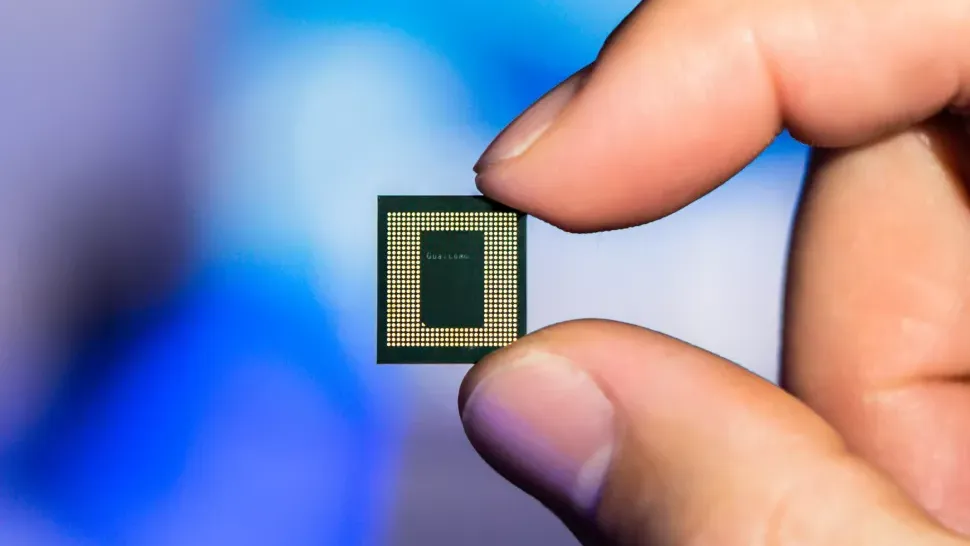
The world of PC hardware support is constantly shifting, and Microsoft’s latest update on Windows 11 reveals a specific endpoint for a particular class of processors. Microsoft has officially announced that Windows 11 version 26H2 will serve as the final operating system version to support devices powered by Qualcomm’s second-generation Windows 10-on-Arm System-on-a-Chip (SoC), specifically the Snapdragon 850.
This move marks a defined conclusion to the lifecycle of a processor that has played an increasingly important role in the Windows ecosystem. The Snapdragon 850 is significant because it was the first chip from Qualcomm to be designed and marketed as being built-for-Windows, differentiating it from previous generations that often relied on recycled smartphone components.
While Windows 11 had already phased out support for earlier chips, such as the Snapdragon 835, the focus is now turning to the 850. Devices equipped with the Snapdragon 850 are currently eligible for the latest update, 26H2, but they will not be included in future major releases like 27H2.
This creates a clear timeline for hardware owners. Support for this specific operating system update will be extended for 24 months, offering a defined window for users to manage their systems. After that period, these devices will be left without official security updates from Microsoft.
The decision to limit support to 26H2, rather than simply leaving the hardware running, highlights Microsoft’s strategic pivot. Although the exact reasons behind dropping support for this specific SoC remain unclear, the shift suggests that future Windows platform releases will prioritize new architectural standards rather than acting as simple enablement packages for existing silicon.
It is important to note that being officially unsupported does not preclude functionality. Many users have successfully managed to run newer versions of Windows by bypassing system requirements, demonstrating that while official support is ending, the hardware itself remains capable. However, for the vast majority, maintaining official support is key to security and stability.
Ultimately, the transition of support for the Snapdragon 850 provides a concrete example of the rapid evolution in PC hardware. As new architectures emerge, the focus shifts toward defining the next generation of compatibility, setting the stage for what comes next in the ever-evolving world of computing.
Buy on Amazon
Credit
