Windows Wrap: The OS holding back Microsoft’s best PC
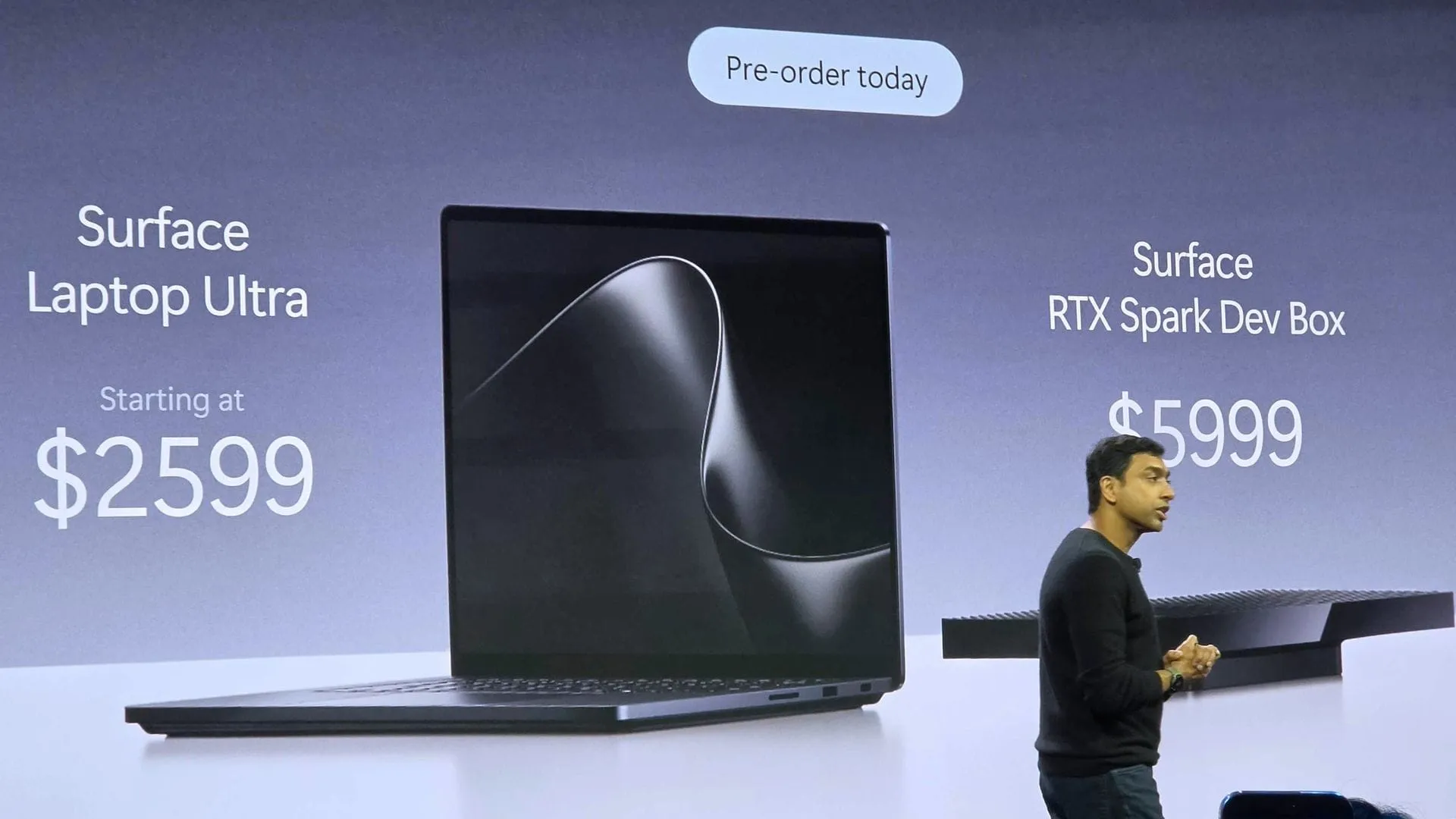
The PC world just got a serious hardware upgrade. Microsoft recently pulled back the curtain on its latest flagship, the Surface Laptop Ultra, signaling a powerful convergence of cutting-edge silicon and sleek design. This isn’t just another laptop reveal; it’s a statement about where the future of personal computing is headed.
The excitement ramped up further when Microsoft, alongside industry giants like HP and Lenovo, introduced the first wave of laptops powered by NVIDIA’s new RTX Spark superchip. This partnership immediately placed the Surface Laptop Ultra in a compelling new category, blending premium aesthetics with serious computational muscle. Initial reactions from reviewers have been overwhelmingly positive, suggesting that the synergy between NVIDIA’s AI-focused hardware and the laptop design is delivering on promises of creator-focused performance.
But the story doesn’t end with the hardware. Attention quickly shifted to the operating system that powers this new hardware: Windows 11. Microsoft recently released a comprehensive update, highlighting enhancements to the user experience—from a smarter search function and a snappier File Explorer to expanded customization options. Rather than simply delivering technical specs, Microsoft used these updates as a powerful sales tool, positioning the new PC as a meaningful purchase centered on a superior, integrated experience.
The message is clear: a modern Windows 11 PC isn’t just about specs; it’s about how everything works together. Microsoft is arguing that the value lies in the cohesive experience—where hardware designed for touch, pen, and tactile feedback works seamlessly with intuitive software to make daily tasks feel effortless. This strategy taps into the growing desire for integrated, personalized computing.
In the competitive arena, the Surface Laptop Ultra faces a familiar benchmark: the MacBook Pro. Experts have drawn parallels, noting that the Surface device possesses the design elegance and the raw AI power necessary to vie for the top spot. The central question now facing the industry is whether Windows 11 can successfully capture the loyalty of developers and creative professionals who currently gravitate toward macOS.
With the Surface Laptop Ultra offering impressive configuration options—including up to 128GB of RAM and the powerful RTX Spark SoC—it is positioned perfectly for those who want to run local AI and Large Language Models directly on their device. While some minor aspects, such as battery life or specific feature parity with competitors, remain areas for refinement, the laptop’s strong build quality, excellent keyboard, and amazing haptic trackpad make it an undeniable contender.
Ultimately, the narrative surrounding the Surface Laptop Ultra is one of convergence: powerful AI hardware meeting intuitive software. It demonstrates Microsoft’s commitment to pushing the boundaries of what a PC can be, aiming to make the experience of creating and playing feel more effortless than ever before.
Buy on Amazon
Credit
