Windows XP 25 years ago today
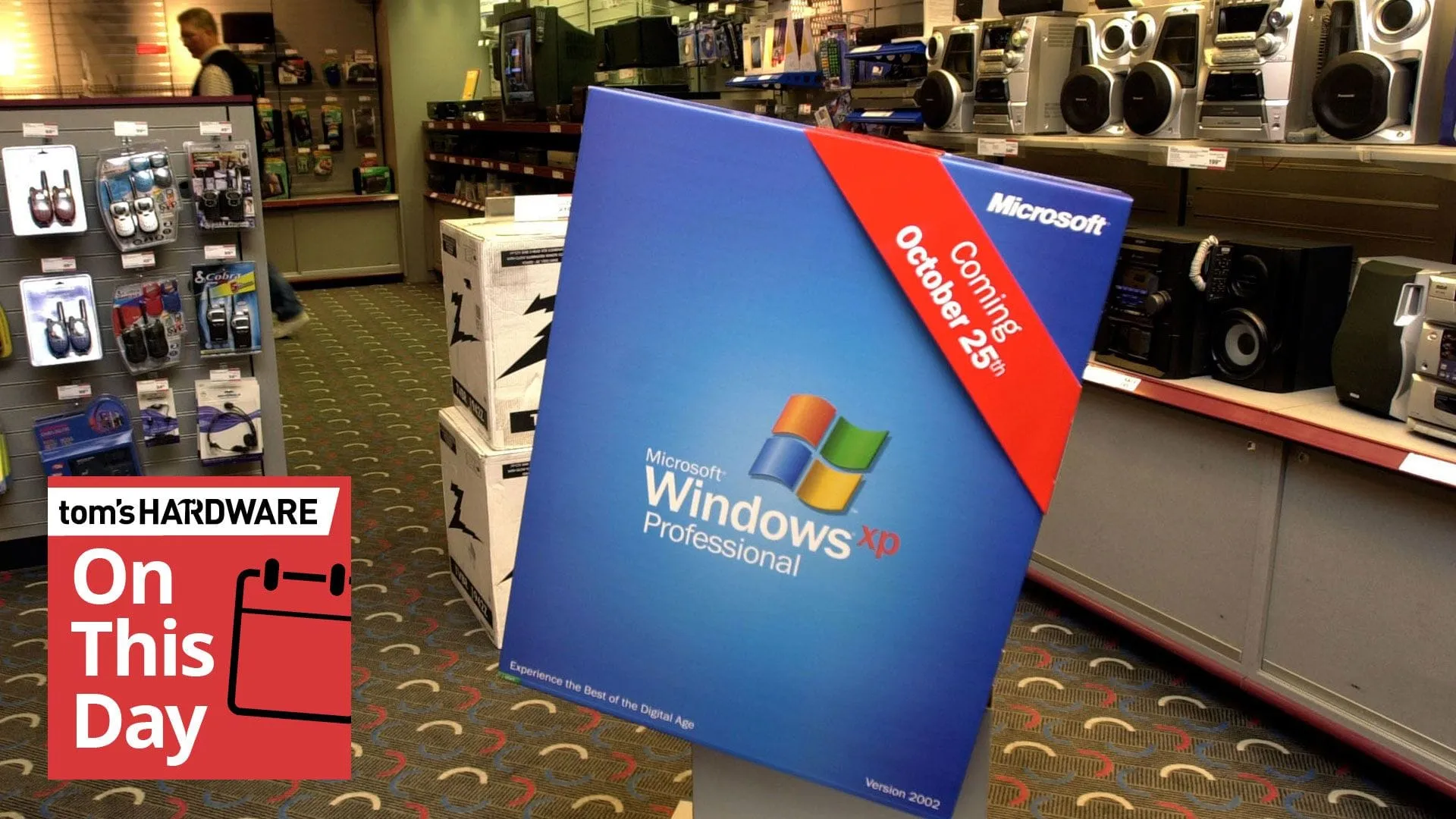
In the annals of computing history, few operating systems have left as indelible a mark on the modern world as Windows XP. Released in 2001, this wasn’t just a software update; it was a cultural watershed moment, ushering in an era of seamless user experience that redefined how billions interact with technology.
The launch itself was an event of colossal proportions. Microsoft orchestrated a lavish $500 million campaign, culminating in a spectacular New York City launch in 2001. While the celebration was tempered by the lingering shadow of 9/11, the spectacle remained. The ceremony featured high-profile figures like Bill Gates alongside NYC Mayor Rudy Giuliani, framing the release as a powerful symbol of renewed optimism for the city. The festivities extended beyond the stage, including free concerts and takeovers in Times Square, while retail outlets across the country, including CompUSA, Circuit City, and Best Buy, opened their doors for eager enthusiasts to grab a copy of the new operating system at midnight.
But the true genius of Windows XP lay beneath the fanfare. Gates framed the release as the end of an era dominated by older, less intuitive systems like MS-DOS and the often-maligned Windows Me. XP wasn’t just visually appealing; it was fundamentally different. It introduced the robust Windows NT core to consumer PCs, providing a foundation built on reliability, performance, and enhanced security. This shift meant that users no longer had to contend with the archaic limitations of older systems.
The new user interface was designed to make complex tasks significantly easier, streamlining the entire digital experience. Key technical advancements that quickly won over users included practical features like USB plug-and-play support, built-in CD burning software, and ClearType support, which smoothed out the digital viewing experience as new LCD monitors replaced bulky CRTs on desks.
Windows XP proved to be remarkably enduring. Its extended support meant that users had a clear pathway forward, allowing them to bypass the competing operating system Windows Vista and move directly to Windows 7 when it hit the market in 2009. This lengthy lifespan—spanning from October 2001 to April 2014—underscored its stability and lasting relevance in the competitive landscape.
Ultimately, Windows XP stands as a testament to the power of thoughtful design. It successfully bridged the gap between complex technology and everyday usability, cementing its place not just as a piece of software history, but as a genuinely transformative moment for personal computing.
Buy on Amazon
Credit
