Wonder Boy’s dubious PC debut in Monster Land
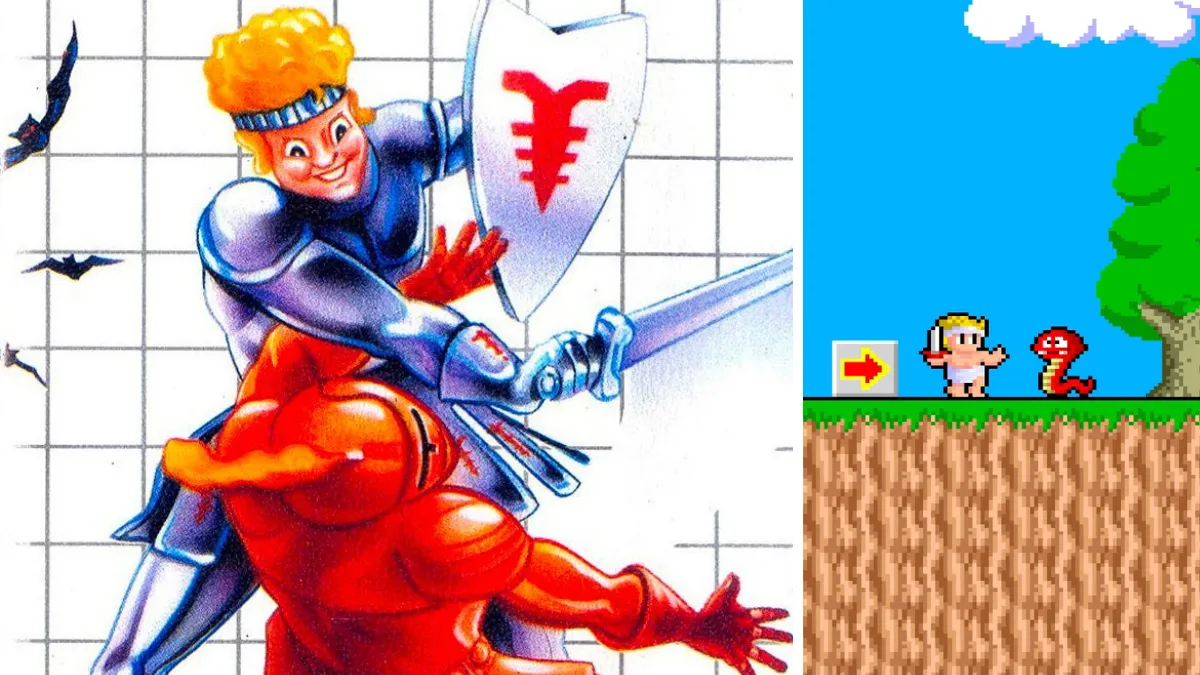
There is a certain magic in retro gaming, a comforting nostalgia for the pixels and the sounds of the past. But when you dig into the history of beloved franchises, you often uncover a tangled web of ownership, trademarks, and digital disputes that are far more complicated than a simple arcade port.
Take the classic lineage of Wonder Boy. Released in the arcades in 1987 and on the Sega Master System the following year, it was a foundational title that spawned countless ports across the gaming landscape, reaching systems like the ZX Spectrum, Commodore 64, and Atari ST. This history, however, is less a straightforward narrative and more a fascinating case study in intellectual property ownership.
The complexity deepens when you examine who actually owns the rights to the Wonder Boy name and assets. LAT Corp currently holds all the IP and assets formerly belonging to Westone Bit Entertainment, the original creators of the games. Yet, Sega confusingly retains ownership of the Wonder Boy trademark. This split creates a legal tightrope walk for any modern re-release bearing the classic name, requiring the approval of both parties.
This legal ambiguity is amplified by simple, yet telling, details. The naming convention itself often throws fans off. For instance, the modern Steam listing for Wonderboy in Monster Land features a misspelling, which immediately raises eyebrows for those who remember the original title.
The fallout from this confusion extended beyond simple typos. The emergence of games like Monster Boy and the Cursed Kingdom in 2019 further complicated matters, forcing stakeholders to navigate whether a game with a derivative theme, like Monster Boy, can legitimately claim the Wonder Boy title. The ensuing dynamic highlighted the inherent difficulties in managing a multi-faceted intellectual property.
The story doesn’t end with ownership disputes. It also involves the digital realm, where enthusiasm sometimes bumps up against legal boundaries. Concerns arose when a port of the game, such as the Retro Maniac version, appeared on Steam without proper attribution, leading to public alarm from the community.
Even celebrated figures, like the original composer Shinichi Sakamoto, weighed in, suggesting that certain versions of the port were illegitimate. This tension pushed the conversation from mere nostalgia into the realm of digital rights and distribution. There were reports of users attempting to distribute older content, leading to complex interactions with platform holders like Valve and rights holders such as Sega and LAT Corp.
Ultimately, the saga of Wonder Boy in Monster Land serves as a humorous, if frustrating, reminder that even the most cherished pieces of gaming history are deeply embedded in legal and corporate structures. It demonstrates how easily creative assets can become entangled in ownership battles, turning a simple desire for a nostalgic game into a complex digital and legal puzzle.
Buy on Amazon
Credit
