WotC avoids union recognition for the second time this year
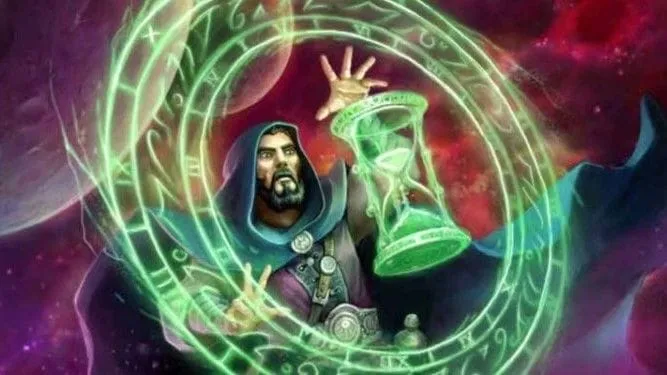
In the high-stakes world of gaming and creative development, where digital dreams meet massive corporate structures, a fascinating tension is playing out between employees and the companies that create the magic. At the heart of this dynamic is the struggle of the United Wizards of the Coast Union (UWOTC), a coalition formed by employees from both the Magic: The Gathering Arena team and Studio X creative staff.
Despite forming this union in June of this year, the UWOTC has found itself navigating a complex path toward recognition. When the time came for a formal vote, the company, Wizards of the Coast, opted not to voluntarily recognize the union ahead of that process. This move immediately introduced a thorny negotiation, forcing the union to determine its strategy amidst corporate silence.
The response from Wizards of the Coast has been equally telling. While acknowledging the right to unionize, the company has suggested a preference for direct employee engagement over union negotiation. They stated that they will respect the results of any election, but their position implies a clear reluctance to engage in collective bargaining, pushing the narrative about workplace rights onto the employees themselves.
What the union is fighting for is far more than just a paycheck. The UWOTC is actively bargaining for fundamental changes to the working environment, demanding fair wages, career progression, and job security. Crucially, they are also pushing for vital protections such as remote work accommodations, sustainable workloads—challenging the expectation that employees must deliver more work with less regard for personal lives—and comprehensive healthcare.
Beyond immediate employment concerns, the union is tackling increasingly modern issues within the creative sphere. Their demands extend to critical topics like data and AI protections, as well as the ability for employees to legally own the creative work they produce outside of their direct employment duties.
This situation is complicated by the sheer financial power wielded by the gaming industry giants. Wizards of the Coast and Digital Gaming maintain a commanding economic position, boasting substantial operating profits. This profitability grants the corporation significant leverage, placing them in a prime position to manage, and ultimately dictate, the terms of engagement.
The disparity between the employees’ demands for stability and fairness, and the corporate focus on maximizing profit, highlights a perennial tension in the modern workplace. For the UWOTC, the ongoing effort is a testament to the fight for a more equitable structure where creative excellence and employee well-being are prioritized alongside commercial success.
Buy on Amazon
Credit
