WoW Midnight writing is maddeningly weak
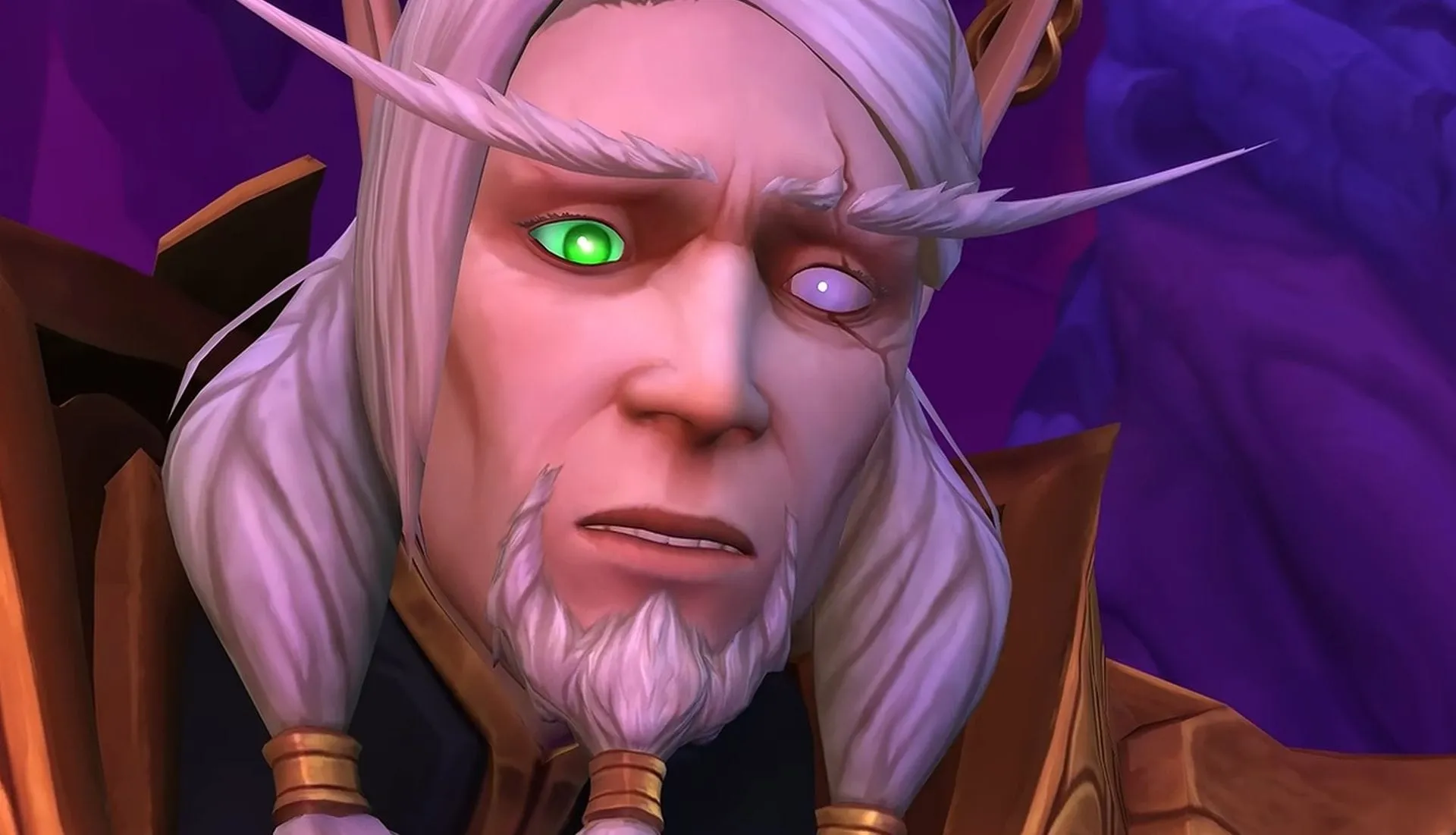
For many, World of Warcraft is more than just a game; it is a deeply personal tapestry woven over two decades, a source of career inspiration, and the backdrop to significant life milestones. But for some long-time players, the narrative experience has recently transitioned from cherished lore to a source of profound frustration. The question that echoes across the community now is: has the narrative core of World of Warcraft lost its way?
While the game has always thrived on spectacle and the allure of the setting, critics often point out that World of Warcraft‘s writing has struggled to deliver the granular, satisfying narrative depth that its world deserves. The game has often prioritized the “rule of cool,” focusing on grand visual moments over meticulously developed character arcs. Yet, even with epic backstories, many feel that the storytelling has suffered a significant decline, particularly since major expansions.
The turning point is often cited as the release of Shadowlands in 2020. Many felt that this experience, along with subsequent story resolutions, fundamentally shifted the game’s tone, making the world’s stakes feel less tangible and character development inconsistent. The narrative voice, it seems, became muffled as the focus shifted away from deep character motivation and toward immediate, often explosive, events.
This narrative disconnect has led to mounting concerns about Blizzard’s ability to sustain compelling lore in the retail experience. When major characters, like Sylvanas, appear with little discernible motivation, or when pivotal events feel rushed, the foundational immersion that defined the experience begins to fray. There is a widespread feeling that the game has become an episodic soap opera rather than a cohesive epic, with mountains of supporting characters introduced and swiftly sidelined, robbing important moments of necessary build-up.
A particularly pointed example of this narrative inconsistency emerged recently with the conclusion of the Shadowlands arc. In the latest patch, a significant character, Lady Liadrin, underwent a departure that many found anticlimactic and unearned. Her demise, while framed within the game’s lore, lacked the emotional weight and narrative payoff expected from a character with decades of presence in the game. It felt like an understated ending to a storyline that should have offered more catharsis.
This feeling of narrative flatness points to deeper structural issues. Some theorize that the pacing and development cycle of the game—including the long patch cadence—may have prevented quality iterations and deep story exploration from reaching the live client. The result seems to be a tendency to string events together with simple cause-and-effect statements, often relying on “and then” instead of true dramatic consequence. This approach, some suggest, leads to a world where plot threads run nowhere, and major villains and lore points are glossed over rather than explored.
Despite the exciting promise of future content, including new raids and world exploration, the core concern remains the immersive quality. Players are left wondering if the focus on spectacle has inadvertently compromised the emotional depth and narrative satisfaction that defined the original appeal of World of Warcraft. For many, the quest for a richer, more meaningful narrative remains the central challenge for the community.
Buy on Amazon
Credit
