WoW players cheated by selling race housing for real money
World of Warcraft, a sprawling epic of fantasy and adventure, has long offered players the dream of building their own havens in Azeroth. Housing was one of the most heavily requested gameplay features since the early 2000s, offering a tangible place for guilds and characters to call home. But for many, this long-awaited feature has turned from a dream into a source of heated controversy, especially when it intersects with Blizzard’s monetization strategy.
Recently, this dream collided with reality in a way that has left many players feeling decidedly let down. While the housing system offered a new avenue for creativity, the introduction of real-money cosmetic sales has triggered serious concerns about Blizzard’s commitment to its microtransaction promises.
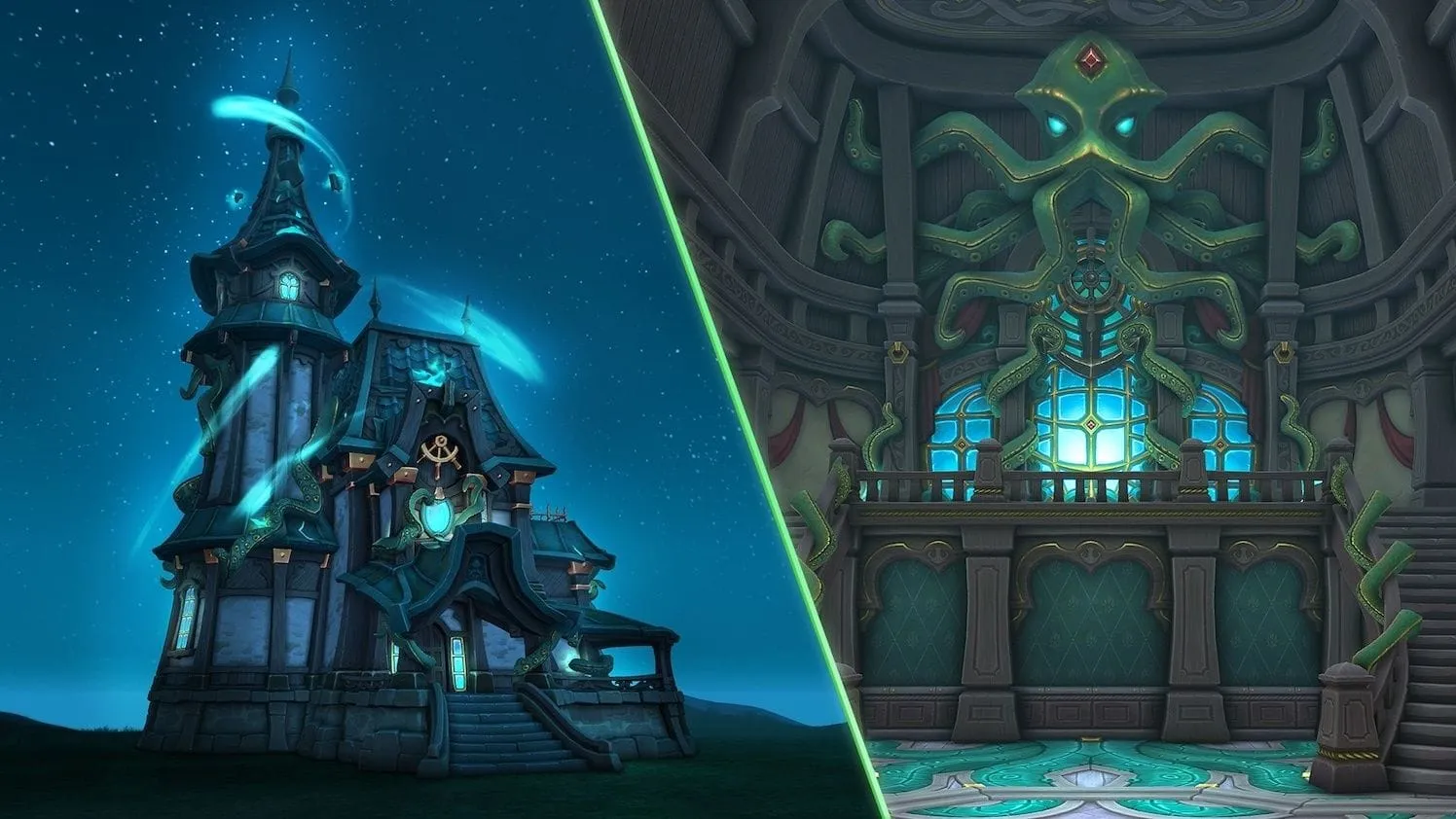
The situation escalated with the release of new bundles, including the Haunted Grimtide Estate for $25 and the Grimtide Decor Pack for $10. These bundles feature spooky furniture and decorations tied directly to the Kul Tiran player race, leaning into a pirate and Lovecraftian aesthetic.
The core issue, however, lies in a stark contradiction. These items, themed around a core fantasy element of the player’s race, directly clash with previous statements made by Blizzard regarding housing microtransactions. Less than a year prior, the company had explicitly stated that housing items tied to core fantasies of a player’s race or class, or that already exist in Azeroth, won’t be sold in the shop. This promise, made in a developer blog post, was supposed to reassure players that their homes would remain a space of personal expression, not a purchasable commodity.
This misalignment has sparked widespread frustration among the player base. Content creators and community members have pointed out that this new sales model appears to disregard the spirit of those original assurances. Players are now grappling with the question: if the foundation of the housing system was built on the promise of freedom, what is the cost of this new layer of monetization?
Beyond the housing controversy, the overall experience of World of Warcraft continues to be a mixed bag. While the potential for creativity exists, many players have found themselves navigating a game plagued by content pace issues, constant bugs, and a storyline that has drawn criticism. This sense of betrayal extends beyond cosmetic items, touching upon the trust placed in the development team regarding the quality and delivery of the game itself.
Ultimately, the discussion surrounding World of Warcraft housing reminds us that even in the world of fantasy, the reality of monetization and developer promises must align. Players are left hoping that future expansions and updates, such as World of Warcraft: Forever, will deliver on both the quality of the gameplay and the integrity of their agreements.
Buy on Amazon
Credit
