WoW versions demand this change
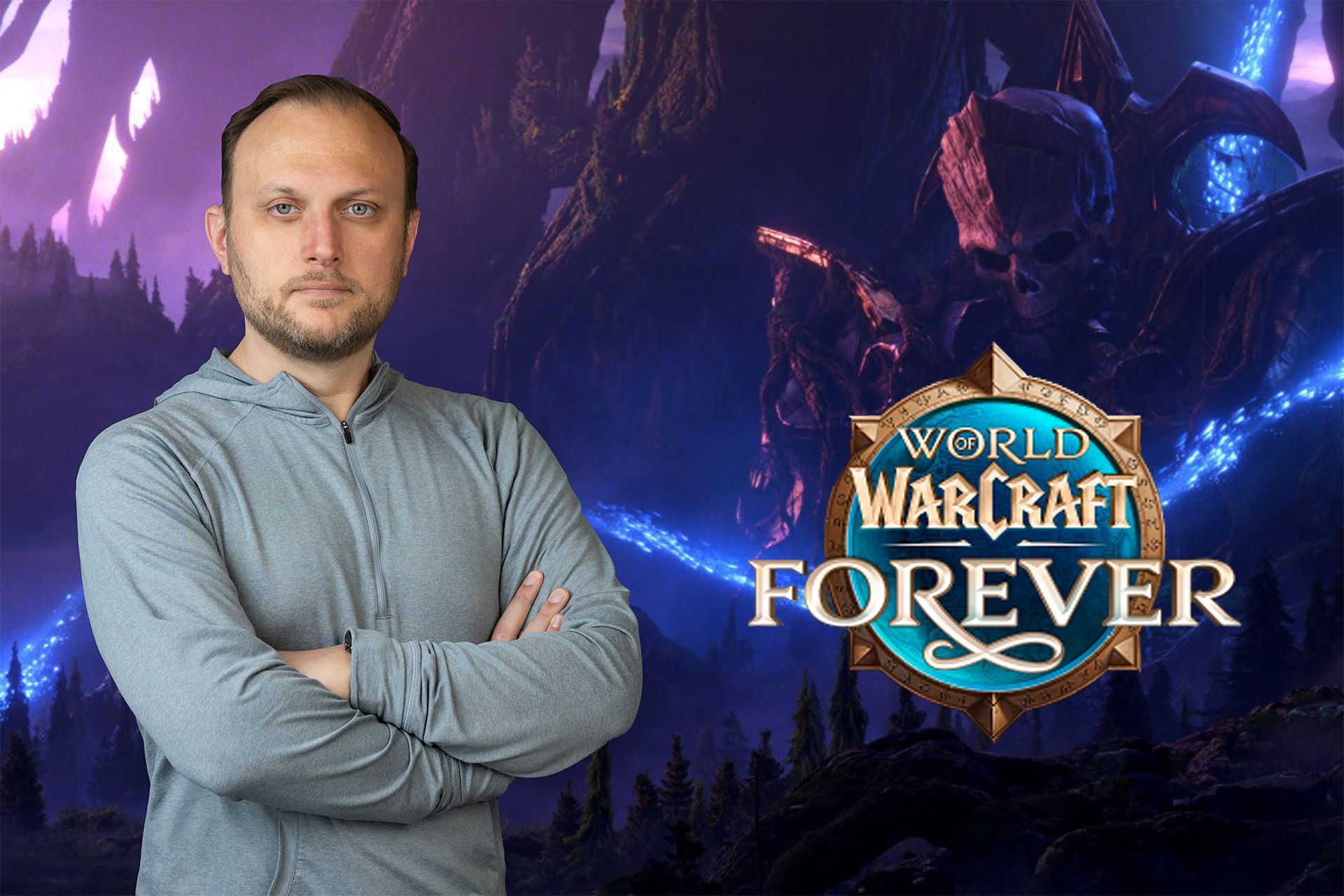
Blizzard Unveils World of Warcraft: Forever, Aiming for the Perfect MMORPG Balance
At BlizzCon 2026, Blizzard Entertainment dropped a major announcement that sent ripples through the gaming community: the forthcoming release of World of Warcraft: Forever. This new iteration promises a deep dive into the past, offering players a chance to experience the classic era of Azeroth while simultaneously introducing fresh content, refined visuals, and updated class balancing. It’s a clear signal that the future of the franchise is going to be a fascinating blend of nostalgia and innovation.
The core philosophy behind World of Warcraft: Forever is beautifully simple: the future of the game lies in the past. By drawing inspiration from the Classic era—think Vanilla and Burning Crusade—Blizzard aims to deliver an experience grounded in strong historical design, emphasizing community building over purely automated systems. It positions WoW: Forever not just as an expansion, but as a crucial third pillar alongside the existing Retail and Classic experiences.
World of Warcraft Game Director Ion Hazzikostas shared insights into this direction, emphasizing that while the game will maintain the philosophical roots of Classic, it is designed to be a truly new adventure. This means embracing more “crunchy” systems and prioritizing community interaction, moving away from systems that can feel overly streamlined. Hazzikostas stressed that the new experience will offer new storylines and open-ended possibilities, allowing everyone to start at the beginning and build something truly unique.
One of the most compelling discussions revolved around the tension between the Classic experience and the modern Retail game. When considering the social fabric of WoW, Hazzikostas acknowledged that the friction—the lack of automatic matchmaking—is what lends itself to genuine social connections. While modern convenience has made the game easier, the classic design inherently fosters deeper social bonds. This inherent trade-off highlights a broader theme: a world devoid of threats or excitement is missing something, and all versions of WoW should offer that depth.
Blizzard is navigating the tricky waters of community fragmentation. As the modern game focuses on convenience, there is a risk of splintering communities. However, the team is actively working to ensure that both the Retail and Forever experiences thrive. The goal is not to demand that modern games adopt the pace of the past, but rather to find ways to inject more immersion and purpose into the current landscape. Experiments like the Heroic World Tier in Remix suggest a willingness to introduce more challenge and reward into the modern experience.
The history of Azeroth, marked by the deep enmity between the Horde and the Alliance, remains central. While recent expansions have de-emphasized this conflict in favor of a neutral storyline, Blizzard intends to preserve the deep history of faction identity. The narrative acknowledges the need for cooperation, remembering that even in the face of world-ending threats, former enemies once found common ground. This historical weight ensures that the dramatic conflict remains a living part of the world, whether players are engaging with Classic or Retail.
Ultimately, World of Warcraft: Forever signals an exciting path forward. It offers players a chance to reconnect with the game’s roots while pushing the boundaries of what an MMORPG can be. As players await the November launch, the focus remains on how Blizzard will successfully merge historical depth with modern innovation, creating a legacy that is both nostalgic and compelling for years to come.
Buy on Amazon
Credit