Xbox Ally X: Is it worth $1000 a year
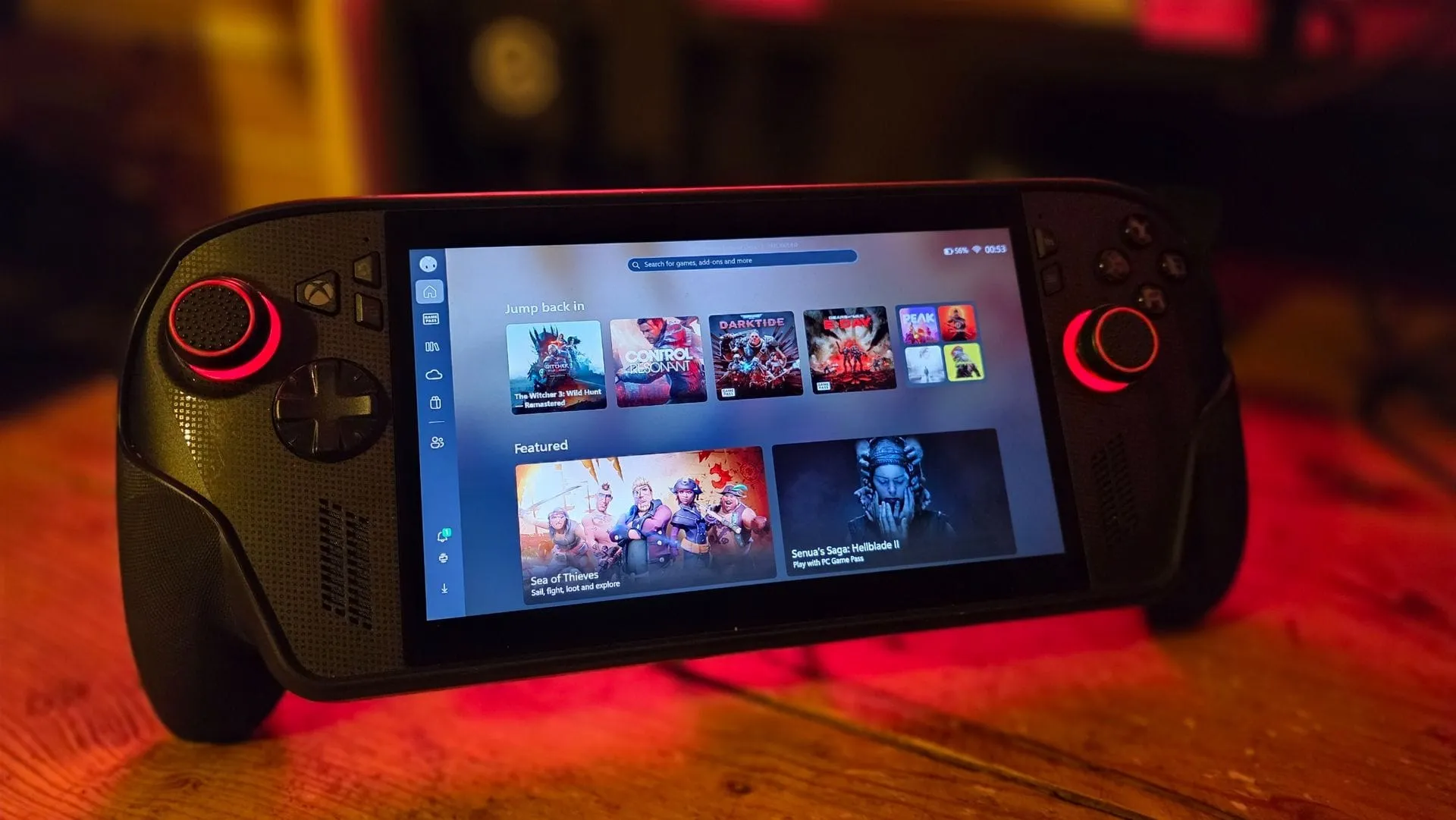
A year has passed since the launch of the Xbox Ally X, and it’s time for a thorough re-evaluation. As one of the few content creators who uses this handheld almost daily, I’ve spent the last twelve months pushing the limits of the device to answer the burning question for the Xbox ecosystem users: is the Xbox Ally X still worth the hype?
The journey of this handheld has been defined by performance, battery life, and the often-tricky relationship between powerful hardware and a demanding operating system. We delve into how the experience stacks up now, focusing on major updates and the tangible results you can expect today.
One of the most significant developments is the integration of FSR 4.1. This technology is more than just a graphical tweak; it’s a killer feature that fundamentally enhances the visual experience on the Xbox Ally X. FSR 4.1 allows users to run quality modes that were previously too blurry or visually unappealing, offering massive image quality boosts without sacrificing necessary performance. Games like Warhammer 40K Darktide and Control Resonant benefit immensely, providing crisp and smooth visuals while maintaining playable frame rates.
Under the hood, the Ally X sports the powerful Z2 Extreme chipset from AMD, further boosted by FSR 4.1. When running in Performance or Turbo modes, users can easily achieve 40 to 60 FPS at 1080p for most titles out of the box. For graphically intensive games, FSR 4.1 ensures that performance mode offers visuals as crisp as quality mode on older FSR 3 models. While some heavy ray-traced titles still present challenges, the combination of these technologies demonstrates the potential for extending the lifespan of compatible devices significantly.
The hardware itself has proven remarkably solid, holding up well under regular use. However, a year of intensive use brings up a few points of contention. While the core components are reliable, some users have noted quality issues with the thumbsticks, which prompts a reminder that even top-tier hardware requires careful component manufacturing. Furthermore, the battery life remains a mixed bag. While Battery Care mode helps preserve the cell’s health, fully charged operation varies based on power settings; expect roughly 4 to 5 hours in silent 13W mode for 2D games, and perhaps 2 to 3 hours in more intensive 17W performance mode.
The operating system experience, however, is where the most mixed results appear. While the Xbox and Windows teams are actively working on improvements, the overall software experience still feels like a work in progress. Docked setups often present navigation challenges, and basic Windows functionality still requires a mouse for optimal control. Yet, the promise of future updates is clear, with Microsoft shipping major improvements to the Xbox PC app and ongoing refinements to Windows 11 itself.
Despite some software growing pains, the device absolutely sings when you are immersed in a game. In Turbo mode at 35W, the Ally X delivers a satisfying 1080p 30-ish experience in AAA titles, especially when FSR 4.1 is utilized. For games that are well-optimized for handhelds, such as The Witcher 3 Enhanced Edition, the experience is stunning. For those prioritizing longevity and versatility, the Xbox Ally X remains a fantastic companion, offering a strong blend of portable gaming, productivity, and entertainment. It’s a device that truly shines when you engage with it.
Buy on Amazon
Credit
