Xbox Cloud Gaming is no longer the future
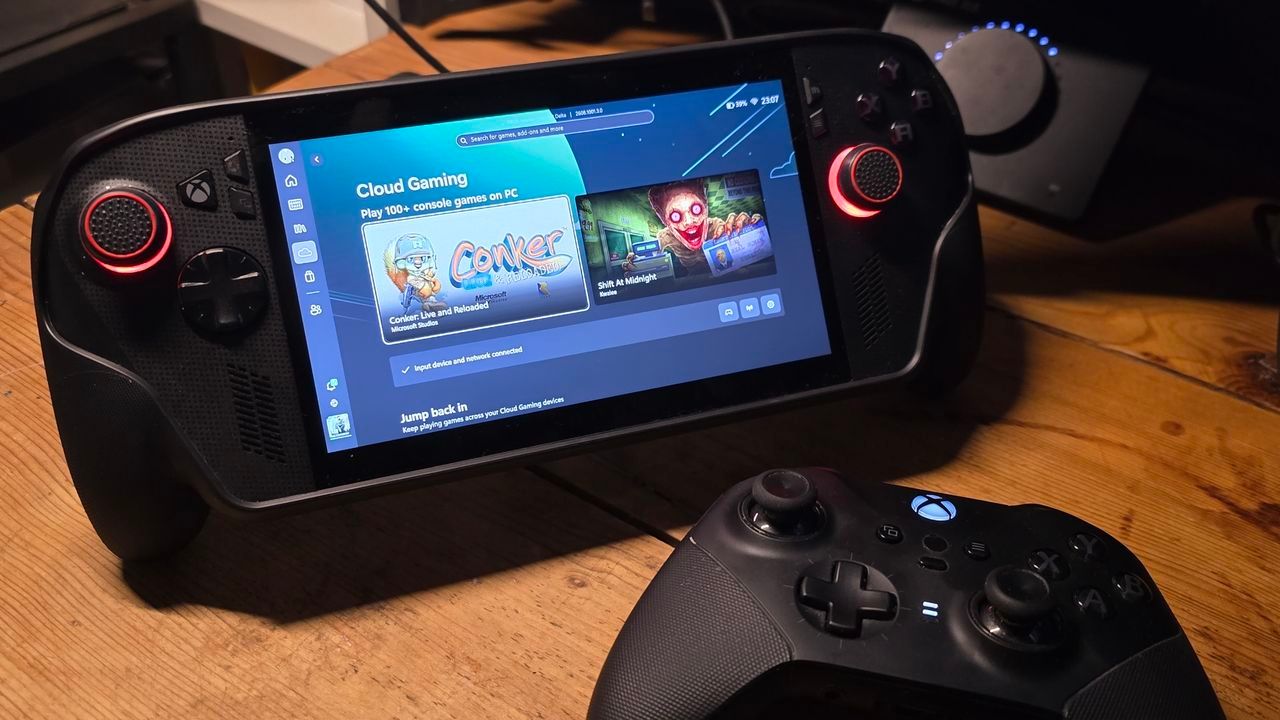
The Cloud Gaming Reckoning: Why Xbox is Putting a Cap on the Fun
The era of truly unlimited cloud gaming access is officially coming to an end. Microsoft is preparing to introduce hourly limits on Xbox Cloud Gaming, marking a significant climbdown from the “unlimited” access that the service once offered. Starting in November 2026, users will face restrictions, with Xbox Game Pass Ultimate players hitting a 15-hour cap, Premium users getting a 10-hour limit, and Essential subscribers receiving a 5-hour restriction.
This move is more than just a tweak; it’s an indictment of the original business model. Faced with mounting pressure and evolving economic realities, Microsoft appears to be admitting that the previous expansive access strategy was unsustainable, forcing a reckoning with the true cost of running a massive cloud gaming service.
While Microsoft estimates these changes will affect about 4% of Xbox Game Pass subscribers—still a massive number of players—the real story is how these limitations position Xbox Cloud Gaming against more robust competitors. The reaction from the fanbase has been predictably mixed, signaling widespread derision over the new caps.
A Stronger Challenger Emerges
The pressure is amplified by the emergence of rivals that offer superior value and performance. NVIDIA GeForce Now has already taken the lead, implementing hourly limits a few months ago. Crucially, GeForce Now offers far more generous allowances, providing up to 100 hours per session with rollover options. Beyond the time limits, GeForce Now provides a generally higher-quality experience, boasting better bitrates, lower latency, and enhanced stability.
This quality gap is stark. While Xbox Game Pass delivered a console-like interface, the superior technical performance of competitors like GeForce Now—especially for users who already own games purchased on platforms like Steam—presents a compelling alternative. The fundamental question remains: will 15 hours be enough to complete even a single sprawling game, or will users be forced to spread their sessions across months?
The Cost of the Cloud
The economic hurdles behind these decisions are equally telling. The business model for cloud gaming is proving difficult to sustain, particularly when factoring in the massive compute demands of the AI revolution. Reports suggest that when servers are utilized beyond the limited hourly caps, the service is effectively losing money. This economic strain is compounded by the broader reality of the RAMpocalypse, where immense computational power is now increasingly tied up in AI workloads.
Microsoft’s recent organizational restructuring suggests a clear pivot toward finding more profitable avenues. The goal seems to be ensuring that the immense computational infrastructure is utilized in ways that generate better accountability, rather than simply being a free-for-all. The cloud gaming model, in this new reality, simply doesn’t appear to be an easy win.
Remote Play and the Hardware Dilemma
The issues extend beyond the cloud itself and into the local experience. Xbox Remote Play, intended as a seamless way to stream games from your console, suffers from an inexplicable limitation: it is inexplicably locked to 1080p resolution. This creates a confusing dichotomy where the high-quality Xbox Cloud Gaming experience operates at 1440p with higher bitrates, while local streaming is restricted to older standards.
For cloud-first gamers who rely on devices like the Xbox Ally or Logitech G Cloud, this disparity highlights a systemic issue. If the quality of the streaming experience remains inconsistent, and if the high cost of hardware makes upgrades difficult, the value proposition for cloud gaming inevitably shrinks. The move toward restricting cloud access suggests that Microsoft may not see a compelling long-term future for this specific service, or perhaps the AI focus is simply eclipsing its potential.
Buy on Amazon
Credit