Xbox console leaps what’s next
The Evolution of Xbox: A Journey Through Gaming Hardware
As the Xbox celebrates its 25th anniversary, it’s easy to look back and marvel at the sheer distance technology has traveled. What began as a singular gaming machine has evolved into a sprawling technological ecosystem, proving that innovation doesn’t just happen in games—it happens in the hardware itself.
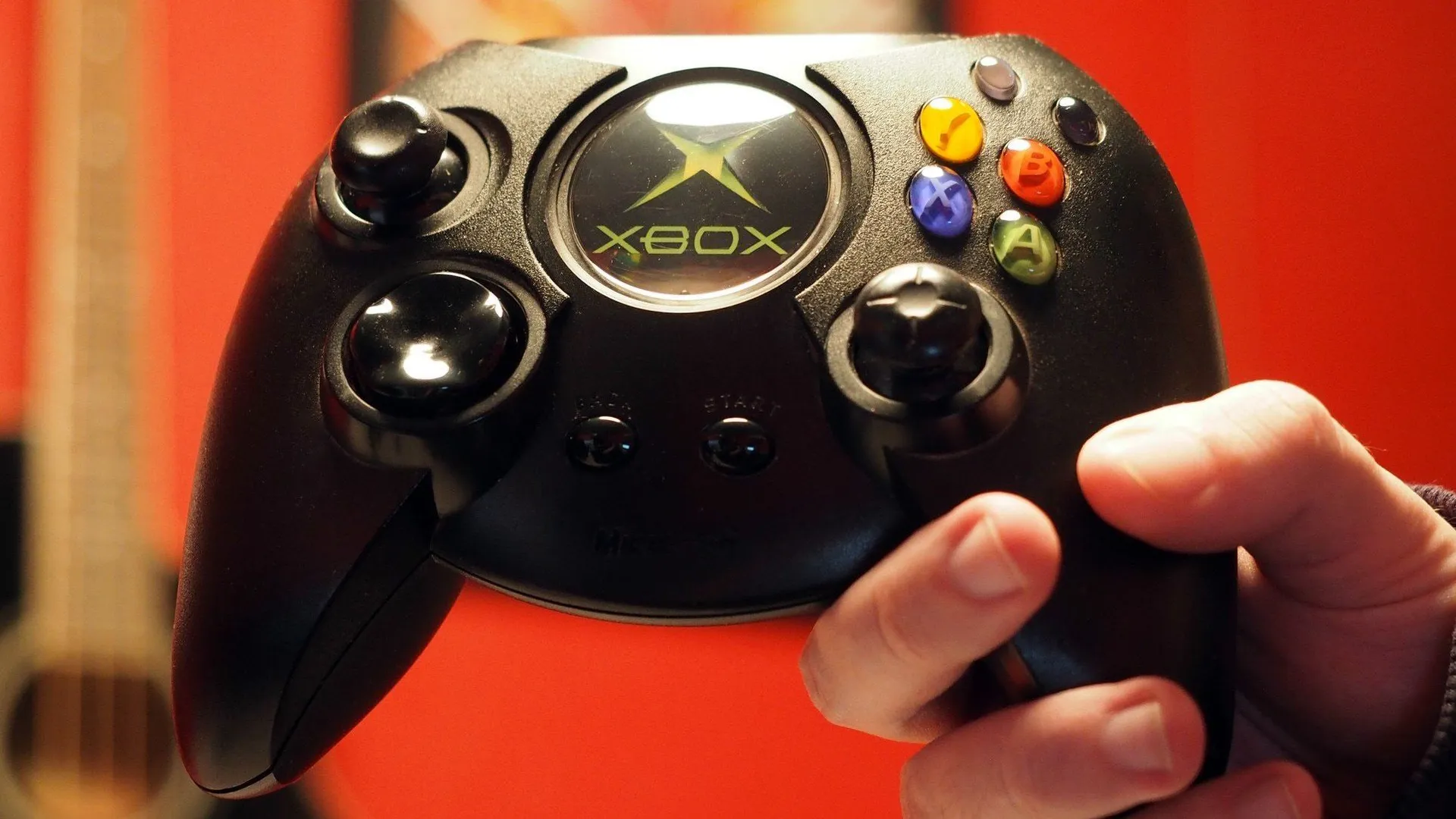
The journey began in 2001 with the original Xbox. It was a console that felt almost comically oversized, a beautiful reflection of its time, packing in components that felt more like a mid-to-high-tier desktop PC of the era. It set the initial stage, proving that Microsoft could build something compelling, even if it meant wrestling with the limitations of early architecture.
The next major leap came with the Xbox 360 in 2005. This generation marked a dramatic pivot. Instead of sticking to traditional PC architecture, Microsoft embraced a 64-bit PowerPC-based CPU, delivering a massive jump in processing power. This console introduced the concept of unified memory and a powerful GPU, moving beyond mere console gaming and into a new realm of true hardware innovation.
As technology matured, the concept of the console began to blend seamlessly with the PC world. The Xbox One arrived in 2013, embracing an all-in-one entertainment unit approach. This console made the shift toward x86-64 instructions, adopting an AMD Jaguar CPU and laying the groundwork for the future of console design. It was a pivot point, successfully merging gaming aesthetics with the versatility of PC components.
This transition led to the emergence of the APU concept—a powerful chip combining the CPU and GPU. The console landscape shifted into the modern era with the Xbox Series X in 2020. Representing the pinnacle of current generation design, the Series X boasts the power of the AMD Zen 2 CPU and the RDNA 2 GPU, paired with a substantial 16 GB of GDDR6 RAM and a lightning-fast 1 TB SSD. It is a stark, beautiful representation of what high-performance gaming hardware can achieve.
Looking ahead, the focus is firmly set on pushing visual fidelity. The next generation, codenamed Project Helix, is slated to be powered by a custom AMD System on a Chip (SoC), focusing intensely on advanced features like ray tracing and artificial intelligence. Technologies like AMD’s FidelityFX Super Resolution (FSR) are already making waves, promising sharper visuals across the board, regardless of hardware limitations.
Yet, this technological ascent comes with a clear challenge: the ongoing memory crisis. The pursuit of higher-end performance is intrinsically linked to the cost of components, pushing up prices for everything from components to final retail consoles. The big question remains: as the next generation pushes boundaries with custom chips and advanced rendering, will the cost remain manageable for the consumer?
Buy on Amazon
Credit
