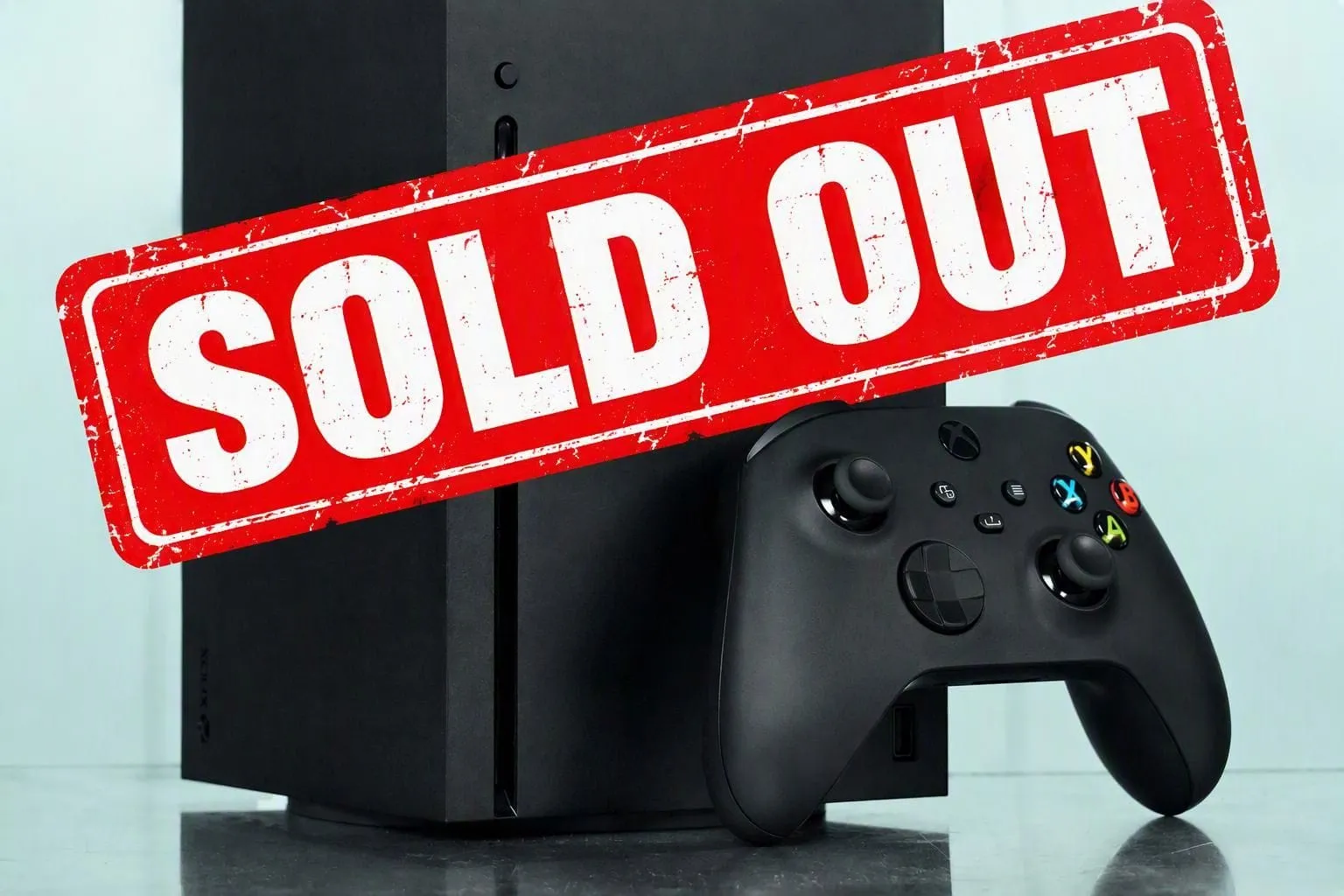
Xbox desperate trade-in plea for limited stock
The AI Crunch: How the RAMpocalypse is Rewriting the Rules for Console Gamers
The console world is currently experiencing an unexpected economic squeeze, caught in the crosshairs of a massive technological shift. While gamers are ready for the next big title, the hardware market is reeling from what some are dubbing the RAMpocalypse, and major players like Xbox are certainly feeling the pinch.
This scarcity isn’t a glitch; it’s a direct consequence of the booming Artificial Intelligence sector. Companies like Google, OpenAI, Anthropic, and Microsoft are aggressively consuming vast amounts of RAM to fuel their AI ambitions, leaving significantly less available for traditional consumer electronics. The result is a paradoxical situation: despite a rich supply of high-quality games, the market is battling severe hardware shortages.
This crunch has translated directly into higher prices. Console hardware, including Xbox, PlayStation, and Nintendo systems, has been pushed to some of their highest levels ever. For many consumers, the ability to upgrade or enter the gaming hobby has become significantly more expensive.
The timing is particularly frustrating, given the upcoming release of major titles like Grand Theft Auto 6, which is set to launch in just a month. This launch could have served as a major catalyst for upgrades, but global stock levels and inflated prices make the journey to new hardware much more complicated.
In response to this market instability, Microsoft is employing a creative strategy to boost availability. Instead of simply waiting for supply chains to catch up, the company is actively engaging dormant users. They are sending out emails to owners of unused Xbox Series X|S hardware, encouraging them to trade them in. This initiative aims to free up inventory and provide desperately needed devices to other enthusiasts.
This approach highlights a harsh economic reality: the margins on console hardware are razor-thin, and the low stock availability means that possessing dormant systems often represents a net loss for the big three. By facilitating trade-ins, Microsoft is attempting to steer existing assets toward more active players who are more likely to become spenders.
The global situation remains precarious. While core markets like the US, UK, and Canada maintain a relatively stable supply of new Xbox hardware, availability has been nearly non-existent across Asia, the Middle East, and South America. Analysts predict this scarcity won’t end soon, suggesting that the impact of the RAMpocalypse could persist well into 2028 or 2029, with consumer electronics facing ongoing pressure from the AI buildout.
Buy on Amazon
Credit
