Xbox hijacks your background for CoD MW4 ads
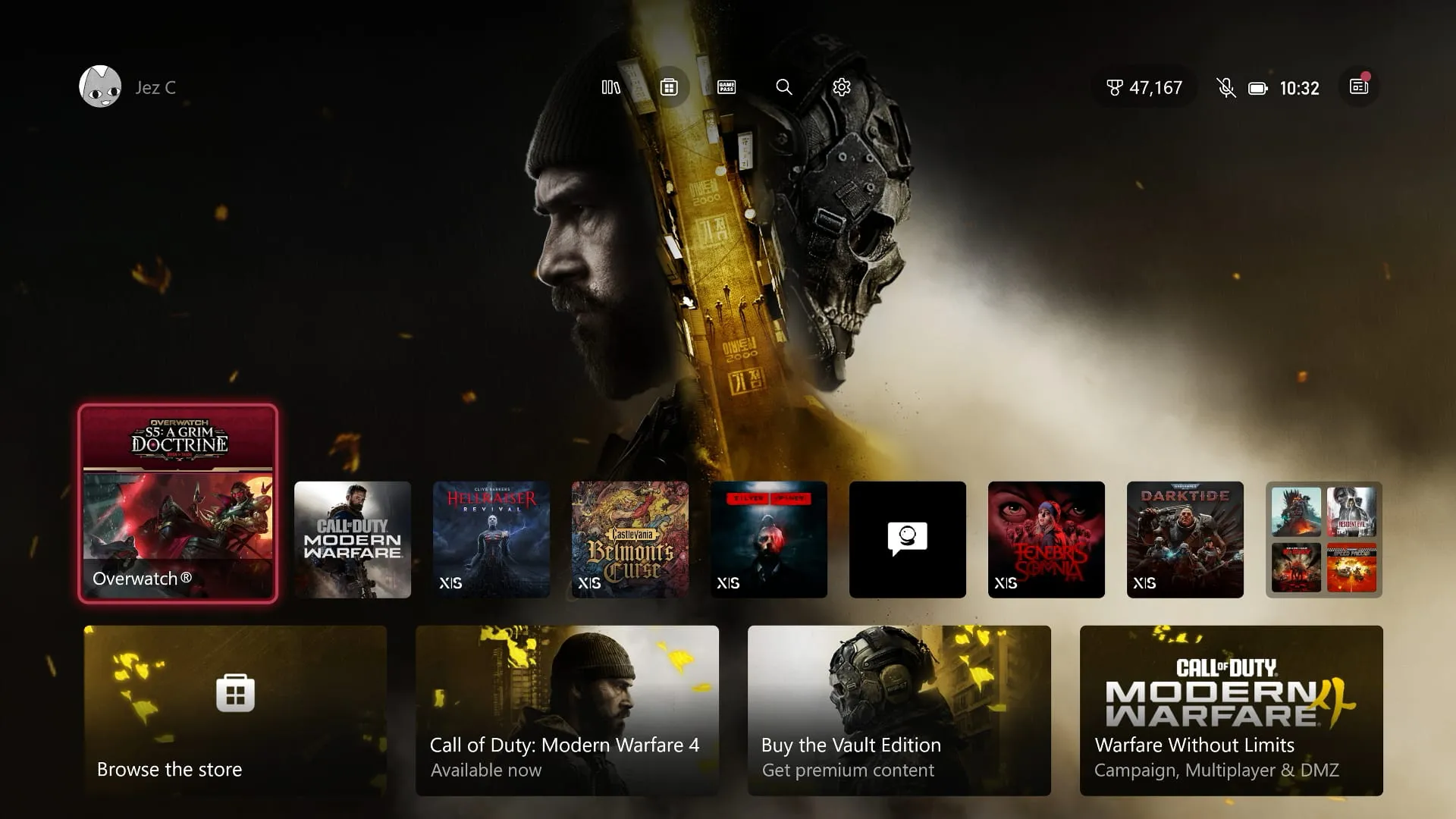
The anticipation surrounding Call of Duty: Modern Warfare 4 has generated massive hype, with some critics hailing the campaign as potentially the best of the decade. Yet, amidst this cinematic excitement, the marketing strategy deployed by Xbox feels less like a celebration and more like an aggressive, mildly irritating roadblock.
While the game itself is delivering high-quality content, the surrounding promotional campaign earns a stern 0/10 from this observer. The barrage of advertisements, while intended to drive engagement, has turned what should be an exciting launch into a frustrating experience.
This annoyance is not isolated to the game itself; it’s a symptom of a larger tension between corporate interests and consumer experience. For many, the experience of owning a product increasingly feels less like true ownership and more like licensing a temporary viewing window. This theme echoes across the industry, from the reluctance of some players to truly own physical games to the debates over hardware repairability and subscription models.
This digital ownership debate is directly reflected in the Microsoft ecosystem. Even for Xbox fans, the experience of the console is subject to constant reminders of corporate presence. For instance, recent updates have introduced persistent, themed advertisements and background elements on the dashboard, effectively turning the console into a constant promotional billboard.
The shift is particularly jarring when a major game like Call of Duty: Modern Warfare 4 seems to be leveraged to prop up the Xbox’s financial interests. The frustration escalates when the platform itself imposes visual changes, such as forcing a specific color theme, which feels less like personalization and more like corporate mandate.
This feeling of being visually hijacked extends beyond the dashboard. It brings into sharp focus the broader fight for digital rights. If purchasing a game grants a license rather than outright ownership, where does the line blur between consumer rights and corporate control? This dynamic is mirrored in other tech sectors, where companies push for rental models and restrict access to existing hardware.
Ultimately, the irritation over the dashboard ads and background themes is a microcosm of a wider trend. It asks us whether we are truly the owners of the digital assets we consume, or merely tenants in a landscape aggressively managed by large technology corporations. While some elements of this visual experience are temporary and can be disabled, the underlying question of who controls our digital spaces remains powerfully relevant.
Buy on Amazon
Credit
