Xbox hiring strategist will Helix get physical discs
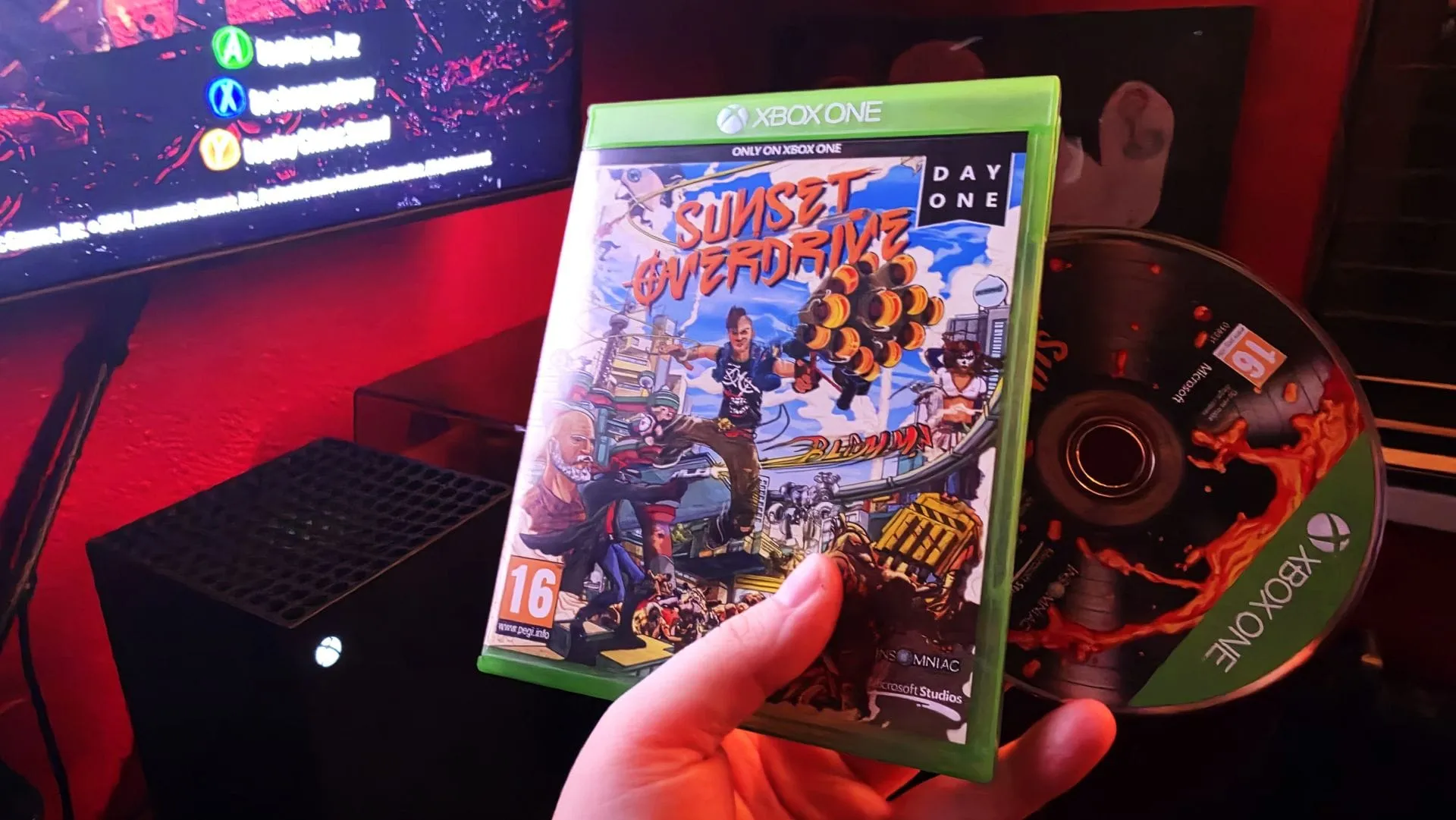
The gaming world is currently in a fascinating state of flux. While the digital realm reigns supreme, a persistent tension exists between the convenience of digital access and the deep-seated human desire for tangible ownership. This dynamic tension is playing out across the industry, prompting major shifts from giants like Microsoft and Sony.
On the one hand, the tide is firmly digital. Services like Xbox Game Pass have redefined how gamers consume content, offering hundreds of titles for a low monthly fee. The success of platforms like Steam has further cemented digital sales, cloud saves, and community features as the new gold standard. This digital-first approach has created an unstoppable momentum, pushing the industry toward an entirely digital future.
But the history of gaming is rich with physical media. For years, the tactile experience of discs and physical collections represented a core part of the hobby. Recently, this tradition has faced serious challenges. Sony signaled a definitive move away from physical PlayStation discs, and the supply chain for Blu-ray drives is rapidly pivoting to other industries. The physical disc era, as we knew it, is clearly drawing to a close.
Yet, amidst this digital pivot, a new opportunity is emerging. Microsoft, however, seems poised to explore the fascinating possibility of carving out a unique middle ground. While the majority prefers digital, the core gaming audience—the dedicated hobbyists who drive the market—still crave the retail presence, the physicality, and the sense of ownership that physical media offers.
This potential is hinted at by a new job vacancy at Microsoft: the Xbox Games Supply Strategist. This role is focused on managing the launch of physical Xbox game releases, overseeing global distribution, and planning retail channel operations. It signals that Microsoft is looking to manage the logistics of physical games, suggesting a strategy to ensure that physical editions remain viable, even if they are not the primary focus.
The question remains: how does Microsoft reconcile this strategic focus with the overwhelming digital preference? Could they find an alternative format? The trend in the market suggests exploring creative solutions. Think of Nintendo’s successful use of SD cartridges for game delivery or the integration of game licenses into physical collectibles. Perhaps the future of physical gaming won’t be about traditional discs, but about new mediums like cartridges, NFC chips, or integrated physical experiences.
Microsoft may be exploring concepts like Xbox Helix to deliver games in a new physical format. Whether this involves reviving disc technology, embracing cartridge-style delivery, or introducing unique physical collectibles, the key is finding a way to satisfy the passionate fanbase. The ultimate play will depend on how Microsoft navigates the digital tsunami while tapping into the enduring appeal of tangible ownership.
Buy on Amazon
Credit
