A massive restructuring wave recently swept through Microsoft, resulting in 4,800 layoffs. While the scope was vast, a significant portion of these cuts specifically targeted the Xbox business, with approximately 3,200 roles affected in a strategic effort to reset the gaming division.
This shift has sent ripples through the industry, affecting countless game developers and creative teams. But at the heart of this change is a profound reflection on the innovations that defined the platform—especially for dedicated Xbox enthusiasts. The story of how legacy and cutting-edge technology intersect with corporate strategy provides a compelling look at what happens when a giant like Microsoft redefines its future.
At the center of this narrative is Kevin LaChapelle, a figure whose tenure at the company spanned 37 years. LaChapelle was not just an executive; he was instrumental in building the very foundation of Xbox’s revolutionary compatibility features and streaming services.
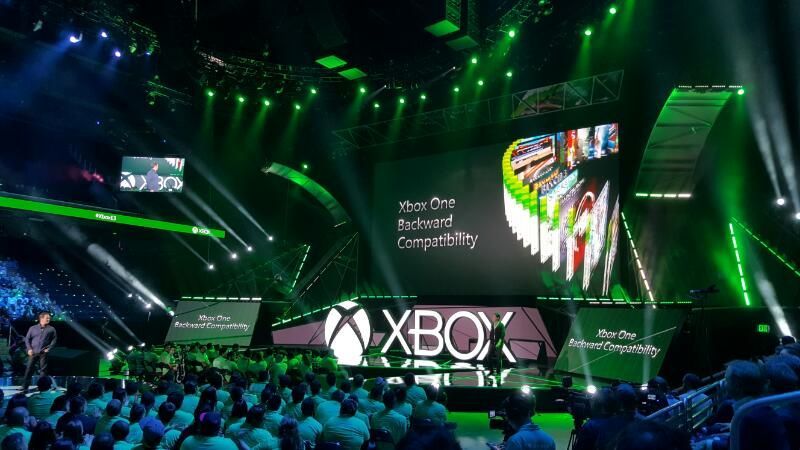
His work on the Xbox Backwards Compatibility Program stands out as a monumental achievement for gamers. Unveiled back in 2015, this program allowed players to enjoy hundreds of titles from the original Xbox and Xbox 360 systems directly on the Xbox One and Xbox Series X|S consoles. This feature wasn’t just a technical novelty; it was a massive win for fans, ensuring that generations of gaming history remained accessible and playable on the newest hardware.
This system demonstrated an early commitment to user experience and backward compatibility, giving the Xbox platform a distinct advantage at a time when competitors were still grappling with complex cross-platform challenges. The ability to seamlessly bridge old and new games solidified Xbox’s reputation as a console that respected its entire gaming lineage.
Beyond backward compatibility, LaChapelle was also key in developing the Xbox Cloud Gaming service, previously known as xCloud. This initiative reflected an understanding that entertainment should be streamed wherever the user is, pushing Microsoft toward a future where game access is defined by convenience rather than physical ownership.
Today, the focus shifts to how this legacy will evolve. The Backwards Compatibility Program is being revived, and speculation suggests it is set to undergo a significant overhaul, potentially integrating with Microsoft’s vision for Project Helix—a proposed PC-console hybrid system. This evolution promises to further blur the lines between gaming platforms, creating an even more seamless experience for users.
For those who contributed to these pioneering systems, the recent corporate changes bring a poignant sense of closure. LaChapelle reflected on his time leading teams that delivered game-changing features, acknowledging the incredible reaction the public gave when the backward compatibility program was announced years ago. His focus remains on the future of Xbox and the success of the teams he led.
Ultimately, the story is a reminder that while corporate strategy constantly shifts, the engineering brilliance that defines a platform endures. The future of gaming will likely be built upon the successful blending of history and innovation, ensuring that the rich legacy of systems like Xbox continues to evolve for years to come.
Buy on Amazon
Credit: Windows Central
