Xbox’s hard choices and building new IP
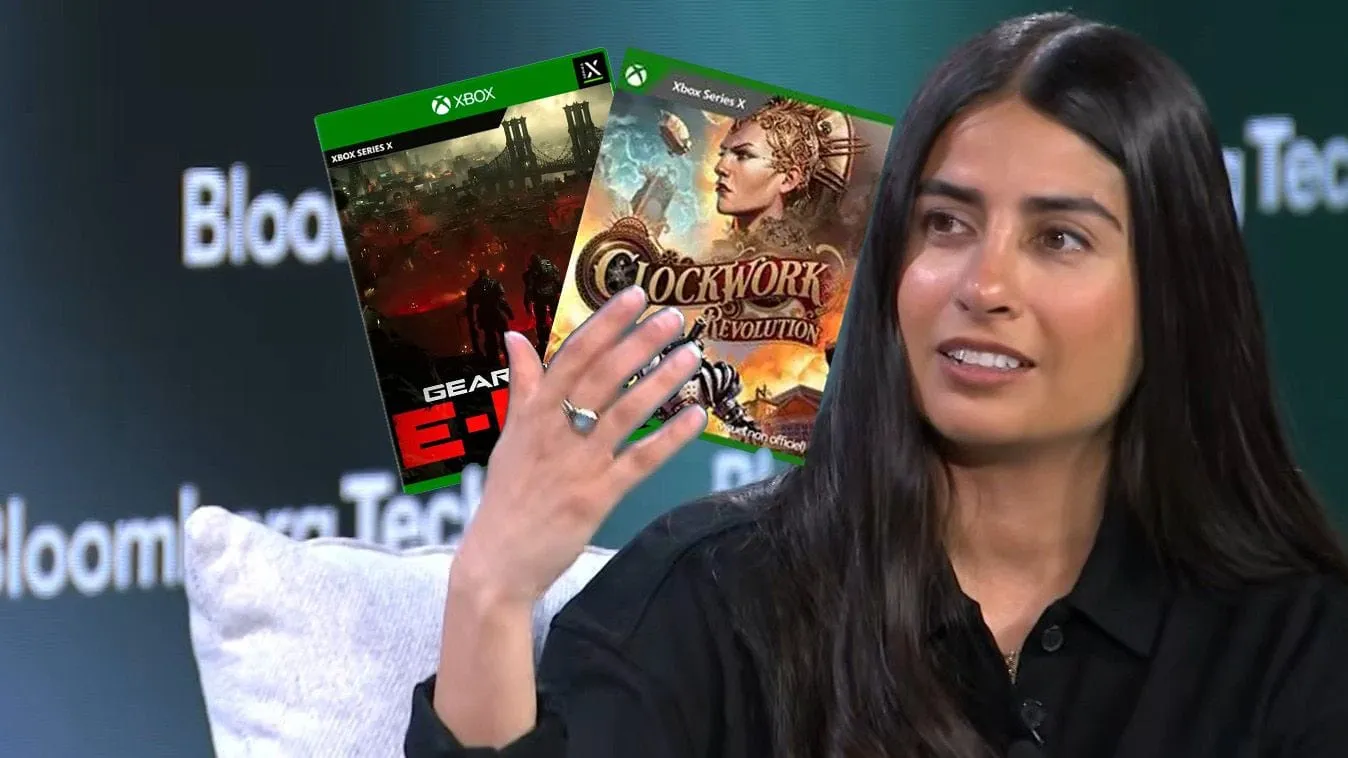
The gaming world is currently watching Xbox navigate a significant period of corporate overhaul, a summer marked by strategic cuts and divestitures that have left fans buzzing about the future of the platform. Amidst the restructuring, the focus has shifted from pure expansion to a calculated concentration on the franchises that truly define the Xbox experience.
At the helm, CEO Asha Sharma has articulated a clear vision for the future of Xbox content, emphasizing a commitment to its strongest IPs. This strategic pivot involves backing the most visible franchises—such as Fallout, Call of Duty, and World of Warcraft—while simultaneously pushing for the creation of enduring new intellectual property.
This shift has come with some dramatic realignments. Some of Xbox‘s more eclectic studios, including Ninja Theory, Double Fine, and Compulsion, have either been spun off or closed down. While these creative endeavors didn’t yield massive financial successes, they were recognized for their award-winning creativity and unique vision.
Sharma’s philosophy is rooted in this balance, stressing that the goal is not merely to revive past victories, but to invent the future. “We will not survive if we only revive on the past,” she stated, calling for a courage to invent new IP that reaches new audiences.
This focus on innovation is already showing signs of fruit. Projects like InXile Entertainment’s upcoming Clockwork Revolution are poised to become one of Xbox‘s most unique new franchises, slated for exclusive release on the Xbox Series X|S next year.
Beyond major titles, the strategy also involves tapping into growth areas. Sharma has highlighted opportunities to expand the appeal of the casual gaming segment, noting how titles like Monopoly Go and Block Blast demonstrate untapped potential. Furthermore, the company is exploring new avenues for revenue, including Xbox’s new XP entertainment licensing division, which involves extending content rights from games to movies, television, merchandising, and even theme parks.
The decision to emphasize exclusivity has already yielded positive results, with users returning to the platform for major exclusive titles like Gears of War: E-Day and Forza Horizon 6. However, sustaining growth requires more than just relying on past success; it demands continuous invention.
The broader context of the industry is challenging. The push for cost reduction, fueled by issues like component costs and the ongoing impact of AI, means that the path to growth is more complex than ever. Finding new user cohorts and managing the micro-spend in service games remain critical challenges.
Ultimately, the challenge for Xbox is enormous: to leverage its existing strength while successfully launching new, globally compelling franchises. Whether the next major leap in growth comes from doubling down on established giants or finding entirely new creative territory remains to be seen.
Buy on Amazon
Credit
